0
0
0
Rural Health Care Access Act of 2023
12/21/2024, 9:05 AM
Summary of Bill HR 1128
Bill 118 HR 1128, also known as the Rural Health Care Access Act of 2023, aims to address the challenges faced by rural communities in accessing quality healthcare services. The bill recognizes that rural areas often have limited healthcare resources and face barriers such as provider shortages, lack of infrastructure, and financial constraints.
The key provisions of the bill include:
1. Increasing funding for rural health programs: The bill allocates additional funding to support rural health clinics, critical access hospitals, and other healthcare facilities in rural areas. This funding will help these facilities improve their infrastructure, expand services, and recruit and retain healthcare providers. 2. Expanding telehealth services: The bill promotes the use of telehealth technology to increase access to healthcare services in rural areas. It provides funding for the development and implementation of telehealth programs, as well as reimbursement for telehealth services provided to rural patients. 3. Addressing provider shortages: The bill includes provisions to incentivize healthcare providers to practice in rural areas, such as loan repayment programs, scholarships, and grants for medical students and professionals who commit to serving in rural communities. 4. Improving healthcare coordination: The bill encourages collaboration among healthcare providers, hospitals, and other stakeholders in rural areas to improve care coordination and ensure that patients receive comprehensive and timely healthcare services. Overall, the Rural Health Care Access Act of 2023 aims to improve access to quality healthcare services in rural communities by addressing the unique challenges faced by these areas. By increasing funding, expanding telehealth services, addressing provider shortages, and improving healthcare coordination, the bill seeks to ensure that all Americans, regardless of where they live, have access to the healthcare services they need.
The key provisions of the bill include:
1. Increasing funding for rural health programs: The bill allocates additional funding to support rural health clinics, critical access hospitals, and other healthcare facilities in rural areas. This funding will help these facilities improve their infrastructure, expand services, and recruit and retain healthcare providers. 2. Expanding telehealth services: The bill promotes the use of telehealth technology to increase access to healthcare services in rural areas. It provides funding for the development and implementation of telehealth programs, as well as reimbursement for telehealth services provided to rural patients. 3. Addressing provider shortages: The bill includes provisions to incentivize healthcare providers to practice in rural areas, such as loan repayment programs, scholarships, and grants for medical students and professionals who commit to serving in rural communities. 4. Improving healthcare coordination: The bill encourages collaboration among healthcare providers, hospitals, and other stakeholders in rural areas to improve care coordination and ensure that patients receive comprehensive and timely healthcare services. Overall, the Rural Health Care Access Act of 2023 aims to improve access to quality healthcare services in rural communities by addressing the unique challenges faced by these areas. By increasing funding, expanding telehealth services, addressing provider shortages, and improving healthcare coordination, the bill seeks to ensure that all Americans, regardless of where they live, have access to the healthcare services they need.
Congressional Summary of HR 1128
Rural Health Care Access Act of 2023
This bill eliminates certain criteria that hospitals must meet in order to qualify as critical access hospitals that receive special payment under Medicare.
Specifically, the bill eliminates the requirement that a hospital must either (1) be located more than 35 miles (15 miles in mountainous regions or areas with only secondary roads) from another hospital, or (2) have been certified prior to January 1, 2006, by the state as a necessary provider of services in the area.
Read the Full Bill
Current Status of Bill HR 1128
Bill HR 1128 is currently in the status of Bill Introduced since February 21, 2023. Bill HR 1128 was introduced during Congress 118 and was introduced to the House on February 21, 2023. Bill HR 1128's most recent activity was Referred to the Subcommittee on Health. as of December 17, 2024
Bipartisan Support of Bill HR 1128
Total Number of Sponsors
2Democrat Sponsors
0Republican Sponsors
2Unaffiliated Sponsors
0Total Number of Cosponsors
8Democrat Cosponsors
0Republican Cosponsors
8Unaffiliated Cosponsors
0Policy Area and Potential Impact of Bill HR 1128
Primary Policy Focus
HealthPotential Impact Areas
- Health care coverage and access
- Health facilities and institutions
- Health programs administration and funding
- Hospital care
- Medicare
- State and local government operations
- Urban and suburban affairs and development
Alternate Title(s) of Bill HR 1128
Rural Health Care Access Act of 2023
Rural Health Care Access Act of 2023
To amend title XVIII of the Social Security Act to permit States to designate without any mileage limitations facilities that are located in rural areas as critical access hospitals.
Comments
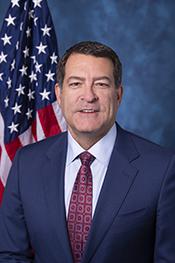
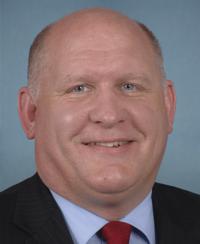
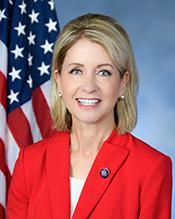
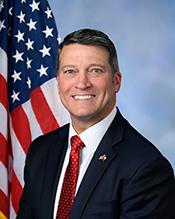
Sponsors and Cosponsors of HR 1128

Latest Bills
TRAPS Act
Bill HR 4936September 18, 2026
Apples to Apples Comparison Act of 2025
Bill HR 4093September 18, 2026
American Lending Fairness Act of 2026
Bill HR 7866September 18, 2026
Civil Investigative Demand Reform Act of 2025
Bill HR 1653September 18, 2026
American Reserve Modernization Act of 2026
Bill HR 8957September 18, 2026
Preventive Health Savings Act
Bill HR 4464September 18, 2026
PEARL Act
Bill HR 9327September 18, 2026
Medically Tailored Home-Delivered Meals Program Pilot Act
Bill HR 5439September 18, 2026
To designate the facility of the United States Postal Service located at 117 West Lovett Street in Charlotte, Michigan, as the "Francis C. Flaherty Post Office Building".
Bill HR 9570September 18, 2026
To designate the facility of the United States Postal Service located at 1019 Avenue H in Fort Madison, Iowa, as the "Martin L. Graber Post Office".
Bill HR 4707September 18, 2026