0
0
0
Medicaid Work Requirements Act
12/15/2023, 3:54 PM
Summary of Bill HR 1079
Bill 118 hr 1079, also known as the Medicaid Work Requirements Act, is a piece of legislation introduced in the US Congress. The main purpose of this bill is to establish work requirements for individuals who are enrolled in the Medicaid program.
Under this bill, states would have the option to implement work requirements for certain Medicaid beneficiaries. These work requirements would mandate that individuals must be employed, actively seeking employment, or participating in job training programs in order to remain eligible for Medicaid benefits.
Proponents of the bill argue that implementing work requirements will encourage individuals to become self-sufficient and reduce dependency on government assistance programs. They believe that requiring individuals to work will help them gain valuable job skills and ultimately improve their financial situation. Opponents of the bill, however, argue that work requirements could result in individuals losing their Medicaid coverage if they are unable to meet the requirements. They argue that this could disproportionately impact low-income individuals and families who may face barriers to employment, such as lack of access to transportation or childcare. Overall, the Medicaid Work Requirements Act is a controversial piece of legislation that seeks to change the eligibility requirements for Medicaid beneficiaries. It is currently being debated in Congress, with supporters and opponents voicing their opinions on the potential impact of the bill.
Under this bill, states would have the option to implement work requirements for certain Medicaid beneficiaries. These work requirements would mandate that individuals must be employed, actively seeking employment, or participating in job training programs in order to remain eligible for Medicaid benefits.
Proponents of the bill argue that implementing work requirements will encourage individuals to become self-sufficient and reduce dependency on government assistance programs. They believe that requiring individuals to work will help them gain valuable job skills and ultimately improve their financial situation. Opponents of the bill, however, argue that work requirements could result in individuals losing their Medicaid coverage if they are unable to meet the requirements. They argue that this could disproportionately impact low-income individuals and families who may face barriers to employment, such as lack of access to transportation or childcare. Overall, the Medicaid Work Requirements Act is a controversial piece of legislation that seeks to change the eligibility requirements for Medicaid beneficiaries. It is currently being debated in Congress, with supporters and opponents voicing their opinions on the potential impact of the bill.
Current Status of Bill HR 1079
Bill HR 1079 is currently in the status of Bill Introduced since February 17, 2023. Bill HR 1079 was introduced during Congress 118 and was introduced to the House on February 17, 2023. Bill HR 1079's most recent activity was Referred to the Subcommittee on Health. as of February 24, 2023
Bipartisan Support of Bill HR 1079
Total Number of Sponsors
1Democrat Sponsors
0Republican Sponsors
1Unaffiliated Sponsors
0Total Number of Cosponsors
0Democrat Cosponsors
0Republican Cosponsors
0Unaffiliated Cosponsors
0Policy Area and Potential Impact of Bill HR 1079
Primary Policy Focus
HealthComments
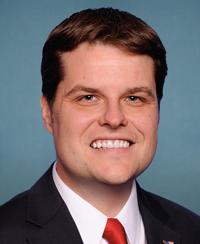
Sponsors and Cosponsors of HR 1079
Latest Bills
TRAPS Act
Bill HR 4936September 18, 2026
Apples to Apples Comparison Act of 2025
Bill HR 4093September 18, 2026
American Lending Fairness Act of 2026
Bill HR 7866September 18, 2026
Civil Investigative Demand Reform Act of 2025
Bill HR 1653September 18, 2026
American Reserve Modernization Act of 2026
Bill HR 8957September 18, 2026
Preventive Health Savings Act
Bill HR 4464September 18, 2026
PEARL Act
Bill HR 9327September 18, 2026
Medically Tailored Home-Delivered Meals Program Pilot Act
Bill HR 5439September 18, 2026
To designate the facility of the United States Postal Service located at 117 West Lovett Street in Charlotte, Michigan, as the "Francis C. Flaherty Post Office Building".
Bill HR 9570September 18, 2026
To designate the facility of the United States Postal Service located at 1019 Avenue H in Fort Madison, Iowa, as the "Martin L. Graber Post Office".
Bill HR 4707September 18, 2026