0
0
0
To abolish the Environmental Protection Agency.
1/1/2025, 9:05 AM
Summary of Bill HR 10549
Bill 118 hr 10549, also known as the "To abolish the Environmental Protection Agency" bill, was introduced in the US Congress with the intention of dismantling the Environmental Protection Agency (EPA). The bill seeks to eliminate the EPA, which is a federal agency responsible for protecting human health and the environment by enforcing regulations on pollution, emissions, and other environmental issues.
If passed, this bill would effectively abolish the EPA and transfer its responsibilities to other federal agencies. Proponents of the bill argue that the EPA is unnecessary and burdensome, and that its functions can be carried out more efficiently by other government entities. They believe that the EPA's regulations stifle economic growth and hinder businesses.
Opponents of the bill, however, argue that the EPA plays a crucial role in safeguarding public health and the environment. They point to the EPA's role in enforcing clean air and water regulations, as well as its efforts to address climate change and protect endangered species. They argue that abolishing the EPA would have detrimental effects on the environment and public health. As of now, the bill is still in the early stages of the legislative process and it is unclear whether it will ultimately be passed into law. It has sparked significant debate and controversy among lawmakers and the public, with strong opinions on both sides of the issue.
If passed, this bill would effectively abolish the EPA and transfer its responsibilities to other federal agencies. Proponents of the bill argue that the EPA is unnecessary and burdensome, and that its functions can be carried out more efficiently by other government entities. They believe that the EPA's regulations stifle economic growth and hinder businesses.
Opponents of the bill, however, argue that the EPA plays a crucial role in safeguarding public health and the environment. They point to the EPA's role in enforcing clean air and water regulations, as well as its efforts to address climate change and protect endangered species. They argue that abolishing the EPA would have detrimental effects on the environment and public health. As of now, the bill is still in the early stages of the legislative process and it is unclear whether it will ultimately be passed into law. It has sparked significant debate and controversy among lawmakers and the public, with strong opinions on both sides of the issue.
Current Status of Bill HR 10549
Bill HR 10549 is currently in the status of Bill Introduced since December 20, 2024. Bill HR 10549 was introduced during Congress 118 and was introduced to the House on December 20, 2024. Bill HR 10549's most recent activity was Referred to the Committee on Energy and Commerce, and in addition to the Committees on Agriculture, Transportation and Infrastructure, and Science, Space, and Technology, for a period to be subsequently determined by the Speaker, in each case for consideration of such provisions as fall within the jurisdiction of the committee concerned. as of December 20, 2024
Bipartisan Support of Bill HR 10549
Total Number of Sponsors
2Democrat Sponsors
0Republican Sponsors
2Unaffiliated Sponsors
0Total Number of Cosponsors
10Democrat Cosponsors
0Republican Cosponsors
10Unaffiliated Cosponsors
0Policy Area and Potential Impact of Bill HR 10549
Primary Policy Focus
Alternate Title(s) of Bill HR 10549
To abolish the Environmental Protection Agency.
To abolish the Environmental Protection Agency.
Comments

Camilo Horn
1,162
1 year ago
I think this bill to get rid of the EPA is a good idea. It will save money and cut red tape. This is what we need to make America great again!
Sponsors and Cosponsors of HR 10549
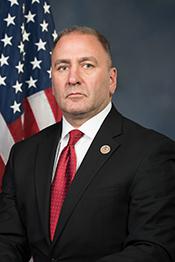
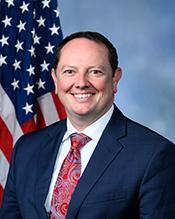
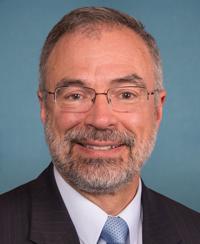

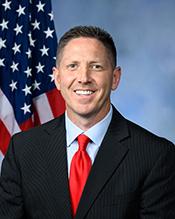

Latest Bills
TRAPS Act
Bill HR 4936September 18, 2026
Apples to Apples Comparison Act of 2025
Bill HR 4093September 18, 2026
American Lending Fairness Act of 2026
Bill HR 7866September 18, 2026
Civil Investigative Demand Reform Act of 2025
Bill HR 1653September 18, 2026
American Reserve Modernization Act of 2026
Bill HR 8957September 18, 2026
Preventive Health Savings Act
Bill HR 4464September 18, 2026
PEARL Act
Bill HR 9327September 18, 2026
Medically Tailored Home-Delivered Meals Program Pilot Act
Bill HR 5439September 18, 2026
To designate the facility of the United States Postal Service located at 117 West Lovett Street in Charlotte, Michigan, as the "Francis C. Flaherty Post Office Building".
Bill HR 9570September 18, 2026
To designate the facility of the United States Postal Service located at 1019 Avenue H in Fort Madison, Iowa, as the "Martin L. Graber Post Office".
Bill HR 4707September 18, 2026