0
0
0
To authorize the Secretary of the Interior to co-locate renewable energy projects on certain existing Federal leased areas, and for other purposes.
12/20/2024, 9:06 AM
Summary of Bill HR 10513
Bill 118 hr 10513, also known as the "Renewable Energy Co-location Act," aims to give the Secretary of the Interior the authority to allow renewable energy projects to be located on certain existing Federal leased areas. This bill is designed to promote the development of renewable energy sources, such as solar and wind power, on federal lands.
The bill specifies that these renewable energy projects must be co-located on existing federal leased areas, meaning that they would be built alongside other existing infrastructure. This is intended to streamline the permitting process and make it easier for renewable energy projects to be approved and constructed on federal lands.
In addition to authorizing the Secretary of the Interior to co-locate renewable energy projects, the bill also includes provisions for monitoring and reporting on the environmental impacts of these projects. This is important to ensure that the development of renewable energy sources does not harm the environment or wildlife in the area. Overall, the Renewable Energy Co-location Act is aimed at promoting the development of renewable energy sources on federal lands in a responsible and sustainable manner. By allowing renewable energy projects to be co-located on existing federal leased areas, this bill seeks to make it easier for these projects to be approved and constructed, ultimately helping to reduce our reliance on fossil fuels and combat climate change.
The bill specifies that these renewable energy projects must be co-located on existing federal leased areas, meaning that they would be built alongside other existing infrastructure. This is intended to streamline the permitting process and make it easier for renewable energy projects to be approved and constructed on federal lands.
In addition to authorizing the Secretary of the Interior to co-locate renewable energy projects, the bill also includes provisions for monitoring and reporting on the environmental impacts of these projects. This is important to ensure that the development of renewable energy sources does not harm the environment or wildlife in the area. Overall, the Renewable Energy Co-location Act is aimed at promoting the development of renewable energy sources on federal lands in a responsible and sustainable manner. By allowing renewable energy projects to be co-located on existing federal leased areas, this bill seeks to make it easier for these projects to be approved and constructed, ultimately helping to reduce our reliance on fossil fuels and combat climate change.
Current Status of Bill HR 10513
Bill HR 10513 is currently in the status of Bill Introduced since December 19, 2024. Bill HR 10513 was introduced during Congress 118 and was introduced to the House on December 19, 2024. Bill HR 10513's most recent activity was Referred to the House Committee on Natural Resources. as of December 19, 2024
Bipartisan Support of Bill HR 10513
Total Number of Sponsors
1Democrat Sponsors
0Republican Sponsors
1Unaffiliated Sponsors
0Total Number of Cosponsors
1Democrat Cosponsors
1Republican Cosponsors
0Unaffiliated Cosponsors
0Policy Area and Potential Impact of Bill HR 10513
Primary Policy Focus
Alternate Title(s) of Bill HR 10513
To authorize the Secretary of the Interior to co-locate renewable energy projects on certain existing Federal leased areas, and for other purposes.
To authorize the Secretary of the Interior to co-locate renewable energy projects on certain existing Federal leased areas, and for other purposes.
Comments
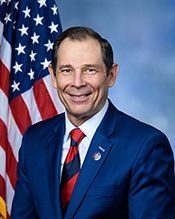
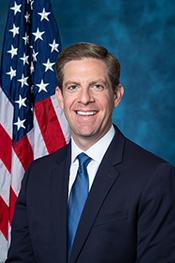
Sponsors and Cosponsors of HR 10513
Latest Bills
TRAPS Act
Bill HR 4936September 18, 2026
Apples to Apples Comparison Act of 2025
Bill HR 4093September 18, 2026
American Lending Fairness Act of 2026
Bill HR 7866September 18, 2026
Civil Investigative Demand Reform Act of 2025
Bill HR 1653September 18, 2026
American Reserve Modernization Act of 2026
Bill HR 8957September 18, 2026
Preventive Health Savings Act
Bill HR 4464September 18, 2026
PEARL Act
Bill HR 9327September 18, 2026
Medically Tailored Home-Delivered Meals Program Pilot Act
Bill HR 5439September 18, 2026
To designate the facility of the United States Postal Service located at 117 West Lovett Street in Charlotte, Michigan, as the "Francis C. Flaherty Post Office Building".
Bill HR 9570September 18, 2026
To designate the facility of the United States Postal Service located at 1019 Avenue H in Fort Madison, Iowa, as the "Martin L. Graber Post Office".
Bill HR 4707September 18, 2026