0
0
0
To amend the United States Leadership Against HIV/AIDS, Tuberculosis, and Malaria Act of 2003 to extend the President's Emergency Plan for AIDS Relief program.
12/18/2024, 6:56 PM
Summary of Bill HR 10457
Bill 118 hr 10457, also known as the President's Emergency Plan for AIDS Relief (PEPFAR) Extension Act, aims to amend the United States Leadership Against HIV/AIDS, Tuberculosis, and Malaria Act of 2003 in order to extend the PEPFAR program. The PEPFAR program was initially established in 2003 to provide funding and support for HIV/AIDS prevention, treatment, and care in countries heavily impacted by the epidemic.
The proposed bill seeks to continue the important work of PEPFAR by extending its authorization and funding. This extension is crucial in order to maintain the progress made in combating HIV/AIDS globally and to continue providing life-saving treatment to those in need. The bill emphasizes the importance of ongoing support for HIV/AIDS programs and the need for sustained efforts to address the epidemic.
Overall, the PEPFAR Extension Act aims to ensure that the United States remains a leader in the fight against HIV/AIDS and continues to provide critical support to countries affected by the epidemic. By extending the PEPFAR program, the bill demonstrates a commitment to addressing the ongoing challenges posed by HIV/AIDS and working towards a world free of the disease.
The proposed bill seeks to continue the important work of PEPFAR by extending its authorization and funding. This extension is crucial in order to maintain the progress made in combating HIV/AIDS globally and to continue providing life-saving treatment to those in need. The bill emphasizes the importance of ongoing support for HIV/AIDS programs and the need for sustained efforts to address the epidemic.
Overall, the PEPFAR Extension Act aims to ensure that the United States remains a leader in the fight against HIV/AIDS and continues to provide critical support to countries affected by the epidemic. By extending the PEPFAR program, the bill demonstrates a commitment to addressing the ongoing challenges posed by HIV/AIDS and working towards a world free of the disease.
Current Status of Bill HR 10457
Bill HR 10457 is currently in the status of Bill Introduced since December 17, 2024. Bill HR 10457 was introduced during Congress 118 and was introduced to the House on December 17, 2024. Bill HR 10457's most recent activity was Referred to the House Committee on Foreign Affairs. as of December 17, 2024
Bipartisan Support of Bill HR 10457
Total Number of Sponsors
2Democrat Sponsors
2Republican Sponsors
0Unaffiliated Sponsors
0Total Number of Cosponsors
2Democrat Cosponsors
2Republican Cosponsors
0Unaffiliated Cosponsors
0Policy Area and Potential Impact of Bill HR 10457
Primary Policy Focus
Alternate Title(s) of Bill HR 10457
To amend the United States Leadership Against HIV/AIDS, Tuberculosis, and Malaria Act of 2003 to extend the President's Emergency Plan for AIDS Relief program.
To amend the United States Leadership Against HIV/AIDS, Tuberculosis, and Malaria Act of 2003 to extend the President's Emergency Plan for AIDS Relief program.
Comments
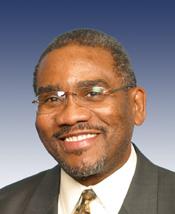
Sponsors and Cosponsors of HR 10457


Latest Bills
TRAPS Act
Bill HR 4936September 18, 2026
Apples to Apples Comparison Act of 2025
Bill HR 4093September 18, 2026
American Lending Fairness Act of 2026
Bill HR 7866September 18, 2026
Civil Investigative Demand Reform Act of 2025
Bill HR 1653September 18, 2026
American Reserve Modernization Act of 2026
Bill HR 8957September 18, 2026
Preventive Health Savings Act
Bill HR 4464September 18, 2026
PEARL Act
Bill HR 9327September 18, 2026
Medically Tailored Home-Delivered Meals Program Pilot Act
Bill HR 5439September 18, 2026
To designate the facility of the United States Postal Service located at 117 West Lovett Street in Charlotte, Michigan, as the "Francis C. Flaherty Post Office Building".
Bill HR 9570September 18, 2026
To designate the facility of the United States Postal Service located at 1019 Avenue H in Fort Madison, Iowa, as the "Martin L. Graber Post Office".
Bill HR 4707September 18, 2026