0
0
0
To establish requirements and impose civil penalties on certain entities of the People's Republic of China that do not employ appropriate safeguards to prevent fentanyl trafficking.
12/18/2024, 9:05 AM
Summary of Bill HR 10451
Bill 118 hr 10451, also known as the "Fentanyl Sanctions Act," aims to address the issue of fentanyl trafficking from the People's Republic of China. The bill establishes requirements and imposes civil penalties on certain entities in China that do not have appropriate safeguards in place to prevent the trafficking of fentanyl.
Under this bill, entities in China that are found to be involved in fentanyl trafficking will face civil penalties. These penalties are intended to serve as a deterrent and hold these entities accountable for their actions. The bill also aims to encourage these entities to implement proper safeguards to prevent the trafficking of fentanyl in the future.
The Fentanyl Sanctions Act is a response to the growing opioid crisis in the United States, where fentanyl has been a major contributor to overdose deaths. By targeting entities in China that are involved in fentanyl trafficking, the bill seeks to disrupt the supply chain of this dangerous drug and protect American citizens from its harmful effects. Overall, the Fentanyl Sanctions Act is a proactive measure aimed at addressing the issue of fentanyl trafficking from China and protecting public health and safety in the United States.
Under this bill, entities in China that are found to be involved in fentanyl trafficking will face civil penalties. These penalties are intended to serve as a deterrent and hold these entities accountable for their actions. The bill also aims to encourage these entities to implement proper safeguards to prevent the trafficking of fentanyl in the future.
The Fentanyl Sanctions Act is a response to the growing opioid crisis in the United States, where fentanyl has been a major contributor to overdose deaths. By targeting entities in China that are involved in fentanyl trafficking, the bill seeks to disrupt the supply chain of this dangerous drug and protect American citizens from its harmful effects. Overall, the Fentanyl Sanctions Act is a proactive measure aimed at addressing the issue of fentanyl trafficking from China and protecting public health and safety in the United States.
Current Status of Bill HR 10451
Bill HR 10451 is currently in the status of Bill Introduced since December 17, 2024. Bill HR 10451 was introduced during Congress 118 and was introduced to the House on December 17, 2024. Bill HR 10451's most recent activity was Referred to the Committee on Ways and Means, and in addition to the Committee on the Judiciary, for a period to be subsequently determined by the Speaker, in each case for consideration of such provisions as fall within the jurisdiction of the committee concerned. as of December 17, 2024
Bipartisan Support of Bill HR 10451
Total Number of Sponsors
1Democrat Sponsors
0Republican Sponsors
1Unaffiliated Sponsors
0Total Number of Cosponsors
8Democrat Cosponsors
4Republican Cosponsors
4Unaffiliated Cosponsors
0Policy Area and Potential Impact of Bill HR 10451
Primary Policy Focus
Alternate Title(s) of Bill HR 10451
To establish requirements and impose civil penalties on certain entities of the People's Republic of China that do not employ appropriate safeguards to prevent fentanyl trafficking.
To establish requirements and impose civil penalties on certain entities of the People's Republic of China that do not employ appropriate safeguards to prevent fentanyl trafficking.
Comments
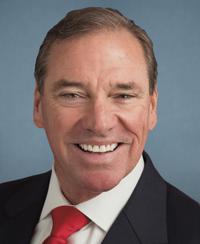
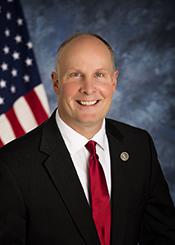
Sponsors and Cosponsors of HR 10451




Latest Bills
TRAPS Act
Bill HR 4936September 18, 2026
Apples to Apples Comparison Act of 2025
Bill HR 4093September 18, 2026
American Lending Fairness Act of 2026
Bill HR 7866September 18, 2026
Civil Investigative Demand Reform Act of 2025
Bill HR 1653September 18, 2026
American Reserve Modernization Act of 2026
Bill HR 8957September 18, 2026
Preventive Health Savings Act
Bill HR 4464September 18, 2026
PEARL Act
Bill HR 9327September 18, 2026
Medically Tailored Home-Delivered Meals Program Pilot Act
Bill HR 5439September 18, 2026
To designate the facility of the United States Postal Service located at 117 West Lovett Street in Charlotte, Michigan, as the "Francis C. Flaherty Post Office Building".
Bill HR 9570September 18, 2026
To designate the facility of the United States Postal Service located at 1019 Avenue H in Fort Madison, Iowa, as the "Martin L. Graber Post Office".
Bill HR 4707September 18, 2026