0
0
0
A resolution expressing the sense of the Senate that in order to effectively address the high prevalence of individuals suffering from mental health conditions and substance use disorders, the United States needs to make historic financial investments into mental health and substance use disorder care and finally acknowledge such care as a priority in health care equal to physical health, and for other purposes.
12/29/2022, 9:33 PM
Summary of Bill SRES 518
Bill 117 sres 518, also known as a resolution expressing the sense of the Senate regarding mental health and substance use disorder care, highlights the need for significant financial investments in these areas. The resolution emphasizes the importance of treating mental health and substance use disorders with the same level of priority as physical health in the United States healthcare system.
The resolution acknowledges the high prevalence of individuals suffering from mental health conditions and substance use disorders in the country. It calls for historic financial investments to be made in mental health and substance use disorder care in order to effectively address these issues. The resolution aims to bring attention to the importance of providing adequate care and support for individuals struggling with these conditions.
Overall, Bill 117 sres 518 emphasizes the need for the United States to prioritize mental health and substance use disorder care and make significant investments in these areas to ensure that individuals receive the necessary treatment and support.
The resolution acknowledges the high prevalence of individuals suffering from mental health conditions and substance use disorders in the country. It calls for historic financial investments to be made in mental health and substance use disorder care in order to effectively address these issues. The resolution aims to bring attention to the importance of providing adequate care and support for individuals struggling with these conditions.
Overall, Bill 117 sres 518 emphasizes the need for the United States to prioritize mental health and substance use disorder care and make significant investments in these areas to ensure that individuals receive the necessary treatment and support.
Congressional Summary of SRES 518
This resolution expresses the sense of the Senate that investments in mental health care and substance use disorder care are necessary to address the high prevalence of those suffering from behavioral health conditions.
Read the Full Bill
Current Status of Bill SRES 518
Bill SRES 518 is currently in the status of Bill Introduced since February 17, 2022. Bill SRES 518 was introduced during Congress 117 and was introduced to the Senate on February 17, 2022. Bill SRES 518's most recent activity was Referred to the Committee on Health, Education, Labor, and Pensions. (text: CR S789-791) as of February 17, 2022
Bipartisan Support of Bill SRES 518
Total Number of Sponsors
1Democrat Sponsors
1Republican Sponsors
0Unaffiliated Sponsors
0Total Number of Cosponsors
6Democrat Cosponsors
6Republican Cosponsors
0Unaffiliated Cosponsors
0Policy Area and Potential Impact of Bill SRES 518
Primary Policy Focus
HealthPotential Impact Areas
- Community life and organization
- Correctional facilities and imprisonment
- Criminal investigation, prosecution, interrogation
- Disability and health-based discrimination
- Drug, alcohol, tobacco use
- Employment and training programs
- Health care costs and insurance
- Health care coverage and access
- Health care quality
- Health personnel
- Health programs administration and funding
- Health promotion and preventive care
- Insurance industry and regulation
- Licensing and registrations
- Medical education
- Medical tests and diagnostic methods
- Mental health
- Minority health
- Rural conditions and development
- Sex, gender, sexual orientation discrimination
- Veterans' medical care
- Worker safety and health
- Youth employment and child labor
Alternate Title(s) of Bill SRES 518
A resolution expressing the sense of the Senate that in order to effectively address the high prevalence of individuals suffering from mental health conditions and substance use disorders, the United States needs to make historic financial investments into mental health and substance use disorder care and finally acknowledge such care as a priority in health care equal to physical health, and for other purposes.
A resolution expressing the sense of the Senate that in order to effectively address the high prevalence of individuals suffering from mental health conditions and substance use disorders, the United States needs to make historic financial investments into mental health and substance use disorder care and finally acknowledge such care as a priority in health care equal to physical health, and for other purposes.
Comments
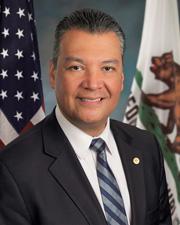
Sponsors and Cosponsors of SRES 518



Latest Bills
TRAPS Act
Bill HR 4936September 18, 2026
Apples to Apples Comparison Act of 2025
Bill HR 4093September 18, 2026
American Lending Fairness Act of 2026
Bill HR 7866September 18, 2026
Civil Investigative Demand Reform Act of 2025
Bill HR 1653September 18, 2026
American Reserve Modernization Act of 2026
Bill HR 8957September 18, 2026
Preventive Health Savings Act
Bill HR 4464September 18, 2026
PEARL Act
Bill HR 9327September 18, 2026
Medically Tailored Home-Delivered Meals Program Pilot Act
Bill HR 5439September 18, 2026
To designate the facility of the United States Postal Service located at 117 West Lovett Street in Charlotte, Michigan, as the "Francis C. Flaherty Post Office Building".
Bill HR 9570September 18, 2026
To designate the facility of the United States Postal Service located at 1019 Avenue H in Fort Madison, Iowa, as the "Martin L. Graber Post Office".
Bill HR 4707September 18, 2026