0
0
0
Recognizing the growing threats against women and children, religious and ethnic minorities, and LGBTQI persons in Afghanistan and against allies of such individuals, such as civil society leaders and activists, scholars, former government officials, journalists, and media workers, and expressing solidarity with and reaffirming the dire need to protect vulnerable and minority populations and their allies in Afghanistan under Taliban rule.
12/30/2022, 4:33 AM
Summary of Bill HRES 926
Bill 117 H.Res. 926, titled "Recognizing the growing threats against women and children, religious and ethnic minorities, and LGBTQI persons in Afghanistan and against allies of such individuals," aims to address the escalating dangers faced by vulnerable populations in Afghanistan under Taliban rule. The bill specifically highlights the risks faced by women, children, religious and ethnic minorities, and LGBTQI individuals, as well as their allies such as civil society leaders, activists, scholars, former government officials, journalists, and media workers.
The bill emphasizes the urgent need to protect these vulnerable populations and their allies in Afghanistan, acknowledging the dire situation they are facing. It calls for solidarity with these groups and reaffirms the importance of safeguarding their rights and safety in the face of increasing threats.
Overall, Bill 117 H.Res. 926 seeks to draw attention to the precarious situation of marginalized communities in Afghanistan and to advocate for measures to ensure their protection and well-being in the midst of Taliban rule.
The bill emphasizes the urgent need to protect these vulnerable populations and their allies in Afghanistan, acknowledging the dire situation they are facing. It calls for solidarity with these groups and reaffirms the importance of safeguarding their rights and safety in the face of increasing threats.
Overall, Bill 117 H.Res. 926 seeks to draw attention to the precarious situation of marginalized communities in Afghanistan and to advocate for measures to ensure their protection and well-being in the midst of Taliban rule.
Congressional Summary of HRES 926
This resolution expresses that the House of Representatives
- stands in solidarity with the people of Afghanistan and with vulnerable groups, including women and children; religious and ethnic minorities; lesbian, gay, bisexual, transgender, queer, and intersex (LGBTQI) persons; civil society actors; journalists; and other at-risk populations in Afghanistan;
- calls on the Taliban to uphold the protection of universal human rights, including the commitments set forth in the Universal Declaration of Human Rights and enshrined in the International Covenant on Civil and Political Rights, to which Afghanistan is a party;
- calls for the international community to condemn human rights violations committed by the Taliban; and
- calls on the U.S. government to work closely with the international community and nongovernmental organizations, particularly such organizations based in Afghanistan, to support at-risk Afghan minority populations and other vulnerable communities.
Read the Full Bill
Current Status of Bill HRES 926
Bill HRES 926 is currently in the status of Bill Introduced since February 15, 2022. Bill HRES 926 was introduced during Congress 117 and was introduced to the House on February 15, 2022. Bill HRES 926's most recent activity was Referred to the House Committee on Foreign Affairs. as of February 15, 2022
Bipartisan Support of Bill HRES 926
Total Number of Sponsors
1Democrat Sponsors
1Republican Sponsors
0Unaffiliated Sponsors
0Total Number of Cosponsors
34Democrat Cosponsors
34Republican Cosponsors
0Unaffiliated Cosponsors
0Policy Area and Potential Impact of Bill HRES 926
Primary Policy Focus
International AffairsAlternate Title(s) of Bill HRES 926
Recognizing the growing threats against women and children, religious and ethnic minorities, and LGBTQI persons in Afghanistan and against allies of such individuals, such as civil society leaders and activists, scholars, former government officials, journalists, and media workers, and expressing solidarity with and reaffirming the dire need to protect vulnerable and minority populations and their allies in Afghanistan under Taliban rule.
Recognizing the growing threats against women and children, religious and ethnic minorities, and LGBTQI persons in Afghanistan and against allies of such individuals, such as civil society leaders and activists, scholars, former government officials, journalists, and media workers, and expressing solidarity with and reaffirming the dire need to protect vulnerable and minority populations and their allies in Afghanistan under Taliban rule.
Comments
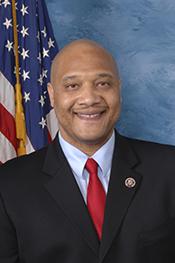
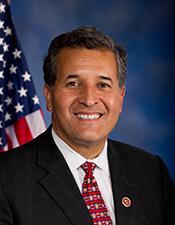
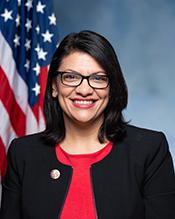
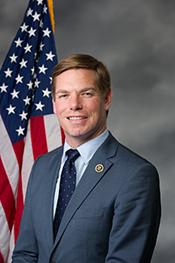
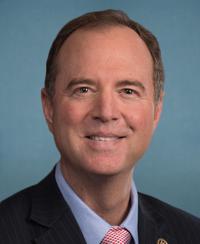
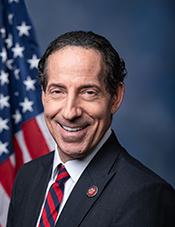
Sponsors and Cosponsors of HRES 926
Latest Bills
TRAPS Act
Bill HR 4936September 18, 2026
Apples to Apples Comparison Act of 2025
Bill HR 4093September 18, 2026
American Lending Fairness Act of 2026
Bill HR 7866September 18, 2026
Civil Investigative Demand Reform Act of 2025
Bill HR 1653September 18, 2026
American Reserve Modernization Act of 2026
Bill HR 8957September 18, 2026
Preventive Health Savings Act
Bill HR 4464September 18, 2026
PEARL Act
Bill HR 9327September 18, 2026
Medically Tailored Home-Delivered Meals Program Pilot Act
Bill HR 5439September 18, 2026
To designate the facility of the United States Postal Service located at 117 West Lovett Street in Charlotte, Michigan, as the "Francis C. Flaherty Post Office Building".
Bill HR 9570September 18, 2026
To designate the facility of the United States Postal Service located at 1019 Avenue H in Fort Madison, Iowa, as the "Martin L. Graber Post Office".
Bill HR 4707September 18, 2026
A resolution recognizing the growing threats against women and children, religious and ethnic minorities, and LGBTQI persons in Afghanistan and against allies of such individuals, such as civil society leaders and activists, scholars, former government officials, journalists, and media workers, and expressing solidarity with and reaffirming the dire need to protect vulnerable and minority populations and their allies in Afghanistan under Taliban rule.
Bill SRES 513March 13, 2024