0
0
0
Cabin Air Safety Act of 2022
12/29/2022, 10:03 PM
Summary of Bill HR 7267
Bill 117 HR 7267, also known as the Cabin Air Safety Act of 2022, is a piece of legislation introduced in the US Congress with the aim of improving the safety of cabin air on commercial aircraft. The bill addresses concerns about the quality of air in airplane cabins and seeks to protect passengers and crew members from potential health risks associated with poor air quality.
The Cabin Air Safety Act of 2022 includes several key provisions. Firstly, it requires the Federal Aviation Administration (FAA) to establish air quality standards for commercial aircraft cabins. These standards would aim to ensure that the air passengers and crew breathe while on board is clean and free from harmful contaminants.
Additionally, the bill mandates that airlines install and maintain air quality monitoring systems on all commercial aircraft. These systems would continuously monitor the air in the cabin and alert crew members if air quality falls below the established standards. This would allow for prompt action to be taken to address any air quality issues and protect the health and safety of passengers and crew. Furthermore, the Cabin Air Safety Act of 2022 requires airlines to provide training to flight attendants and other crew members on how to respond to air quality incidents and ensure the safety of passengers in such situations. This training would help ensure that crew members are prepared to handle any air quality emergencies that may arise during a flight. Overall, the Cabin Air Safety Act of 2022 aims to improve the safety and well-being of passengers and crew members by addressing concerns about cabin air quality on commercial aircraft. By establishing air quality standards, implementing monitoring systems, and providing training to crew members, this bill seeks to enhance the overall safety of air travel for all individuals on board.
The Cabin Air Safety Act of 2022 includes several key provisions. Firstly, it requires the Federal Aviation Administration (FAA) to establish air quality standards for commercial aircraft cabins. These standards would aim to ensure that the air passengers and crew breathe while on board is clean and free from harmful contaminants.
Additionally, the bill mandates that airlines install and maintain air quality monitoring systems on all commercial aircraft. These systems would continuously monitor the air in the cabin and alert crew members if air quality falls below the established standards. This would allow for prompt action to be taken to address any air quality issues and protect the health and safety of passengers and crew. Furthermore, the Cabin Air Safety Act of 2022 requires airlines to provide training to flight attendants and other crew members on how to respond to air quality incidents and ensure the safety of passengers in such situations. This training would help ensure that crew members are prepared to handle any air quality emergencies that may arise during a flight. Overall, the Cabin Air Safety Act of 2022 aims to improve the safety and well-being of passengers and crew members by addressing concerns about cabin air quality on commercial aircraft. By establishing air quality standards, implementing monitoring systems, and providing training to crew members, this bill seeks to enhance the overall safety of air travel for all individuals on board.
Congressional Summary of HR 7267
Cabin Air Safety Act of 2022
This bill directs the Federal Aviation Administration (FAA) to implement regulations regarding smoke or fume incidents on aircraft (excluding helicopters).
Specifically, the bill requires
- flight attendants, pilots, aircraft maintenance technicians, airport first responders, and emergency response teams to receive annual training on how to respond to incidents on aircraft;
- the FAA to develop a standardized form and system for reporting incidents involving smoke or fumes;
- the FAA to conduct an investigation after a report is submitted about incidents of smoke or fumes if anybody on the aircraft required medical attention; and
- air carriers to install and operate onboard detectors and other air quality monitoring equipment situated in the air supply system to enable pilots and maintenance technicians to locate the sources of air supply contamination, including carbon monoxide.
Read the Full Bill
Current Status of Bill HR 7267
Bill HR 7267 is currently in the status of Bill Introduced since March 29, 2022. Bill HR 7267 was introduced during Congress 117 and was introduced to the House on March 29, 2022. Bill HR 7267's most recent activity was Referred to the Subcommittee on Aviation. as of March 30, 2022
Bipartisan Support of Bill HR 7267
Total Number of Sponsors
1Democrat Sponsors
1Republican Sponsors
0Unaffiliated Sponsors
0Total Number of Cosponsors
42Democrat Cosponsors
32Republican Cosponsors
10Unaffiliated Cosponsors
0Policy Area and Potential Impact of Bill HR 7267
Primary Policy Focus
Transportation and Public WorksAlternate Title(s) of Bill HR 7267
Cabin Air Safety Act of 2022
Cabin Air Safety Act of 2022
To improve the safety of the air supply on aircraft, and for other purposes.
Comments
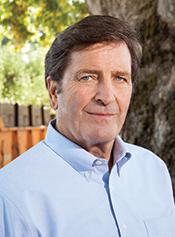
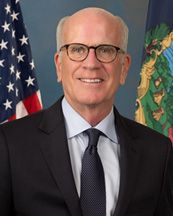
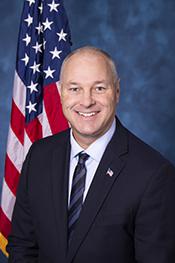
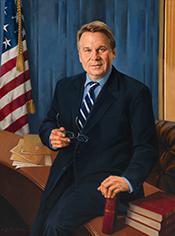
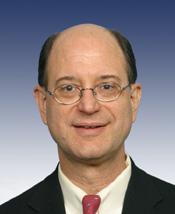
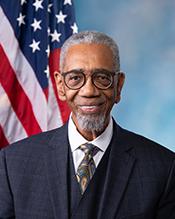
Sponsors and Cosponsors of HR 7267
Latest Bills
TRAPS Act
Bill HR 4936September 18, 2026
Apples to Apples Comparison Act of 2025
Bill HR 4093September 18, 2026
American Lending Fairness Act of 2026
Bill HR 7866September 18, 2026
Civil Investigative Demand Reform Act of 2025
Bill HR 1653September 18, 2026
American Reserve Modernization Act of 2026
Bill HR 8957September 18, 2026
Preventive Health Savings Act
Bill HR 4464September 18, 2026
PEARL Act
Bill HR 9327September 18, 2026
Medically Tailored Home-Delivered Meals Program Pilot Act
Bill HR 5439September 18, 2026
To designate the facility of the United States Postal Service located at 117 West Lovett Street in Charlotte, Michigan, as the "Francis C. Flaherty Post Office Building".
Bill HR 9570September 18, 2026
To designate the facility of the United States Postal Service located at 1019 Avenue H in Fort Madison, Iowa, as the "Martin L. Graber Post Office".
Bill HR 4707September 18, 2026
Cabin Air Safety Act of 2022
Bill S 3944December 29, 2022