0
0
0
Russian Travel Sanctions for a Democratic Ukraine Act
12/30/2022, 4:33 AM
Summary of Bill HR 6853
Bill 117 hr 6853, also known as the Russian Travel Sanctions for a Democratic Ukraine Act, is a piece of legislation introduced in the US Congress with the aim of imposing sanctions on Russian individuals who are involved in the ongoing conflict in Ukraine. The bill specifically targets those who are responsible for human rights abuses, corruption, or undermining the sovereignty and territorial integrity of Ukraine.
If passed, the bill would authorize the US government to deny visas to these individuals, as well as freeze any assets they may have in the United States. The goal of these sanctions is to hold accountable those who are contributing to the destabilization of Ukraine and to support the efforts of the Ukrainian government to establish a democratic and independent nation.
The bill has received bipartisan support in Congress, with lawmakers from both parties recognizing the importance of standing up to Russian aggression and supporting Ukraine in its struggle for sovereignty. Proponents of the bill argue that these sanctions are a necessary step to deter further Russian interference in Ukraine and to show solidarity with the Ukrainian people. Opponents of the bill, however, have raised concerns about the potential impact of these sanctions on US-Russian relations and the possibility of escalating tensions between the two countries. They argue that diplomatic efforts should be prioritized over punitive measures in order to find a peaceful resolution to the conflict in Ukraine. Overall, Bill 117 hr 6853 represents a significant effort by the US Congress to address the ongoing crisis in Ukraine and to hold accountable those who are responsible for perpetuating the conflict. It remains to be seen whether the bill will ultimately be passed into law, but it is clear that the issue of Russian aggression in Ukraine continues to be a top priority for lawmakers in Washington.
If passed, the bill would authorize the US government to deny visas to these individuals, as well as freeze any assets they may have in the United States. The goal of these sanctions is to hold accountable those who are contributing to the destabilization of Ukraine and to support the efforts of the Ukrainian government to establish a democratic and independent nation.
The bill has received bipartisan support in Congress, with lawmakers from both parties recognizing the importance of standing up to Russian aggression and supporting Ukraine in its struggle for sovereignty. Proponents of the bill argue that these sanctions are a necessary step to deter further Russian interference in Ukraine and to show solidarity with the Ukrainian people. Opponents of the bill, however, have raised concerns about the potential impact of these sanctions on US-Russian relations and the possibility of escalating tensions between the two countries. They argue that diplomatic efforts should be prioritized over punitive measures in order to find a peaceful resolution to the conflict in Ukraine. Overall, Bill 117 hr 6853 represents a significant effort by the US Congress to address the ongoing crisis in Ukraine and to hold accountable those who are responsible for perpetuating the conflict. It remains to be seen whether the bill will ultimately be passed into law, but it is clear that the issue of Russian aggression in Ukraine continues to be a top priority for lawmakers in Washington.
Congressional Summary of HR 6853
Russian Travel Sanctions for a Democratic Ukraine Act
This bill imposes visa-blocking sanctions on certain citizens of Russia.
Specifically, the President must impose such sanctions on citizens of Russia who are (1) Russian oligarchs, (2) employees of Russia's government, or (3) employees of companies that are owned by or receive funding from Russia's government. The President must also impose the sanctions on family members of such individuals.
The President must coordinate with allies, including NATO member states, on the imposition of such sanctions. The President may waive the application of such sanctions in certain instances.
Read the Full Bill
Current Status of Bill HR 6853
Bill HR 6853 is currently in the status of Bill Introduced since February 25, 2022. Bill HR 6853 was introduced during Congress 117 and was introduced to the House on February 25, 2022. Bill HR 6853's most recent activity was Referred to the Subcommittee on Immigration and Citizenship. as of November 1, 2022
Bipartisan Support of Bill HR 6853
Total Number of Sponsors
1Democrat Sponsors
1Republican Sponsors
0Unaffiliated Sponsors
0Total Number of Cosponsors
98Democrat Cosponsors
74Republican Cosponsors
24Unaffiliated Cosponsors
0Policy Area and Potential Impact of Bill HR 6853
Primary Policy Focus
International AffairsPotential Impact Areas
- Alliances
- Collective security
- Conflicts and wars
- Corporate finance and management
- Diplomacy, foreign officials, Americans abroad
- Europe
- Foreign and international corporations
- Military operations and strategy
- Russia
- Sanctions
- Ukraine
- Visas and passports
Alternate Title(s) of Bill HR 6853
Russian Travel Sanctions for a Democratic Ukraine Act
Russian Travel Sanctions for a Democratic Ukraine Act
To provide for the imposition of sanctions on certain citizens of the Russian Federation and their family members as a result of the Russian Federation's invasion of Ukraine.
Comments
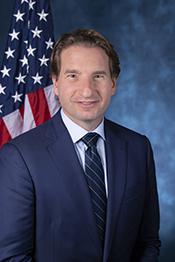
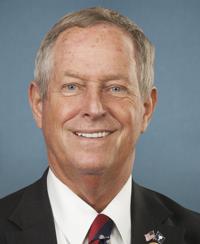
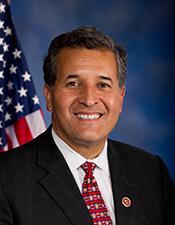
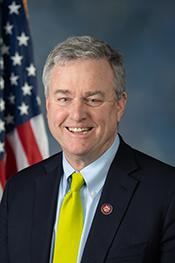
Sponsors and Cosponsors of HR 6853


Latest Bills
TRAPS Act
Bill HR 4936September 18, 2026
Apples to Apples Comparison Act of 2025
Bill HR 4093September 18, 2026
American Lending Fairness Act of 2026
Bill HR 7866September 18, 2026
Civil Investigative Demand Reform Act of 2025
Bill HR 1653September 18, 2026
American Reserve Modernization Act of 2026
Bill HR 8957September 18, 2026
Preventive Health Savings Act
Bill HR 4464September 18, 2026
PEARL Act
Bill HR 9327September 18, 2026
Medically Tailored Home-Delivered Meals Program Pilot Act
Bill HR 5439September 18, 2026
To designate the facility of the United States Postal Service located at 117 West Lovett Street in Charlotte, Michigan, as the "Francis C. Flaherty Post Office Building".
Bill HR 9570September 18, 2026
To designate the facility of the United States Postal Service located at 1019 Avenue H in Fort Madison, Iowa, as the "Martin L. Graber Post Office".
Bill HR 4707September 18, 2026