0
0
0
Inpatient Opioid Safety Act of 2021
12/30/2022, 8:03 AM
Summary of Bill HR 5932
Bill 117 hr 5932, also known as the Inpatient Opioid Safety Act of 2021, aims to address the opioid crisis by implementing new safety measures for patients receiving opioid medications in inpatient settings. The bill requires hospitals to develop and implement protocols for the safe administration of opioids, including monitoring patients for signs of opioid misuse or addiction.
Additionally, the bill mandates that hospitals provide education to patients and their families about the risks associated with opioid medications and alternative pain management options. Hospitals are also required to report data on opioid prescribing and use to the Department of Health and Human Services for monitoring and evaluation purposes.
Overall, the Inpatient Opioid Safety Act of 2021 seeks to improve patient safety and reduce the risk of opioid misuse and addiction in inpatient settings. It represents a bipartisan effort to address the ongoing opioid crisis in the United States.
Additionally, the bill mandates that hospitals provide education to patients and their families about the risks associated with opioid medications and alternative pain management options. Hospitals are also required to report data on opioid prescribing and use to the Department of Health and Human Services for monitoring and evaluation purposes.
Overall, the Inpatient Opioid Safety Act of 2021 seeks to improve patient safety and reduce the risk of opioid misuse and addiction in inpatient settings. It represents a bipartisan effort to address the ongoing opioid crisis in the United States.
Congressional Summary of HR 5932
Inpatient Opioid Safety Act of 2021
This bill requires hospitals, as a condition of Medicare and Medicaid participation, to use specified technology to monitor patients for opioid-induced respiratory depression for 12 hours after the administration of an opioid or until the patient is discharged, whichever is earlier, unless a health care practitioner determines before administering an opioid that such monitoring should not be used and records this determination in the patient's record.
Read the Full Bill
Current Status of Bill HR 5932
Bill HR 5932 is currently in the status of Bill Introduced since November 9, 2021. Bill HR 5932 was introduced during Congress 117 and was introduced to the House on November 9, 2021. Bill HR 5932's most recent activity was Referred to the Subcommittee on Health. as of November 10, 2021
Bipartisan Support of Bill HR 5932
Total Number of Sponsors
1Democrat Sponsors
1Republican Sponsors
0Unaffiliated Sponsors
0Total Number of Cosponsors
2Democrat Cosponsors
0Republican Cosponsors
2Unaffiliated Cosponsors
0Policy Area and Potential Impact of Bill HR 5932
Primary Policy Focus
HealthAlternate Title(s) of Bill HR 5932
Inpatient Opioid Safety Act of 2021
Inpatient Opioid Safety Act of 2021
To amend titles XVIII and XIX of the Social Security Act to provide for the improvement of patient safety and to reduce the incidence of injury and death from opioid-induced respiratory depression under the Medicare and Medicaid programs.
Comments
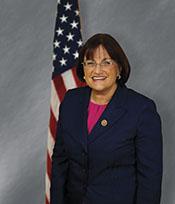
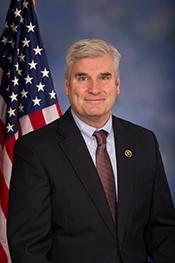
Sponsors and Cosponsors of HR 5932
Latest Bills
TRAPS Act
Bill HR 4936September 18, 2026
Apples to Apples Comparison Act of 2025
Bill HR 4093September 18, 2026
American Lending Fairness Act of 2026
Bill HR 7866September 18, 2026
Civil Investigative Demand Reform Act of 2025
Bill HR 1653September 18, 2026
American Reserve Modernization Act of 2026
Bill HR 8957September 18, 2026
Preventive Health Savings Act
Bill HR 4464September 18, 2026
PEARL Act
Bill HR 9327September 18, 2026
Medically Tailored Home-Delivered Meals Program Pilot Act
Bill HR 5439September 18, 2026
To designate the facility of the United States Postal Service located at 117 West Lovett Street in Charlotte, Michigan, as the "Francis C. Flaherty Post Office Building".
Bill HR 9570September 18, 2026
To designate the facility of the United States Postal Service located at 1019 Avenue H in Fort Madison, Iowa, as the "Martin L. Graber Post Office".
Bill HR 4707September 18, 2026