0
0
0
Courthouse Ethics and Transparency Act
4/17/2024, 11:42 PM
Summary of Bill HR 5720
Bill 117 HR 5720, also known as the Courthouse Ethics and Transparency Act, aims to promote integrity and accountability within the judicial system by establishing guidelines for ethical conduct and transparency in federal courthouses. The bill requires federal judges and court employees to adhere to a code of conduct that prohibits conflicts of interest, bias, and other unethical behavior.
Additionally, the Courthouse Ethics and Transparency Act mandates that all federal court proceedings be open to the public, with limited exceptions for cases involving sensitive information. This provision is intended to increase transparency and public trust in the judicial system.
Furthermore, the bill requires federal judges and court employees to disclose any financial interests or relationships that could potentially influence their decisions. This disclosure requirement is designed to prevent conflicts of interest and ensure impartiality in court proceedings. Overall, the Courthouse Ethics and Transparency Act seeks to uphold the highest standards of ethics and transparency in the federal judiciary, ultimately enhancing the credibility and fairness of the judicial system.
Additionally, the Courthouse Ethics and Transparency Act mandates that all federal court proceedings be open to the public, with limited exceptions for cases involving sensitive information. This provision is intended to increase transparency and public trust in the judicial system.
Furthermore, the bill requires federal judges and court employees to disclose any financial interests or relationships that could potentially influence their decisions. This disclosure requirement is designed to prevent conflicts of interest and ensure impartiality in court proceedings. Overall, the Courthouse Ethics and Transparency Act seeks to uphold the highest standards of ethics and transparency in the federal judiciary, ultimately enhancing the credibility and fairness of the judicial system.
Current Status of Bill HR 5720
Bill HR 5720 is currently in the status of Bill Introduced since October 25, 2021. Bill HR 5720 was introduced during Congress 117 and was introduced to the House on October 25, 2021. Bill HR 5720's most recent activity was Received in the Senate. as of December 2, 2021
Bipartisan Support of Bill HR 5720
Total Number of Sponsors
1Democrat Sponsors
1Republican Sponsors
0Unaffiliated Sponsors
0Total Number of Cosponsors
0Democrat Cosponsors
0Republican Cosponsors
0Unaffiliated Cosponsors
0Policy Area and Potential Impact of Bill HR 5720
Primary Policy Focus
LawComments
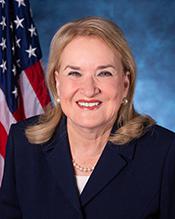
Sponsors and Cosponsors of HR 5720


Latest Bills
TRAPS Act
Bill HR 4936September 18, 2026
Apples to Apples Comparison Act of 2025
Bill HR 4093September 18, 2026
American Lending Fairness Act of 2026
Bill HR 7866September 18, 2026
Civil Investigative Demand Reform Act of 2025
Bill HR 1653September 18, 2026
American Reserve Modernization Act of 2026
Bill HR 8957September 18, 2026
Preventive Health Savings Act
Bill HR 4464September 18, 2026
PEARL Act
Bill HR 9327September 18, 2026
Medically Tailored Home-Delivered Meals Program Pilot Act
Bill HR 5439September 18, 2026
To designate the facility of the United States Postal Service located at 117 West Lovett Street in Charlotte, Michigan, as the "Francis C. Flaherty Post Office Building".
Bill HR 9570September 18, 2026
To designate the facility of the United States Postal Service located at 1019 Avenue H in Fort Madison, Iowa, as the "Martin L. Graber Post Office".
Bill HR 4707September 18, 2026