0
0
0
Remote Naturalization Act
12/31/2022, 5:04 AM
Summary of Bill HR 4858
Bill 117 HR 4858, also known as the Remote Naturalization Act, is a piece of legislation currently being considered by the US Congress. The purpose of this bill is to allow individuals to complete the naturalization process remotely, without the need to physically appear at a designated location.
Under the Remote Naturalization Act, eligible individuals would be able to complete the necessary steps for naturalization, such as the citizenship test and interview, through virtual means such as video conferencing. This would make the process more accessible to individuals who may have difficulty traveling to a designated location, such as those living in remote areas or individuals with mobility issues.
The bill includes provisions to ensure the security and integrity of the naturalization process, such as requiring the use of secure technology for virtual interviews and tests. Additionally, individuals applying for naturalization remotely would still be subject to the same eligibility requirements and background checks as those applying in person. Supporters of the Remote Naturalization Act argue that it would make the naturalization process more efficient and accessible, particularly for individuals who face barriers to in-person appearances. However, critics have raised concerns about the potential for fraud and security risks associated with remote naturalization. Overall, the Remote Naturalization Act aims to modernize and streamline the naturalization process, while also ensuring that the integrity of the process is maintained. It remains to be seen whether this bill will be passed by Congress and signed into law.
Under the Remote Naturalization Act, eligible individuals would be able to complete the necessary steps for naturalization, such as the citizenship test and interview, through virtual means such as video conferencing. This would make the process more accessible to individuals who may have difficulty traveling to a designated location, such as those living in remote areas or individuals with mobility issues.
The bill includes provisions to ensure the security and integrity of the naturalization process, such as requiring the use of secure technology for virtual interviews and tests. Additionally, individuals applying for naturalization remotely would still be subject to the same eligibility requirements and background checks as those applying in person. Supporters of the Remote Naturalization Act argue that it would make the naturalization process more efficient and accessible, particularly for individuals who face barriers to in-person appearances. However, critics have raised concerns about the potential for fraud and security risks associated with remote naturalization. Overall, the Remote Naturalization Act aims to modernize and streamline the naturalization process, while also ensuring that the integrity of the process is maintained. It remains to be seen whether this bill will be passed by Congress and signed into law.
Congressional Summary of HR 4858
Remote Naturalization Act
This bill requires the Department of Homeland Security to establish procedures to provide for remote oath ceremonies for naturalization, including through the use of videoconferencing technology.
Under this bill, the option to participate in a remote oath ceremony shall be available to an individual with an approved naturalization application who is unable to attend a ceremony in person, including if in-person ceremonies have been cancelled due to a declared national emergency.
Read the Full Bill
Current Status of Bill HR 4858
Bill HR 4858 is currently in the status of Bill Introduced since July 29, 2021. Bill HR 4858 was introduced during Congress 117 and was introduced to the House on July 29, 2021. Bill HR 4858's most recent activity was Referred to the Subcommittee on Immigration and Citizenship. as of November 1, 2022
Bipartisan Support of Bill HR 4858
Total Number of Sponsors
1Democrat Sponsors
1Republican Sponsors
0Unaffiliated Sponsors
0Total Number of Cosponsors
4Democrat Cosponsors
4Republican Cosponsors
0Unaffiliated Cosponsors
0Policy Area and Potential Impact of Bill HR 4858
Primary Policy Focus
ImmigrationPotential Impact Areas
- Citizenship and naturalization
- Congressional oversight
- Disaster relief and insurance
- Emergency medical services and trauma care
- Immigration status and procedures
- Infectious and parasitic diseases
- Internet and video services
- Internet, web applications, social media
- User charges and fees
- War and emergency powers
Alternate Title(s) of Bill HR 4858
To permit remote oath ceremonies, and for other purposes.
Remote Naturalization Act
Remote Naturalization Act
Comments
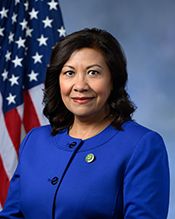
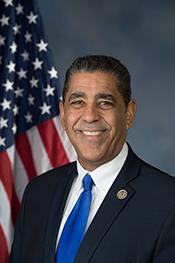
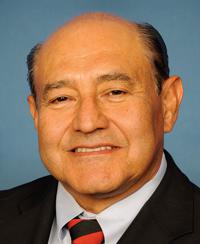
Sponsors and Cosponsors of HR 4858
Latest Bills
TRAPS Act
Bill HR 4936September 18, 2026
Apples to Apples Comparison Act of 2025
Bill HR 4093September 18, 2026
American Lending Fairness Act of 2026
Bill HR 7866September 18, 2026
Civil Investigative Demand Reform Act of 2025
Bill HR 1653September 18, 2026
American Reserve Modernization Act of 2026
Bill HR 8957September 18, 2026
Preventive Health Savings Act
Bill HR 4464September 18, 2026
PEARL Act
Bill HR 9327September 18, 2026
Medically Tailored Home-Delivered Meals Program Pilot Act
Bill HR 5439September 18, 2026
To designate the facility of the United States Postal Service located at 117 West Lovett Street in Charlotte, Michigan, as the "Francis C. Flaherty Post Office Building".
Bill HR 9570September 18, 2026
To designate the facility of the United States Postal Service located at 1019 Avenue H in Fort Madison, Iowa, as the "Martin L. Graber Post Office".
Bill HR 4707September 18, 2026