0
0
0
Safe Stay Act
12/31/2022, 5:04 AM
Summary of Bill HR 4807
The Safe Stay Act, also known as Bill 117 hr 4807, is a piece of legislation currently being considered by the US Congress. The main goal of this bill is to ensure the safety and well-being of individuals staying in short-term rental accommodations, such as Airbnb or VRBO properties.
The Safe Stay Act includes several key provisions aimed at achieving this goal. Firstly, it requires all short-term rental hosts to undergo a background check to ensure they do not have a criminal record that could pose a threat to guests. Additionally, hosts must also provide proof of insurance to cover any potential accidents or damages that may occur during a guest's stay.
Furthermore, the bill mandates that all short-term rental properties meet certain safety standards, such as having working smoke detectors, fire extinguishers, and carbon monoxide detectors. Hosts must also provide guests with emergency contact information in case of any issues or emergencies during their stay. Overall, the Safe Stay Act seeks to regulate the short-term rental industry to ensure the safety and security of guests. By implementing background checks, insurance requirements, and safety standards, this bill aims to protect individuals who choose to stay in these types of accommodations.
The Safe Stay Act includes several key provisions aimed at achieving this goal. Firstly, it requires all short-term rental hosts to undergo a background check to ensure they do not have a criminal record that could pose a threat to guests. Additionally, hosts must also provide proof of insurance to cover any potential accidents or damages that may occur during a guest's stay.
Furthermore, the bill mandates that all short-term rental properties meet certain safety standards, such as having working smoke detectors, fire extinguishers, and carbon monoxide detectors. Hosts must also provide guests with emergency contact information in case of any issues or emergencies during their stay. Overall, the Safe Stay Act seeks to regulate the short-term rental industry to ensure the safety and security of guests. By implementing background checks, insurance requirements, and safety standards, this bill aims to protect individuals who choose to stay in these types of accommodations.
Congressional Summary of HR 4807
Safe Stay Act
This bill requires places of public accommodation to install compliant carbon monoxide detectors within each sleeping or dwelling unit. Further, during check-in, such accommodations must provide each guest with written notice of compliance with the requirement.
Read the Full Bill
Current Status of Bill HR 4807
Bill HR 4807 is currently in the status of Bill Introduced since July 29, 2021. Bill HR 4807 was introduced during Congress 117 and was introduced to the House on July 29, 2021. Bill HR 4807's most recent activity was Referred to the Subcommittee on Consumer Protection and Commerce. as of July 30, 2021
Bipartisan Support of Bill HR 4807
Total Number of Sponsors
1Democrat Sponsors
1Republican Sponsors
0Unaffiliated Sponsors
0Total Number of Cosponsors
0Democrat Cosponsors
0Republican Cosponsors
0Unaffiliated Cosponsors
0Policy Area and Potential Impact of Bill HR 4807
Primary Policy Focus
CommercePotential Impact Areas
- Air quality
- Consumer affairs
- Emergency communications systems
- Fires
- Housing industry and standards
- Performance measurement
- Travel and tourism
Alternate Title(s) of Bill HR 4807
To amend the Federal Fire Prevention and Control Act of 1974 to update the fire prevention and control guidelines to require the mandatory installation of carbon monoxide alarms in all places of public accommodation, and for other purposes.
Safe Stay Act
Safe Stay Act
Comments
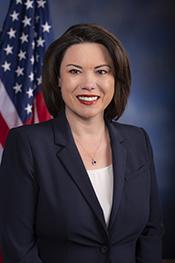
Sponsors and Cosponsors of HR 4807
Latest Bills
TRAPS Act
Bill HR 4936September 18, 2026
Apples to Apples Comparison Act of 2025
Bill HR 4093September 18, 2026
American Lending Fairness Act of 2026
Bill HR 7866September 18, 2026
Civil Investigative Demand Reform Act of 2025
Bill HR 1653September 18, 2026
American Reserve Modernization Act of 2026
Bill HR 8957September 18, 2026
Preventive Health Savings Act
Bill HR 4464September 18, 2026
PEARL Act
Bill HR 9327September 18, 2026
Medically Tailored Home-Delivered Meals Program Pilot Act
Bill HR 5439September 18, 2026
To designate the facility of the United States Postal Service located at 117 West Lovett Street in Charlotte, Michigan, as the "Francis C. Flaherty Post Office Building".
Bill HR 9570September 18, 2026
To designate the facility of the United States Postal Service located at 1019 Avenue H in Fort Madison, Iowa, as the "Martin L. Graber Post Office".
Bill HR 4707September 18, 2026