0
0
0
Reef Safe Act of 2021
12/31/2022, 5:04 AM
Summary of Bill HR 4800
Bill 117 HR 4800, also known as the Reef Safe Act of 2021, aims to protect coral reefs and marine ecosystems by banning the sale of sunscreens containing oxybenzone and octinoxate, which are harmful chemicals known to contribute to coral bleaching. The bill was introduced in the House of Representatives on March 1, 2021, by Representative Debbie Wasserman Schultz from Florida.
The Reef Safe Act of 2021 prohibits the sale of sunscreen products that contain oxybenzone and octinoxate in the United States and its territories. These chemicals have been shown to disrupt coral reproduction and growth, leading to the deterioration of coral reefs and the marine life that depends on them.
The bill also requires the Food and Drug Administration (FDA) to conduct a study on the environmental impact of other chemicals commonly found in sunscreen products. This study will help determine if additional chemicals should be banned in order to protect coral reefs and marine ecosystems. Supporters of the Reef Safe Act argue that protecting coral reefs is essential for maintaining biodiversity and the health of our oceans. They believe that banning harmful chemicals in sunscreen products is a crucial step towards preserving these fragile ecosystems for future generations. Opponents of the bill may argue that banning certain sunscreen ingredients could limit consumer choice and access to effective sun protection. They may also raise concerns about the economic impact on sunscreen manufacturers and retailers. Overall, the Reef Safe Act of 2021 represents a bipartisan effort to address the environmental threats facing coral reefs and marine ecosystems. By banning harmful chemicals in sunscreen products, the bill aims to protect these vital ecosystems and promote sustainable practices for the benefit of both the environment and future generations.
The Reef Safe Act of 2021 prohibits the sale of sunscreen products that contain oxybenzone and octinoxate in the United States and its territories. These chemicals have been shown to disrupt coral reproduction and growth, leading to the deterioration of coral reefs and the marine life that depends on them.
The bill also requires the Food and Drug Administration (FDA) to conduct a study on the environmental impact of other chemicals commonly found in sunscreen products. This study will help determine if additional chemicals should be banned in order to protect coral reefs and marine ecosystems. Supporters of the Reef Safe Act argue that protecting coral reefs is essential for maintaining biodiversity and the health of our oceans. They believe that banning harmful chemicals in sunscreen products is a crucial step towards preserving these fragile ecosystems for future generations. Opponents of the bill may argue that banning certain sunscreen ingredients could limit consumer choice and access to effective sun protection. They may also raise concerns about the economic impact on sunscreen manufacturers and retailers. Overall, the Reef Safe Act of 2021 represents a bipartisan effort to address the environmental threats facing coral reefs and marine ecosystems. By banning harmful chemicals in sunscreen products, the bill aims to protect these vital ecosystems and promote sustainable practices for the benefit of both the environment and future generations.
Congressional Summary of HR 4800
Reef Safe Act of 2021
This bill requires the Food and Drug Administration (FDA) to develop labeling criteria and standards for Reef Safe and Ocean Safe designations on nonprescription sunscreen. The FDA must also review (and revise if necessary) the criteria and standards for such designations at least once every 10 years.
Read the Full Bill
Current Status of Bill HR 4800
Bill HR 4800 is currently in the status of Bill Introduced since July 29, 2021. Bill HR 4800 was introduced during Congress 117 and was introduced to the House on July 29, 2021. Bill HR 4800's most recent activity was Referred to the Subcommittee on Health. as of July 30, 2021
Bipartisan Support of Bill HR 4800
Total Number of Sponsors
1Democrat Sponsors
1Republican Sponsors
0Unaffiliated Sponsors
0Total Number of Cosponsors
8Democrat Cosponsors
4Republican Cosponsors
4Unaffiliated Cosponsors
0Policy Area and Potential Impact of Bill HR 4800
Primary Policy Focus
HealthAlternate Title(s) of Bill HR 4800
To require the Commissioner of Food and Drugs to develop standards for "Reef Safe" and "Ocean Safe" labels for sunscreen.
Reef Safe Act of 2021
Reef Safe Act of 2021
Comments
Sponsors and Cosponsors of HR 4800

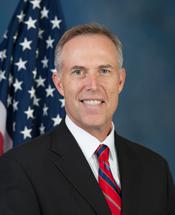
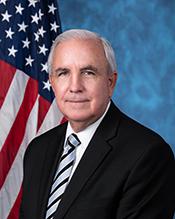

Latest Bills
TRAPS Act
Bill HR 4936September 18, 2026
Apples to Apples Comparison Act of 2025
Bill HR 4093September 18, 2026
American Lending Fairness Act of 2026
Bill HR 7866September 18, 2026
Civil Investigative Demand Reform Act of 2025
Bill HR 1653September 18, 2026
American Reserve Modernization Act of 2026
Bill HR 8957September 18, 2026
Preventive Health Savings Act
Bill HR 4464September 18, 2026
PEARL Act
Bill HR 9327September 18, 2026
Medically Tailored Home-Delivered Meals Program Pilot Act
Bill HR 5439September 18, 2026
To designate the facility of the United States Postal Service located at 117 West Lovett Street in Charlotte, Michigan, as the "Francis C. Flaherty Post Office Building".
Bill HR 9570September 18, 2026
To designate the facility of the United States Postal Service located at 1019 Avenue H in Fort Madison, Iowa, as the "Martin L. Graber Post Office".
Bill HR 4707September 18, 2026