0
0
0
Accredited Investor Self-Certification Act
12/31/2022, 5:04 AM
Summary of Bill HR 4753
Bill 117 HR 4753, also known as the Accredited Investor Self-Certification Act, is a piece of legislation currently being considered by the US Congress. The purpose of this bill is to amend the Securities Act of 1933 to allow individuals to self-certify as accredited investors, rather than having to rely on traditional methods of verification.
Under current law, individuals must meet certain income or net worth requirements in order to be considered accredited investors. This status allows them to participate in certain types of private investments that are not available to the general public. However, the process of verifying an individual's accredited investor status can be time-consuming and burdensome.
The Accredited Investor Self-Certification Act seeks to streamline this process by allowing individuals to simply self-certify that they meet the necessary criteria. This would make it easier for individuals to participate in private investments and potentially open up new opportunities for investors and businesses alike. Supporters of the bill argue that it will promote greater access to capital for small businesses and startups, while opponents raise concerns about the potential for fraud and abuse. The bill is currently being debated in Congress, and its ultimate fate remains uncertain.
Under current law, individuals must meet certain income or net worth requirements in order to be considered accredited investors. This status allows them to participate in certain types of private investments that are not available to the general public. However, the process of verifying an individual's accredited investor status can be time-consuming and burdensome.
The Accredited Investor Self-Certification Act seeks to streamline this process by allowing individuals to simply self-certify that they meet the necessary criteria. This would make it easier for individuals to participate in private investments and potentially open up new opportunities for investors and businesses alike. Supporters of the bill argue that it will promote greater access to capital for small businesses and startups, while opponents raise concerns about the potential for fraud and abuse. The bill is currently being debated in Congress, and its ultimate fate remains uncertain.
Congressional Summary of HR 4753
Accredited Investor Self-Certification Act
This bill expands who may be considered an accredited investor for purposes of participating in private offerings of securities. Certain unregistered securities may only be offered to accredited investors.
Specifically, the bill allows an individual to qualify by certifying to the issuer of securities that the individual understands the risks of investment in private issuers. Currently, accredited investors must satisfy certain requirements indicating their reduced exposure to financial risk, including those related to income, net worth, or knowledge and experience.
Read the Full Bill
Current Status of Bill HR 4753
Bill HR 4753 is currently in the status of Bill Introduced since July 28, 2021. Bill HR 4753 was introduced during Congress 117 and was introduced to the House on July 28, 2021. Bill HR 4753's most recent activity was Referred to the House Committee on Financial Services. as of July 28, 2021
Bipartisan Support of Bill HR 4753
Total Number of Sponsors
1Democrat Sponsors
0Republican Sponsors
1Unaffiliated Sponsors
0Total Number of Cosponsors
2Democrat Cosponsors
0Republican Cosponsors
2Unaffiliated Cosponsors
0Policy Area and Potential Impact of Bill HR 4753
Primary Policy Focus
Finance and Financial SectorAlternate Title(s) of Bill HR 4753
To amend the Securities Act of 1933 to permit individuals to self-certify as an accredited investor, and for other purposes.
Accredited Investor Self-Certification Act
Accredited Investor Self-Certification Act
Comments
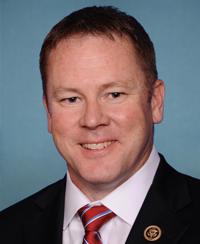
Sponsors and Cosponsors of HR 4753

Latest Bills
TRAPS Act
Bill HR 4936September 18, 2026
Apples to Apples Comparison Act of 2025
Bill HR 4093September 18, 2026
American Lending Fairness Act of 2026
Bill HR 7866September 18, 2026
Civil Investigative Demand Reform Act of 2025
Bill HR 1653September 18, 2026
American Reserve Modernization Act of 2026
Bill HR 8957September 18, 2026
Preventive Health Savings Act
Bill HR 4464September 18, 2026
PEARL Act
Bill HR 9327September 18, 2026
Medically Tailored Home-Delivered Meals Program Pilot Act
Bill HR 5439September 18, 2026
To designate the facility of the United States Postal Service located at 117 West Lovett Street in Charlotte, Michigan, as the "Francis C. Flaherty Post Office Building".
Bill HR 9570September 18, 2026
To designate the facility of the United States Postal Service located at 1019 Avenue H in Fort Madison, Iowa, as the "Martin L. Graber Post Office".
Bill HR 4707September 18, 2026