0
0
0
Grace Hopper Code for Us Act
12/31/2022, 5:04 AM
Summary of Bill HR 4745
Bill 117 HR 4745, also known as the Grace Hopper Code for Us Act, is a piece of legislation introduced in the US Congress. The bill is named after Grace Hopper, a pioneering computer scientist and US Navy rear admiral.
The main goal of the Grace Hopper Code for Us Act is to increase diversity and inclusion in the technology sector by providing funding for coding education programs for underrepresented groups. The bill aims to address the lack of diversity in the tech industry by supporting initiatives that provide coding education and training to women, minorities, and other marginalized communities.
Specifically, the bill allocates funding to organizations that offer coding bootcamps, workshops, and other educational programs focused on teaching coding skills to individuals from underrepresented backgrounds. The goal is to help these individuals gain the skills and knowledge needed to pursue careers in technology and increase their representation in the industry. Overall, the Grace Hopper Code for Us Act seeks to promote diversity and inclusion in the technology sector by providing resources and support for coding education programs targeted at underrepresented groups. The bill is currently being considered by Congress and has garnered support from advocates for diversity in the tech industry.
The main goal of the Grace Hopper Code for Us Act is to increase diversity and inclusion in the technology sector by providing funding for coding education programs for underrepresented groups. The bill aims to address the lack of diversity in the tech industry by supporting initiatives that provide coding education and training to women, minorities, and other marginalized communities.
Specifically, the bill allocates funding to organizations that offer coding bootcamps, workshops, and other educational programs focused on teaching coding skills to individuals from underrepresented backgrounds. The goal is to help these individuals gain the skills and knowledge needed to pursue careers in technology and increase their representation in the industry. Overall, the Grace Hopper Code for Us Act seeks to promote diversity and inclusion in the technology sector by providing resources and support for coding education programs targeted at underrepresented groups. The bill is currently being considered by Congress and has garnered support from advocates for diversity in the tech industry.
Congressional Summary of HR 4745
Grace Hopper Code for Us Act
This bill establishes a program through which the Department of Education must award grants to institutions of higher education (IHEs) to develop and implement courses of instruction related to critical legacy computer languages (e.g., COBOL, Assembly, and PL/I).
In addition, the Government Accountability Office must report on the critical legacy computer languages that (1) are used by the federal government, and (2) are not commonly taught in a course at an IHE.
Read the Full Bill
Current Status of Bill HR 4745
Bill HR 4745 is currently in the status of Bill Introduced since July 28, 2021. Bill HR 4745 was introduced during Congress 117 and was introduced to the House on July 28, 2021. Bill HR 4745's most recent activity was Referred to the House Committee on Education and Labor. as of July 28, 2021
Bipartisan Support of Bill HR 4745
Total Number of Sponsors
1Democrat Sponsors
1Republican Sponsors
0Unaffiliated Sponsors
0Total Number of Cosponsors
10Democrat Cosponsors
10Republican Cosponsors
0Unaffiliated Cosponsors
0Policy Area and Potential Impact of Bill HR 4745
Primary Policy Focus
EducationAlternate Title(s) of Bill HR 4745
To establish a program to make grants to institutions of higher education to provide courses relating to critical legacy computer languages, and for other purposes.
Grace Hopper Code for Us Act
Grace Hopper Code for Us Act
Comments
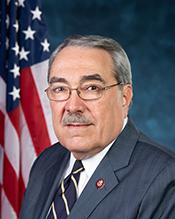
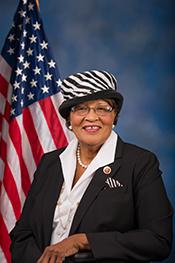
Sponsors and Cosponsors of HR 4745




Latest Bills
TRAPS Act
Bill HR 4936September 18, 2026
Apples to Apples Comparison Act of 2025
Bill HR 4093September 18, 2026
American Lending Fairness Act of 2026
Bill HR 7866September 18, 2026
Civil Investigative Demand Reform Act of 2025
Bill HR 1653September 18, 2026
American Reserve Modernization Act of 2026
Bill HR 8957September 18, 2026
Preventive Health Savings Act
Bill HR 4464September 18, 2026
PEARL Act
Bill HR 9327September 18, 2026
Medically Tailored Home-Delivered Meals Program Pilot Act
Bill HR 5439September 18, 2026
To designate the facility of the United States Postal Service located at 117 West Lovett Street in Charlotte, Michigan, as the "Francis C. Flaherty Post Office Building".
Bill HR 9570September 18, 2026
To designate the facility of the United States Postal Service located at 1019 Avenue H in Fort Madison, Iowa, as the "Martin L. Graber Post Office".
Bill HR 4707September 18, 2026