0
0
0
Supermarket Tax Credit for Underserved Areas Act
12/31/2022, 5:05 AM
Summary of Bill HR 4687
Bill 117 HR 4687, also known as the Supermarket Tax Credit for Underserved Areas Act, is a piece of legislation introduced in the US Congress. The main goal of this bill is to incentivize the development of supermarkets in underserved areas across the country.
The bill proposes to provide tax credits to supermarket developers who choose to build or expand their businesses in areas that are currently lacking access to fresh and healthy food options. These underserved areas are often referred to as "food deserts" and are typically low-income communities where residents have limited access to grocery stores that offer a variety of nutritious food choices.
By offering tax credits to supermarket developers, the bill aims to encourage investment in these underserved areas, ultimately increasing access to fresh and healthy food options for residents. This, in turn, can help improve the overall health and well-being of the communities affected. Supporters of the bill argue that increasing access to fresh and healthy food options in underserved areas can help combat issues such as obesity, diabetes, and other health disparities that are often prevalent in these communities. They believe that providing tax incentives to supermarket developers is a practical and effective way to address these issues. Opponents of the bill may argue that providing tax credits to supermarket developers could be seen as government interference in the free market. They may also raise concerns about the potential cost of implementing the tax credit program and question its effectiveness in addressing the root causes of food deserts. Overall, the Supermarket Tax Credit for Underserved Areas Act is a proposed piece of legislation that aims to address the issue of food deserts by incentivizing supermarket development in underserved communities through tax credits. Its ultimate impact and effectiveness will depend on how it is implemented and enforced if it is passed into law.
The bill proposes to provide tax credits to supermarket developers who choose to build or expand their businesses in areas that are currently lacking access to fresh and healthy food options. These underserved areas are often referred to as "food deserts" and are typically low-income communities where residents have limited access to grocery stores that offer a variety of nutritious food choices.
By offering tax credits to supermarket developers, the bill aims to encourage investment in these underserved areas, ultimately increasing access to fresh and healthy food options for residents. This, in turn, can help improve the overall health and well-being of the communities affected. Supporters of the bill argue that increasing access to fresh and healthy food options in underserved areas can help combat issues such as obesity, diabetes, and other health disparities that are often prevalent in these communities. They believe that providing tax incentives to supermarket developers is a practical and effective way to address these issues. Opponents of the bill may argue that providing tax credits to supermarket developers could be seen as government interference in the free market. They may also raise concerns about the potential cost of implementing the tax credit program and question its effectiveness in addressing the root causes of food deserts. Overall, the Supermarket Tax Credit for Underserved Areas Act is a proposed piece of legislation that aims to address the issue of food deserts by incentivizing supermarket development in underserved communities through tax credits. Its ultimate impact and effectiveness will depend on how it is implemented and enforced if it is passed into law.
Congressional Summary of HR 4687
Supermarket Tax Credit for Underserved Areas Act
This bill expands the tax credits that are available for the establishment of supermarkets in underserved areas. The bill includes provisions that (1) increase the rate of the rehabilitation tax credit for a supermarket building placed in service after December 31, 2021, and before January 1, 2025, in an underserved area; (2) increase by $1,000 the limit on wages eligible for the work opportunity tax credit for employees of a new underserved area supermarket; and (3) allow a business-related tax credit for 15% of the gross receipts from the retail sale of fresh fruits and vegetables in a new underserved area supermarket.
Read the Full Bill
Current Status of Bill HR 4687
Bill HR 4687 is currently in the status of Bill Introduced since July 26, 2021. Bill HR 4687 was introduced during Congress 117 and was introduced to the House on July 26, 2021. Bill HR 4687's most recent activity was Referred to the House Committee on Ways and Means. as of July 26, 2021
Bipartisan Support of Bill HR 4687
Total Number of Sponsors
1Democrat Sponsors
1Republican Sponsors
0Unaffiliated Sponsors
0Total Number of Cosponsors
28Democrat Cosponsors
26Republican Cosponsors
2Unaffiliated Cosponsors
0Policy Area and Potential Impact of Bill HR 4687
Primary Policy Focus
TaxationPotential Impact Areas
- Business investment and capital
- Employee hiring
- Food industry and services
- Fruit and vegetables
- Income tax credits
- Retail and wholesale trades
- Wages and earnings
Alternate Title(s) of Bill HR 4687
To amend the Internal Revenue Code of 1986 to provide tax incentives for the establishment of supermarkets in certain underserved areas.
Supermarket Tax Credit for Underserved Areas Act
Supermarket Tax Credit for Underserved Areas Act
Comments
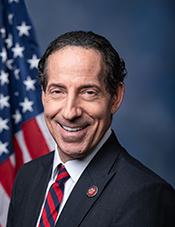
Sponsors and Cosponsors of HR 4687





Latest Bills
TRAPS Act
Bill HR 4936September 18, 2026
Apples to Apples Comparison Act of 2025
Bill HR 4093September 18, 2026
American Lending Fairness Act of 2026
Bill HR 7866September 18, 2026
Civil Investigative Demand Reform Act of 2025
Bill HR 1653September 18, 2026
American Reserve Modernization Act of 2026
Bill HR 8957September 18, 2026
Preventive Health Savings Act
Bill HR 4464September 18, 2026
PEARL Act
Bill HR 9327September 18, 2026
Medically Tailored Home-Delivered Meals Program Pilot Act
Bill HR 5439September 18, 2026
To designate the facility of the United States Postal Service located at 117 West Lovett Street in Charlotte, Michigan, as the "Francis C. Flaherty Post Office Building".
Bill HR 9570September 18, 2026
To designate the facility of the United States Postal Service located at 1019 Avenue H in Fort Madison, Iowa, as the "Martin L. Graber Post Office".
Bill HR 4707September 18, 2026