0
0
0
ALYSSA Act
12/30/2022, 9:29 PM
Summary of Bill HR 3661
The Alyssa Act, also known as Bill 117 HR 3661, is a piece of legislation introduced in the US Congress with the aim of improving school safety measures. The bill is named after Alyssa Alhadeff, one of the victims of the tragic shooting at Marjory Stoneman Douglas High School in Parkland, Florida in 2018.
The Alyssa Act specifically focuses on enhancing communication between schools and law enforcement agencies in the event of an emergency. It requires schools to install silent panic alarms that can be activated in case of a threat or emergency situation. These alarms would immediately alert local law enforcement, allowing for a quicker response time and potentially saving lives.
Additionally, the Alyssa Act mandates that schools develop and implement comprehensive emergency response plans that include protocols for responding to active shooter situations. This would ensure that both students and staff are prepared and know how to react in the event of a crisis. Overall, the Alyssa Act aims to improve school safety and security measures by enhancing communication and response protocols in the event of an emergency. It is a bipartisan effort to prevent future tragedies like the one that occurred at Marjory Stoneman Douglas High School.
The Alyssa Act specifically focuses on enhancing communication between schools and law enforcement agencies in the event of an emergency. It requires schools to install silent panic alarms that can be activated in case of a threat or emergency situation. These alarms would immediately alert local law enforcement, allowing for a quicker response time and potentially saving lives.
Additionally, the Alyssa Act mandates that schools develop and implement comprehensive emergency response plans that include protocols for responding to active shooter situations. This would ensure that both students and staff are prepared and know how to react in the event of a crisis. Overall, the Alyssa Act aims to improve school safety and security measures by enhancing communication and response protocols in the event of an emergency. It is a bipartisan effort to prevent future tragedies like the one that occurred at Marjory Stoneman Douglas High School.
Congressional Summary of HR 3661
Alyssa's Legacy Youth in Schools Safety Alert Act or the ALYSSA Act
This bill addresses school security by requiring silent panic alarms in elementary and secondary schools and reauthorizing a program to train school resource officers.
First, the bill requires that each elementary and secondary school have a silent alarm to alert local law enforcement authorities and emergency responders about a safety issue at the school.
Further, the bill conditions receipt of funds by a local educational agency (LEA) upon each elementary and secondary school served by the LEA being equipped with at least one panic alarm for use in a school emergency.
The bill reauthorizes for FY2021-FY2030 the school resource officers program.
Read the Full Bill
Current Status of Bill HR 3661
Bill HR 3661 is currently in the status of Bill Introduced since June 1, 2021. Bill HR 3661 was introduced during Congress 117 and was introduced to the House on June 1, 2021. Bill HR 3661's most recent activity was Referred to the Subcommittee on Crime, Terrorism, and Homeland Security. as of November 1, 2022
Bipartisan Support of Bill HR 3661
Total Number of Sponsors
1Democrat Sponsors
1Republican Sponsors
0Unaffiliated Sponsors
0Total Number of Cosponsors
20Democrat Cosponsors
10Republican Cosponsors
10Unaffiliated Cosponsors
0Policy Area and Potential Impact of Bill HR 3661
Primary Policy Focus
EducationAlternate Title(s) of Bill HR 3661
To amend the Elementary and Secondary Education Act of 1965 and the Omnibus Crime Control and Safe Streets Act of 1968 to require silent alarms in elementary schools and secondary schools, and for other purposes.
ALYSSA Act
ALYSSA Act
Alyssa’s Legacy Youth in Schools Safety Alert Act
Comments
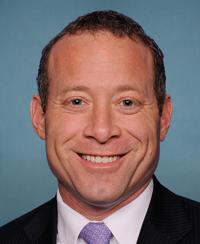
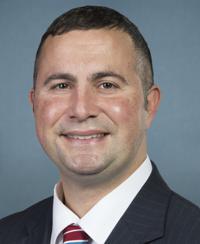
Sponsors and Cosponsors of HR 3661




Latest Bills
TRAPS Act
Bill HR 4936September 18, 2026
Apples to Apples Comparison Act of 2025
Bill HR 4093September 18, 2026
American Lending Fairness Act of 2026
Bill HR 7866September 18, 2026
Civil Investigative Demand Reform Act of 2025
Bill HR 1653September 18, 2026
American Reserve Modernization Act of 2026
Bill HR 8957September 18, 2026
Preventive Health Savings Act
Bill HR 4464September 18, 2026
PEARL Act
Bill HR 9327September 18, 2026
Medically Tailored Home-Delivered Meals Program Pilot Act
Bill HR 5439September 18, 2026
To designate the facility of the United States Postal Service located at 117 West Lovett Street in Charlotte, Michigan, as the "Francis C. Flaherty Post Office Building".
Bill HR 9570September 18, 2026
To designate the facility of the United States Postal Service located at 1019 Avenue H in Fort Madison, Iowa, as the "Martin L. Graber Post Office".
Bill HR 4707September 18, 2026