0
0
0
Measuring the Economic Impact of Broadband Act of 2018
4/7/2025, 1:48 PM
Summary of Bill S 645
Bill 115 s 645, also known as the Measuring the Economic Impact of Broadband Act of 2018, is a piece of legislation introduced in the US Congress. The purpose of this bill is to require the Department of Commerce to conduct a study on the economic impact of broadband access in the United States.
The bill mandates that the Department of Commerce, specifically the National Telecommunications and Information Administration (NTIA), conduct a comprehensive study to assess the economic benefits of broadband access in both urban and rural areas. The study will analyze how broadband access affects job creation, economic growth, and overall productivity in various sectors of the economy.
Additionally, the bill requires the NTIA to evaluate the impact of broadband access on small businesses, healthcare, education, and other key industries. The study will also examine the disparities in broadband access between different regions and demographic groups, with a focus on identifying barriers to access and potential solutions to bridge the digital divide. Overall, the Measuring the Economic Impact of Broadband Act of 2018 aims to provide policymakers with valuable data and insights to inform future decisions on expanding broadband infrastructure and improving access for all Americans. This bill highlights the importance of broadband access in driving economic development and ensuring that all individuals and communities have the opportunity to benefit from the digital economy.
The bill mandates that the Department of Commerce, specifically the National Telecommunications and Information Administration (NTIA), conduct a comprehensive study to assess the economic benefits of broadband access in both urban and rural areas. The study will analyze how broadband access affects job creation, economic growth, and overall productivity in various sectors of the economy.
Additionally, the bill requires the NTIA to evaluate the impact of broadband access on small businesses, healthcare, education, and other key industries. The study will also examine the disparities in broadband access between different regions and demographic groups, with a focus on identifying barriers to access and potential solutions to bridge the digital divide. Overall, the Measuring the Economic Impact of Broadband Act of 2018 aims to provide policymakers with valuable data and insights to inform future decisions on expanding broadband infrastructure and improving access for all Americans. This bill highlights the importance of broadband access in driving economic development and ensuring that all individuals and communities have the opportunity to benefit from the digital economy.
Current Status of Bill S 645
Bill S 645 is currently in the status of Bill Introduced since March 15, 2017. Bill S 645 was introduced during Congress 115 and was introduced to the Senate on March 15, 2017. Bill S 645's most recent activity was Held at the desk. as of December 19, 2018
Bipartisan Support of Bill S 645
Total Number of Sponsors
1Democrat Sponsors
1Republican Sponsors
0Unaffiliated Sponsors
0Total Number of Cosponsors
0Democrat Cosponsors
0Republican Cosponsors
0Unaffiliated Cosponsors
0Policy Area and Potential Impact of Bill S 645
Primary Policy Focus
Science, Technology, CommunicationsComments
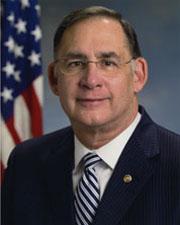
Sponsors and Cosponsors of S 645





Latest Bills
TRAPS Act
Bill HR 4936September 18, 2026
Apples to Apples Comparison Act of 2025
Bill HR 4093September 18, 2026
American Lending Fairness Act of 2026
Bill HR 7866September 18, 2026
Civil Investigative Demand Reform Act of 2025
Bill HR 1653September 18, 2026
American Reserve Modernization Act of 2026
Bill HR 8957September 18, 2026
Preventive Health Savings Act
Bill HR 4464September 18, 2026
PEARL Act
Bill HR 9327September 18, 2026
Medically Tailored Home-Delivered Meals Program Pilot Act
Bill HR 5439September 18, 2026
To designate the facility of the United States Postal Service located at 117 West Lovett Street in Charlotte, Michigan, as the "Francis C. Flaherty Post Office Building".
Bill HR 9570September 18, 2026
To designate the facility of the United States Postal Service located at 1019 Avenue H in Fort Madison, Iowa, as the "Martin L. Graber Post Office".
Bill HR 4707September 18, 2026