0
0
0
Preventing Emerging Threats Act of 2018
4/7/2025, 1:48 PM
Summary of Bill S 2836
Bill 115 s 2836, also known as the Preventing Emerging Threats Act of 2018, is a piece of legislation introduced in the US Congress with the aim of addressing the growing concern of emerging threats posed by unmanned aircraft systems (UAS), commonly known as drones.
The bill seeks to grant additional authority to the Department of Homeland Security (DHS) and the Department of Justice (DOJ) to detect, track, and mitigate potential threats posed by drones in sensitive areas such as airports, government buildings, and other critical infrastructure. It also aims to enhance coordination between federal, state, and local law enforcement agencies in responding to drone-related incidents.
Furthermore, the Preventing Emerging Threats Act of 2018 includes provisions to protect privacy rights by requiring the DHS and DOJ to develop guidelines for the use of counter-drone technology that minimize the collection of personally identifiable information and ensure compliance with existing laws and regulations. Overall, the bill is designed to address the evolving challenges posed by the proliferation of drones and to provide law enforcement agencies with the tools and authority needed to effectively respond to potential threats while safeguarding the privacy rights of individuals.
The bill seeks to grant additional authority to the Department of Homeland Security (DHS) and the Department of Justice (DOJ) to detect, track, and mitigate potential threats posed by drones in sensitive areas such as airports, government buildings, and other critical infrastructure. It also aims to enhance coordination between federal, state, and local law enforcement agencies in responding to drone-related incidents.
Furthermore, the Preventing Emerging Threats Act of 2018 includes provisions to protect privacy rights by requiring the DHS and DOJ to develop guidelines for the use of counter-drone technology that minimize the collection of personally identifiable information and ensure compliance with existing laws and regulations. Overall, the bill is designed to address the evolving challenges posed by the proliferation of drones and to provide law enforcement agencies with the tools and authority needed to effectively respond to potential threats while safeguarding the privacy rights of individuals.
Current Status of Bill S 2836
Bill S 2836 is currently in the status of Bill Introduced since May 14, 2018. Bill S 2836 was introduced during Congress 115 and was introduced to the Senate on May 14, 2018. Bill S 2836's most recent activity was Committee on Homeland Security and Governmental Affairs. Hearings held. Hearings printed: S.Hrg. 115-588. as of September 13, 2018
Bipartisan Support of Bill S 2836
Total Number of Sponsors
1Democrat Sponsors
0Republican Sponsors
1Unaffiliated Sponsors
0Total Number of Cosponsors
0Democrat Cosponsors
0Republican Cosponsors
0Unaffiliated Cosponsors
0Policy Area and Potential Impact of Bill S 2836
Primary Policy Focus
Emergency ManagementComments
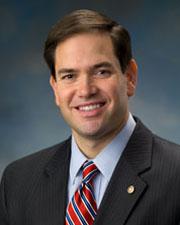
Sponsors and Cosponsors of S 2836




Latest Bills
TRAPS Act
Bill HR 4936September 18, 2026
Apples to Apples Comparison Act of 2025
Bill HR 4093September 18, 2026
American Lending Fairness Act of 2026
Bill HR 7866September 18, 2026
Civil Investigative Demand Reform Act of 2025
Bill HR 1653September 18, 2026
American Reserve Modernization Act of 2026
Bill HR 8957September 18, 2026
Preventive Health Savings Act
Bill HR 4464September 18, 2026
PEARL Act
Bill HR 9327September 18, 2026
Medically Tailored Home-Delivered Meals Program Pilot Act
Bill HR 5439September 18, 2026
To designate the facility of the United States Postal Service located at 117 West Lovett Street in Charlotte, Michigan, as the "Francis C. Flaherty Post Office Building".
Bill HR 9570September 18, 2026
To designate the facility of the United States Postal Service located at 1019 Avenue H in Fort Madison, Iowa, as the "Martin L. Graber Post Office".
Bill HR 4707September 18, 2026