1
1
1
Energy Savings Through Public-Private Partnerships Act of 2017
4/7/2025, 3:42 PM
Summary of Bill S 239
Bill 115 s 239, also known as the Energy Savings Through Public-Private Partnerships Act of 2017, is a piece of legislation introduced in the US Congress. The main goal of this bill is to promote energy efficiency in public buildings through partnerships between government agencies and private sector companies.
The bill outlines a framework for these partnerships, including guidelines for selecting projects, financing mechanisms, and reporting requirements. It also encourages the use of innovative technologies and practices to maximize energy savings and reduce costs.
One key provision of the bill is the establishment of a Federal Energy Management Program, which would provide technical assistance and resources to help agencies implement energy-saving projects. The program would also track and report on the progress of these projects to ensure accountability and transparency. Overall, the Energy Savings Through Public-Private Partnerships Act of 2017 aims to improve energy efficiency in public buildings, reduce energy costs, and promote collaboration between government and private sector entities. It is seen as a positive step towards achieving sustainability and cost savings in the public sector.
The bill outlines a framework for these partnerships, including guidelines for selecting projects, financing mechanisms, and reporting requirements. It also encourages the use of innovative technologies and practices to maximize energy savings and reduce costs.
One key provision of the bill is the establishment of a Federal Energy Management Program, which would provide technical assistance and resources to help agencies implement energy-saving projects. The program would also track and report on the progress of these projects to ensure accountability and transparency. Overall, the Energy Savings Through Public-Private Partnerships Act of 2017 aims to improve energy efficiency in public buildings, reduce energy costs, and promote collaboration between government and private sector entities. It is seen as a positive step towards achieving sustainability and cost savings in the public sector.
Current Status of Bill S 239
Bill S 239 is currently in the status of Bill Introduced since January 30, 2017. Bill S 239 was introduced during Congress 115 and was introduced to the Senate on January 30, 2017. Bill S 239's most recent activity was Placed on Senate Legislative Calendar under General Orders. Calendar No. 98. as of May 24, 2017
Bipartisan Support of Bill S 239
Total Number of Sponsors
1Democrat Sponsors
0Republican Sponsors
1Unaffiliated Sponsors
0Total Number of Cosponsors
0Democrat Cosponsors
0Republican Cosponsors
0Unaffiliated Cosponsors
0Policy Area and Potential Impact of Bill S 239
Primary Policy Focus
EnergyComments
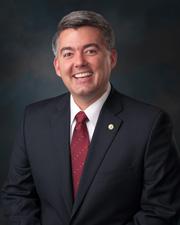
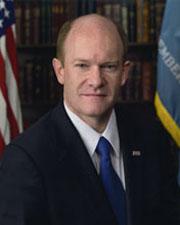
Sponsors and Cosponsors of S 239

Latest Bills
TRAPS Act
Bill HR 4936September 18, 2026
Apples to Apples Comparison Act of 2025
Bill HR 4093September 18, 2026
American Lending Fairness Act of 2026
Bill HR 7866September 18, 2026
Civil Investigative Demand Reform Act of 2025
Bill HR 1653September 18, 2026
American Reserve Modernization Act of 2026
Bill HR 8957September 18, 2026
Preventive Health Savings Act
Bill HR 4464September 18, 2026
PEARL Act
Bill HR 9327September 18, 2026
Medically Tailored Home-Delivered Meals Program Pilot Act
Bill HR 5439September 18, 2026
To designate the facility of the United States Postal Service located at 117 West Lovett Street in Charlotte, Michigan, as the "Francis C. Flaherty Post Office Building".
Bill HR 9570September 18, 2026
To designate the facility of the United States Postal Service located at 1019 Avenue H in Fort Madison, Iowa, as the "Martin L. Graber Post Office".
Bill HR 4707September 18, 2026