0
0
0
Providing for consideration of the bill (H.R. 1180) to amend the Fair Labor Standards Act of 1938 to provide compensatory time for employees in the private sector; providing for proceedings during the period from May 5, 2017, through May 15, 2017; and for other purposes.
4/7/2025, 3:21 PM
Summary of Bill HRES 299
Bill H.Res. 299, also known as the Working Families Flexibility Act, is a piece of legislation that aims to amend the Fair Labor Standards Act of 1938 to allow private sector employees to receive compensatory time off instead of overtime pay. This bill was introduced in the US Congress to provide more flexibility for employees in managing their work-life balance.
The bill outlines that employees who work more than 40 hours in a week can choose to receive compensatory time off at a rate of 1.5 hours for every hour of overtime worked. This time off can be used at a later date, subject to the employer's approval. The bill also includes provisions to ensure that employees are not coerced or forced to choose compensatory time off over overtime pay.
H.Res. 299 sets forth the rules for considering H.R. 1180, the main bill that would amend the Fair Labor Standards Act. It also outlines the procedures and schedule for the legislative proceedings from May 5, 2017, through May 15, 2017. Overall, the bill aims to provide employees with more flexibility in managing their work schedules and personal lives, while also ensuring that they are fairly compensated for their work. It is important to note that this summary is non-partisan and focuses on the factual details of the legislation.
The bill outlines that employees who work more than 40 hours in a week can choose to receive compensatory time off at a rate of 1.5 hours for every hour of overtime worked. This time off can be used at a later date, subject to the employer's approval. The bill also includes provisions to ensure that employees are not coerced or forced to choose compensatory time off over overtime pay.
H.Res. 299 sets forth the rules for considering H.R. 1180, the main bill that would amend the Fair Labor Standards Act. It also outlines the procedures and schedule for the legislative proceedings from May 5, 2017, through May 15, 2017. Overall, the bill aims to provide employees with more flexibility in managing their work schedules and personal lives, while also ensuring that they are fairly compensated for their work. It is important to note that this summary is non-partisan and focuses on the factual details of the legislation.
Current Status of Bill HRES 299
Bill HRES 299 is currently in the status of Bill Introduced since May 1, 2017. Bill HRES 299 was introduced during Congress 115 and was introduced to the House on May 1, 2017. Bill HRES 299's most recent activity was Motion to reconsider laid on the table Agreed to without objection. as of May 2, 2017
Bipartisan Support of Bill HRES 299
Total Number of Sponsors
1Democrat Sponsors
0Republican Sponsors
1Unaffiliated Sponsors
0Total Number of Cosponsors
0Democrat Cosponsors
0Republican Cosponsors
0Unaffiliated Cosponsors
0Policy Area and Potential Impact of Bill HRES 299
Primary Policy Focus
CongressComments
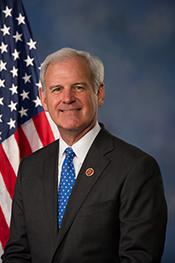
Sponsors and Cosponsors of HRES 299
Latest Bills
TRAPS Act
Bill HR 4936September 18, 2026
Apples to Apples Comparison Act of 2025
Bill HR 4093September 18, 2026
American Lending Fairness Act of 2026
Bill HR 7866September 18, 2026
Civil Investigative Demand Reform Act of 2025
Bill HR 1653September 18, 2026
American Reserve Modernization Act of 2026
Bill HR 8957September 18, 2026
Preventive Health Savings Act
Bill HR 4464September 18, 2026
PEARL Act
Bill HR 9327September 18, 2026
Medically Tailored Home-Delivered Meals Program Pilot Act
Bill HR 5439September 18, 2026
To designate the facility of the United States Postal Service located at 117 West Lovett Street in Charlotte, Michigan, as the "Francis C. Flaherty Post Office Building".
Bill HR 9570September 18, 2026
To designate the facility of the United States Postal Service located at 1019 Avenue H in Fort Madison, Iowa, as the "Martin L. Graber Post Office".
Bill HR 4707September 18, 2026