1
1
1
Veterans Crisis Line Study Act of 2017
4/7/2025, 3:41 PM
Summary of Bill HR 4173
Bill 115 hr 4173, also known as the Veterans Crisis Line Study Act of 2017, is a piece of legislation introduced in the US Congress. The purpose of this bill is to require the Department of Veterans Affairs (VA) to conduct a study on the effectiveness of the Veterans Crisis Line in preventing veteran suicide.
The bill mandates that the study must evaluate the effectiveness of the Veterans Crisis Line in providing timely and appropriate assistance to veterans in crisis. It also requires the VA to assess the training and qualifications of the staff who operate the crisis line, as well as the availability of mental health services for veterans who reach out for help.
Additionally, the bill calls for the VA to submit a report to Congress detailing the findings of the study, along with any recommendations for improving the effectiveness of the Veterans Crisis Line. This report must be submitted within one year of the bill's enactment. Overall, the Veterans Crisis Line Study Act of 2017 aims to ensure that the Veterans Crisis Line is adequately equipped to support veterans in crisis and prevent suicide among this vulnerable population. It highlights the importance of providing timely and effective mental health services to those who have served our country.
The bill mandates that the study must evaluate the effectiveness of the Veterans Crisis Line in providing timely and appropriate assistance to veterans in crisis. It also requires the VA to assess the training and qualifications of the staff who operate the crisis line, as well as the availability of mental health services for veterans who reach out for help.
Additionally, the bill calls for the VA to submit a report to Congress detailing the findings of the study, along with any recommendations for improving the effectiveness of the Veterans Crisis Line. This report must be submitted within one year of the bill's enactment. Overall, the Veterans Crisis Line Study Act of 2017 aims to ensure that the Veterans Crisis Line is adequately equipped to support veterans in crisis and prevent suicide among this vulnerable population. It highlights the importance of providing timely and effective mental health services to those who have served our country.
Current Status of Bill HR 4173
Bill HR 4173 is currently in the status of Bill Introduced since October 31, 2017. Bill HR 4173 was introduced during Congress 115 and was introduced to the House on October 31, 2017. Bill HR 4173's most recent activity was Received in the Senate and Read twice and referred to the Committee on Veterans' Affairs. as of November 9, 2017
Bipartisan Support of Bill HR 4173
Total Number of Sponsors
1Democrat Sponsors
0Republican Sponsors
1Unaffiliated Sponsors
0Total Number of Cosponsors
0Democrat Cosponsors
0Republican Cosponsors
0Unaffiliated Cosponsors
0Policy Area and Potential Impact of Bill HR 4173
Primary Policy Focus
Armed Forces and National SecurityComments
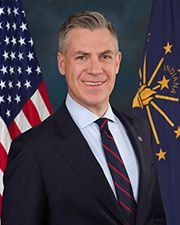
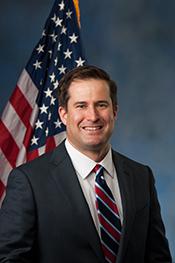
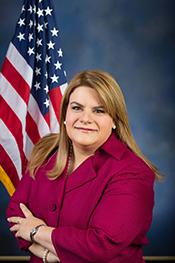
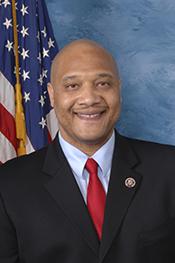
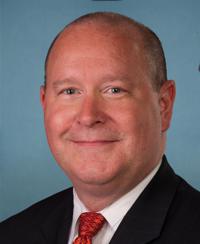
Sponsors and Cosponsors of HR 4173

Latest Bills
TRAPS Act
Bill HR 4936September 18, 2026
Apples to Apples Comparison Act of 2025
Bill HR 4093September 18, 2026
American Lending Fairness Act of 2026
Bill HR 7866September 18, 2026
Civil Investigative Demand Reform Act of 2025
Bill HR 1653September 18, 2026
American Reserve Modernization Act of 2026
Bill HR 8957September 18, 2026
Preventive Health Savings Act
Bill HR 4464September 18, 2026
PEARL Act
Bill HR 9327September 18, 2026
Medically Tailored Home-Delivered Meals Program Pilot Act
Bill HR 5439September 18, 2026
To designate the facility of the United States Postal Service located at 117 West Lovett Street in Charlotte, Michigan, as the "Francis C. Flaherty Post Office Building".
Bill HR 9570September 18, 2026
To designate the facility of the United States Postal Service located at 1019 Avenue H in Fort Madison, Iowa, as the "Martin L. Graber Post Office".
Bill HR 4707September 18, 2026