0
0
0
VETS Act of 2017
4/7/2025, 3:41 PM
Summary of Bill HR 2123
Bill 115 hr 2123, also known as the VETS Act of 2017, is a piece of legislation introduced in the US Congress aimed at improving the healthcare services provided to veterans. The bill focuses on expanding access to telemedicine services for veterans, particularly those living in rural or underserved areas.
One of the key provisions of the VETS Act is the authorization for Department of Veterans Affairs (VA) healthcare providers to practice telemedicine across state lines. This means that veterans can receive medical care from VA providers via video conferencing or other remote technologies, regardless of where they are located. This is intended to address the issue of long wait times and limited access to healthcare services for veterans in remote areas.
Additionally, the bill includes provisions to improve the coordination of care between VA providers and non-VA providers, as well as to enhance the training and education of VA healthcare professionals in the use of telemedicine technologies. The goal is to ensure that veterans receive high-quality, timely care no matter where they are located. Overall, the VETS Act of 2017 aims to modernize and improve the delivery of healthcare services to veterans, particularly those who face barriers to accessing traditional in-person care. By expanding access to telemedicine services and promoting greater coordination of care, the bill seeks to ensure that veterans receive the care they need in a timely and efficient manner.
One of the key provisions of the VETS Act is the authorization for Department of Veterans Affairs (VA) healthcare providers to practice telemedicine across state lines. This means that veterans can receive medical care from VA providers via video conferencing or other remote technologies, regardless of where they are located. This is intended to address the issue of long wait times and limited access to healthcare services for veterans in remote areas.
Additionally, the bill includes provisions to improve the coordination of care between VA providers and non-VA providers, as well as to enhance the training and education of VA healthcare professionals in the use of telemedicine technologies. The goal is to ensure that veterans receive high-quality, timely care no matter where they are located. Overall, the VETS Act of 2017 aims to modernize and improve the delivery of healthcare services to veterans, particularly those who face barriers to accessing traditional in-person care. By expanding access to telemedicine services and promoting greater coordination of care, the bill seeks to ensure that veterans receive the care they need in a timely and efficient manner.
Current Status of Bill HR 2123
Bill HR 2123 is currently in the status of Bill Introduced since April 25, 2017. Bill HR 2123 was introduced during Congress 115 and was introduced to the House on April 25, 2017. Bill HR 2123's most recent activity was Received in the Senate and Read twice and referred to the Committee on Veterans' Affairs. as of November 8, 2017
Bipartisan Support of Bill HR 2123
Total Number of Sponsors
1Democrat Sponsors
0Republican Sponsors
1Unaffiliated Sponsors
0Total Number of Cosponsors
0Democrat Cosponsors
0Republican Cosponsors
0Unaffiliated Cosponsors
0Policy Area and Potential Impact of Bill HR 2123
Primary Policy Focus
Armed Forces and National SecurityComments
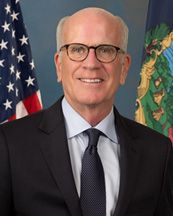
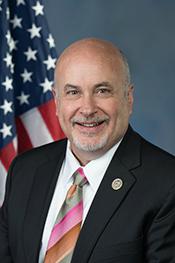
Sponsors and Cosponsors of HR 2123




Latest Bills
TRAPS Act
Bill HR 4936September 18, 2026
Apples to Apples Comparison Act of 2025
Bill HR 4093September 18, 2026
American Lending Fairness Act of 2026
Bill HR 7866September 18, 2026
Civil Investigative Demand Reform Act of 2025
Bill HR 1653September 18, 2026
American Reserve Modernization Act of 2026
Bill HR 8957September 18, 2026
Preventive Health Savings Act
Bill HR 4464September 18, 2026
PEARL Act
Bill HR 9327September 18, 2026
Medically Tailored Home-Delivered Meals Program Pilot Act
Bill HR 5439September 18, 2026
To designate the facility of the United States Postal Service located at 117 West Lovett Street in Charlotte, Michigan, as the "Francis C. Flaherty Post Office Building".
Bill HR 9570September 18, 2026
To designate the facility of the United States Postal Service located at 1019 Avenue H in Fort Madison, Iowa, as the "Martin L. Graber Post Office".
Bill HR 4707September 18, 2026