0
0
0
VA Management Alignment Act of 2017
4/7/2025, 3:41 PM
Summary of Bill HR 1066
Bill 115 hr 1066, also known as the VA Management Alignment Act of 2017, aims to improve the management and operations of the Department of Veterans Affairs (VA). The bill was introduced in the House of Representatives on February 15, 2017 by Representative Phil Roe of Tennessee.
The main purpose of the bill is to reorganize and realign the management structure of the VA in order to improve efficiency and effectiveness in providing services to veterans. The bill calls for the establishment of a Chief Operating Officer (COO) position within the VA, who would be responsible for overseeing the day-to-day operations of the department.
Additionally, the bill seeks to streamline the decision-making process within the VA by requiring the COO to report directly to the Secretary of Veterans Affairs. This would help to ensure that important decisions are made in a timely manner and that resources are allocated efficiently. Furthermore, the bill includes provisions for the establishment of performance metrics and accountability measures to track the progress of the VA in meeting its goals and objectives. This would help to ensure that the department is held accountable for its performance and that improvements are made where necessary. Overall, the VA Management Alignment Act of 2017 aims to improve the management and operations of the VA in order to better serve the needs of our nation's veterans. The bill has received bipartisan support in Congress and is currently under consideration in the House Committee on Veterans' Affairs.
The main purpose of the bill is to reorganize and realign the management structure of the VA in order to improve efficiency and effectiveness in providing services to veterans. The bill calls for the establishment of a Chief Operating Officer (COO) position within the VA, who would be responsible for overseeing the day-to-day operations of the department.
Additionally, the bill seeks to streamline the decision-making process within the VA by requiring the COO to report directly to the Secretary of Veterans Affairs. This would help to ensure that important decisions are made in a timely manner and that resources are allocated efficiently. Furthermore, the bill includes provisions for the establishment of performance metrics and accountability measures to track the progress of the VA in meeting its goals and objectives. This would help to ensure that the department is held accountable for its performance and that improvements are made where necessary. Overall, the VA Management Alignment Act of 2017 aims to improve the management and operations of the VA in order to better serve the needs of our nation's veterans. The bill has received bipartisan support in Congress and is currently under consideration in the House Committee on Veterans' Affairs.
Current Status of Bill HR 1066
Bill HR 1066 is currently in the status of Bill Introduced since February 15, 2017. Bill HR 1066 was introduced during Congress 115 and was introduced to the House on February 15, 2017. Bill HR 1066's most recent activity was Received in the Senate and Read twice and referred to the Committee on Veterans' Affairs. as of November 7, 2017
Bipartisan Support of Bill HR 1066
Total Number of Sponsors
1Democrat Sponsors
1Republican Sponsors
0Unaffiliated Sponsors
0Total Number of Cosponsors
0Democrat Cosponsors
0Republican Cosponsors
0Unaffiliated Cosponsors
0Policy Area and Potential Impact of Bill HR 1066
Primary Policy Focus
Armed Forces and National SecurityComments
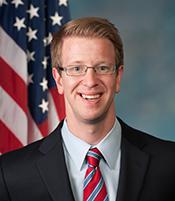
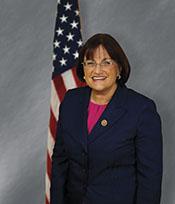
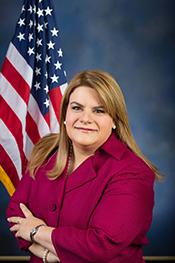
Sponsors and Cosponsors of HR 1066



Latest Bills
TRAPS Act
Bill HR 4936September 18, 2026
Apples to Apples Comparison Act of 2025
Bill HR 4093September 18, 2026
American Lending Fairness Act of 2026
Bill HR 7866September 18, 2026
Civil Investigative Demand Reform Act of 2025
Bill HR 1653September 18, 2026
American Reserve Modernization Act of 2026
Bill HR 8957September 18, 2026
Preventive Health Savings Act
Bill HR 4464September 18, 2026
PEARL Act
Bill HR 9327September 18, 2026
Medically Tailored Home-Delivered Meals Program Pilot Act
Bill HR 5439September 18, 2026
To designate the facility of the United States Postal Service located at 117 West Lovett Street in Charlotte, Michigan, as the "Francis C. Flaherty Post Office Building".
Bill HR 9570September 18, 2026
To designate the facility of the United States Postal Service located at 1019 Avenue H in Fort Madison, Iowa, as the "Martin L. Graber Post Office".
Bill HR 4707September 18, 2026