0
0
0
Presidential Library Donation Reform Act of 2015
4/7/2025, 2:53 PM
Summary of Bill S 558
Bill 114 s 558, also known as the Presidential Library Donation Reform Act of 2015, aims to regulate the donations made to presidential libraries. The bill was introduced in the 114th Congress in 2015.
The main purpose of this bill is to increase transparency and accountability in the donations made to presidential libraries. It requires that any donation over $200 made to a presidential library must be disclosed to the public within 30 days. This includes both monetary donations and donations of goods or services.
Additionally, the bill prohibits foreign governments, foreign political parties, and foreign agents from making donations to presidential libraries. This is to prevent any potential conflicts of interest or influence from foreign entities. The bill also requires that any donation made by a registered lobbyist or lobbying firm must be disclosed to the public. This is to ensure that there is transparency in the donations made by individuals or organizations with a vested interest in influencing government decisions. Overall, the Presidential Library Donation Reform Act of 2015 aims to promote transparency and accountability in the donations made to presidential libraries, in order to prevent any potential conflicts of interest or undue influence on the presidency.
The main purpose of this bill is to increase transparency and accountability in the donations made to presidential libraries. It requires that any donation over $200 made to a presidential library must be disclosed to the public within 30 days. This includes both monetary donations and donations of goods or services.
Additionally, the bill prohibits foreign governments, foreign political parties, and foreign agents from making donations to presidential libraries. This is to prevent any potential conflicts of interest or influence from foreign entities. The bill also requires that any donation made by a registered lobbyist or lobbying firm must be disclosed to the public. This is to ensure that there is transparency in the donations made by individuals or organizations with a vested interest in influencing government decisions. Overall, the Presidential Library Donation Reform Act of 2015 aims to promote transparency and accountability in the donations made to presidential libraries, in order to prevent any potential conflicts of interest or undue influence on the presidency.
Current Status of Bill S 558
Bill S 558 is currently in the status of Bill Introduced since February 25, 2015. Bill S 558 was introduced during Congress 114 and was introduced to the Senate on February 25, 2015. Bill S 558's most recent activity was Placed on Senate Legislative Calendar under General Orders. Calendar No. 119. as of June 15, 2015
Bipartisan Support of Bill S 558
Total Number of Sponsors
1Democrat Sponsors
1Republican Sponsors
0Unaffiliated Sponsors
0Total Number of Cosponsors
0Democrat Cosponsors
0Republican Cosponsors
0Unaffiliated Cosponsors
0Policy Area and Potential Impact of Bill S 558
Primary Policy Focus
Government Operations and PoliticsComments
Sponsors and Cosponsors of S 558


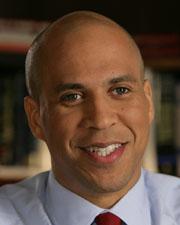
Latest Bills
TRAPS Act
Bill HR 4936September 18, 2026
Apples to Apples Comparison Act of 2025
Bill HR 4093September 18, 2026
American Lending Fairness Act of 2026
Bill HR 7866September 18, 2026
Civil Investigative Demand Reform Act of 2025
Bill HR 1653September 18, 2026
American Reserve Modernization Act of 2026
Bill HR 8957September 18, 2026
Preventive Health Savings Act
Bill HR 4464September 18, 2026
PEARL Act
Bill HR 9327September 18, 2026
Medically Tailored Home-Delivered Meals Program Pilot Act
Bill HR 5439September 18, 2026
To designate the facility of the United States Postal Service located at 117 West Lovett Street in Charlotte, Michigan, as the "Francis C. Flaherty Post Office Building".
Bill HR 9570September 18, 2026
To designate the facility of the United States Postal Service located at 1019 Avenue H in Fort Madison, Iowa, as the "Martin L. Graber Post Office".
Bill HR 4707September 18, 2026