0
0
0
A bill to amend title 46, United States Code, to exempt old vessels that only operate within inland waterways from the fire-retardant materials requirement if the owners of such vessels make annual structural alterations to at least 10 percent of the areas of the vessels that are not constructed of fire-retardant materials.
4/7/2025, 2:56 PM
Summary of Bill S 1717
Bill 114 s 1717, also known as the "Old Vessel Exemption Act," aims to amend title 46 of the United States Code to provide an exemption for old vessels that only operate within inland waterways from the requirement to use fire-retardant materials. This exemption would be granted to owners of such vessels who commit to making annual structural alterations to at least 10 percent of the areas of the vessels that are not constructed of fire-retardant materials.
The purpose of this bill is to provide relief to owners of older vessels that may not meet current fire safety standards, while still ensuring that these vessels are maintained and updated to improve safety. By requiring annual structural alterations to a portion of the vessel, the bill aims to strike a balance between safety and the preservation of historic vessels that may not be able to meet modern fire-retardant material requirements.
If passed, this bill would impact vessels operating solely within inland waterways, exempting them from the fire-retardant materials requirement as long as the owners commit to making regular structural alterations to improve safety. This exemption could provide financial relief to owners of older vessels while still promoting safety measures to protect passengers and crew members.
The purpose of this bill is to provide relief to owners of older vessels that may not meet current fire safety standards, while still ensuring that these vessels are maintained and updated to improve safety. By requiring annual structural alterations to a portion of the vessel, the bill aims to strike a balance between safety and the preservation of historic vessels that may not be able to meet modern fire-retardant material requirements.
If passed, this bill would impact vessels operating solely within inland waterways, exempting them from the fire-retardant materials requirement as long as the owners commit to making regular structural alterations to improve safety. This exemption could provide financial relief to owners of older vessels while still promoting safety measures to protect passengers and crew members.
Current Status of Bill S 1717
Bill S 1717 is currently in the status of Bill Introduced since July 8, 2015. Bill S 1717 was introduced during Congress 114 and was introduced to the Senate on July 8, 2015. Bill S 1717's most recent activity was Placed on Senate Legislative Calendar under General Orders. Calendar No. 658. as of October 27, 2016
Bipartisan Support of Bill S 1717
Total Number of Sponsors
1Democrat Sponsors
1Republican Sponsors
0Unaffiliated Sponsors
0Total Number of Cosponsors
0Democrat Cosponsors
0Republican Cosponsors
0Unaffiliated Cosponsors
0Policy Area and Potential Impact of Bill S 1717
Primary Policy Focus
Transportation and Public WorksComments
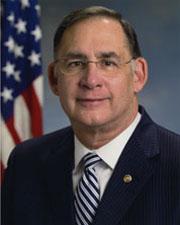
Sponsors and Cosponsors of S 1717



Latest Bills
TRAPS Act
Bill HR 4936September 18, 2026
Apples to Apples Comparison Act of 2025
Bill HR 4093September 18, 2026
American Lending Fairness Act of 2026
Bill HR 7866September 18, 2026
Civil Investigative Demand Reform Act of 2025
Bill HR 1653September 18, 2026
American Reserve Modernization Act of 2026
Bill HR 8957September 18, 2026
Preventive Health Savings Act
Bill HR 4464September 18, 2026
PEARL Act
Bill HR 9327September 18, 2026
Medically Tailored Home-Delivered Meals Program Pilot Act
Bill HR 5439September 18, 2026
To designate the facility of the United States Postal Service located at 117 West Lovett Street in Charlotte, Michigan, as the "Francis C. Flaherty Post Office Building".
Bill HR 9570September 18, 2026
To designate the facility of the United States Postal Service located at 1019 Avenue H in Fort Madison, Iowa, as the "Martin L. Graber Post Office".
Bill HR 4707September 18, 2026