0
0
0
Child Nicotine Poisoning Prevention Act of 2015
4/7/2025, 3:08 PM
Summary of Bill S 142
Bill 114 s 142, also known as the Child Nicotine Poisoning Prevention Act of 2015, was introduced in the US Congress with the aim of addressing the issue of accidental nicotine poisoning among children. The bill sought to require child-resistant packaging for liquid nicotine containers, as well as warning labels on nicotine-containing products.
The bill was a response to the increasing number of cases of children ingesting liquid nicotine, which can be extremely harmful and even fatal. By requiring child-resistant packaging, the bill aimed to reduce the likelihood of accidental ingestion by children. Additionally, the warning labels on nicotine-containing products would serve to educate consumers about the potential dangers of these products.
The Child Nicotine Poisoning Prevention Act of 2015 received bipartisan support in Congress, with lawmakers recognizing the importance of protecting children from the dangers of nicotine poisoning. The bill ultimately passed both the House and Senate and was signed into law by the President. Overall, the Child Nicotine Poisoning Prevention Act of 2015 was a significant piece of legislation aimed at promoting child safety and preventing accidental nicotine poisoning. By requiring child-resistant packaging and warning labels, the bill sought to reduce the risk of harm to children and raise awareness about the dangers of nicotine-containing products.
The bill was a response to the increasing number of cases of children ingesting liquid nicotine, which can be extremely harmful and even fatal. By requiring child-resistant packaging, the bill aimed to reduce the likelihood of accidental ingestion by children. Additionally, the warning labels on nicotine-containing products would serve to educate consumers about the potential dangers of these products.
The Child Nicotine Poisoning Prevention Act of 2015 received bipartisan support in Congress, with lawmakers recognizing the importance of protecting children from the dangers of nicotine poisoning. The bill ultimately passed both the House and Senate and was signed into law by the President. Overall, the Child Nicotine Poisoning Prevention Act of 2015 was a significant piece of legislation aimed at promoting child safety and preventing accidental nicotine poisoning. By requiring child-resistant packaging and warning labels, the bill sought to reduce the risk of harm to children and raise awareness about the dangers of nicotine-containing products.
Current Status of Bill S 142
Bill S 142 is currently in the status of Bill Introduced since January 8, 2015. Bill S 142 was introduced during Congress 114 and was introduced to the Senate on January 8, 2015. Bill S 142's most recent activity was Became Public Law No: 114-116. as of January 28, 2016
Bipartisan Support of Bill S 142
Total Number of Sponsors
1Democrat Sponsors
1Republican Sponsors
0Unaffiliated Sponsors
0Total Number of Cosponsors
0Democrat Cosponsors
0Republican Cosponsors
0Unaffiliated Cosponsors
0Policy Area and Potential Impact of Bill S 142
Primary Policy Focus
CommerceComments
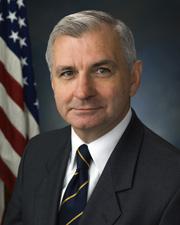
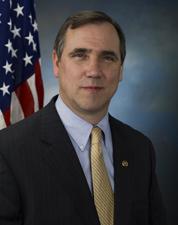
Sponsors and Cosponsors of S 142




Latest Bills
TRAPS Act
Bill HR 4936September 18, 2026
Apples to Apples Comparison Act of 2025
Bill HR 4093September 18, 2026
American Lending Fairness Act of 2026
Bill HR 7866September 18, 2026
Civil Investigative Demand Reform Act of 2025
Bill HR 1653September 18, 2026
American Reserve Modernization Act of 2026
Bill HR 8957September 18, 2026
Preventive Health Savings Act
Bill HR 4464September 18, 2026
PEARL Act
Bill HR 9327September 18, 2026
Medically Tailored Home-Delivered Meals Program Pilot Act
Bill HR 5439September 18, 2026
To designate the facility of the United States Postal Service located at 117 West Lovett Street in Charlotte, Michigan, as the "Francis C. Flaherty Post Office Building".
Bill HR 9570September 18, 2026
To designate the facility of the United States Postal Service located at 1019 Avenue H in Fort Madison, Iowa, as the "Martin L. Graber Post Office".
Bill HR 4707September 18, 2026