0
0
0
No Ex-Im Assistance for Terrorism Act
4/7/2025, 3:21 PM
Summary of Bill HR 5715
Bill 114 hr 5715, also known as the No Ex-Im Assistance for Terrorism Act, is a piece of legislation currently being considered by the US Congress. The purpose of this bill is to prohibit the Export-Import Bank of the United States (Ex-Im Bank) from providing financial assistance to any individual or entity that has been determined to be involved in terrorist activities.
If passed, this bill would require the Ex-Im Bank to conduct thorough background checks on all potential recipients of financial assistance to ensure that they are not connected to any terrorist organizations. Additionally, the bill would mandate that the Ex-Im Bank report any suspicious activity or connections to terrorist groups to the appropriate authorities.
The No Ex-Im Assistance for Terrorism Act aims to prevent US taxpayer dollars from inadvertently funding terrorist activities and organizations. By implementing stricter regulations and oversight on the Ex-Im Bank's financial assistance programs, this bill seeks to enhance national security and protect the interests of the United States. Overall, the No Ex-Im Assistance for Terrorism Act is a bipartisan effort to combat terrorism financing and ensure that US government agencies are not inadvertently supporting terrorist activities through financial assistance programs.
If passed, this bill would require the Ex-Im Bank to conduct thorough background checks on all potential recipients of financial assistance to ensure that they are not connected to any terrorist organizations. Additionally, the bill would mandate that the Ex-Im Bank report any suspicious activity or connections to terrorist groups to the appropriate authorities.
The No Ex-Im Assistance for Terrorism Act aims to prevent US taxpayer dollars from inadvertently funding terrorist activities and organizations. By implementing stricter regulations and oversight on the Ex-Im Bank's financial assistance programs, this bill seeks to enhance national security and protect the interests of the United States. Overall, the No Ex-Im Assistance for Terrorism Act is a bipartisan effort to combat terrorism financing and ensure that US government agencies are not inadvertently supporting terrorist activities through financial assistance programs.
Current Status of Bill HR 5715
Bill HR 5715 is currently in the status of Bill Introduced since July 11, 2016. Bill HR 5715 was introduced during Congress 114 and was introduced to the House on July 11, 2016. Bill HR 5715's most recent activity was Placed on the Union Calendar, Calendar No. 642. as of November 14, 2016
Bipartisan Support of Bill HR 5715
Total Number of Sponsors
1Democrat Sponsors
0Republican Sponsors
1Unaffiliated Sponsors
0Total Number of Cosponsors
0Democrat Cosponsors
0Republican Cosponsors
0Unaffiliated Cosponsors
0Policy Area and Potential Impact of Bill HR 5715
Primary Policy Focus
Foreign Trade and International FinanceComments
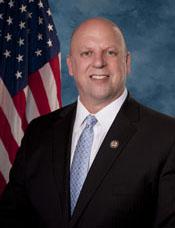
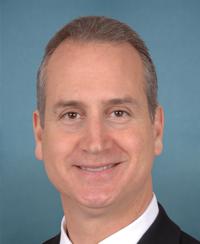
Sponsors and Cosponsors of HR 5715
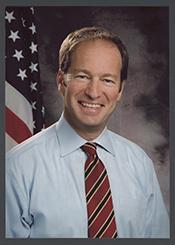
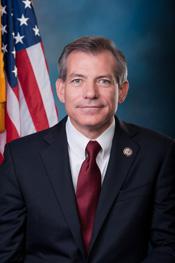
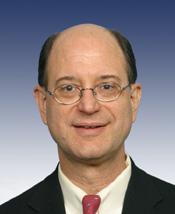
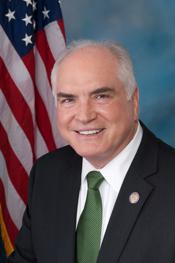
Latest Bills
TRAPS Act
Bill HR 4936September 18, 2026
Apples to Apples Comparison Act of 2025
Bill HR 4093September 18, 2026
American Lending Fairness Act of 2026
Bill HR 7866September 18, 2026
Civil Investigative Demand Reform Act of 2025
Bill HR 1653September 18, 2026
American Reserve Modernization Act of 2026
Bill HR 8957September 18, 2026
Preventive Health Savings Act
Bill HR 4464September 18, 2026
PEARL Act
Bill HR 9327September 18, 2026
Medically Tailored Home-Delivered Meals Program Pilot Act
Bill HR 5439September 18, 2026
To designate the facility of the United States Postal Service located at 117 West Lovett Street in Charlotte, Michigan, as the "Francis C. Flaherty Post Office Building".
Bill HR 9570September 18, 2026
To designate the facility of the United States Postal Service located at 1019 Avenue H in Fort Madison, Iowa, as the "Martin L. Graber Post Office".
Bill HR 4707September 18, 2026