0
0
0
Regulatory Integrity Act of 2016
4/7/2025, 3:21 PM
Summary of Bill HR 5226
Bill 114 hr 5226, also known as the Regulatory Integrity Act of 2016, is a piece of legislation introduced in the US Congress. The main purpose of this bill is to increase transparency and accountability in the regulatory process.
The Regulatory Integrity Act of 2016 requires federal agencies to provide the public with more information about proposed regulations. This includes making the text of proposed regulations available online, as well as any supporting data or analysis used to develop the regulations.
Additionally, the bill requires agencies to hold public hearings on proposed regulations, allowing stakeholders and the general public to provide feedback and input. This is intended to ensure that regulations are developed in a transparent and inclusive manner. Furthermore, the Regulatory Integrity Act of 2016 prohibits federal agencies from engaging in covert propaganda or using taxpayer funds to advocate for or against proposed regulations. This is aimed at preventing agencies from unfairly influencing public opinion on regulatory issues. Overall, the Regulatory Integrity Act of 2016 seeks to promote transparency, accountability, and public participation in the regulatory process. By requiring agencies to provide more information and opportunities for public input, the bill aims to ensure that regulations are developed in a fair and open manner.
The Regulatory Integrity Act of 2016 requires federal agencies to provide the public with more information about proposed regulations. This includes making the text of proposed regulations available online, as well as any supporting data or analysis used to develop the regulations.
Additionally, the bill requires agencies to hold public hearings on proposed regulations, allowing stakeholders and the general public to provide feedback and input. This is intended to ensure that regulations are developed in a transparent and inclusive manner. Furthermore, the Regulatory Integrity Act of 2016 prohibits federal agencies from engaging in covert propaganda or using taxpayer funds to advocate for or against proposed regulations. This is aimed at preventing agencies from unfairly influencing public opinion on regulatory issues. Overall, the Regulatory Integrity Act of 2016 seeks to promote transparency, accountability, and public participation in the regulatory process. By requiring agencies to provide more information and opportunities for public input, the bill aims to ensure that regulations are developed in a fair and open manner.
Current Status of Bill HR 5226
Bill HR 5226 is currently in the status of Bill Introduced since May 13, 2016. Bill HR 5226 was introduced during Congress 114 and was introduced to the House on May 13, 2016. Bill HR 5226's most recent activity was Received in the Senate and Read twice and referred to the Committee on Homeland Security and Governmental Affairs. as of September 15, 2016
Bipartisan Support of Bill HR 5226
Total Number of Sponsors
1Democrat Sponsors
0Republican Sponsors
1Unaffiliated Sponsors
0Total Number of Cosponsors
0Democrat Cosponsors
0Republican Cosponsors
0Unaffiliated Cosponsors
0Policy Area and Potential Impact of Bill HR 5226
Primary Policy Focus
Government Operations and PoliticsComments
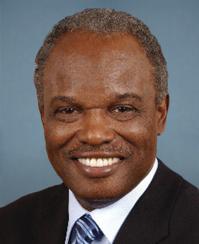
Sponsors and Cosponsors of HR 5226





Latest Bills
TRAPS Act
Bill HR 4936September 18, 2026
Apples to Apples Comparison Act of 2025
Bill HR 4093September 18, 2026
American Lending Fairness Act of 2026
Bill HR 7866September 18, 2026
Civil Investigative Demand Reform Act of 2025
Bill HR 1653September 18, 2026
American Reserve Modernization Act of 2026
Bill HR 8957September 18, 2026
Preventive Health Savings Act
Bill HR 4464September 18, 2026
PEARL Act
Bill HR 9327September 18, 2026
Medically Tailored Home-Delivered Meals Program Pilot Act
Bill HR 5439September 18, 2026
To designate the facility of the United States Postal Service located at 117 West Lovett Street in Charlotte, Michigan, as the "Francis C. Flaherty Post Office Building".
Bill HR 9570September 18, 2026
To designate the facility of the United States Postal Service located at 1019 Avenue H in Fort Madison, Iowa, as the "Martin L. Graber Post Office".
Bill HR 4707September 18, 2026