0
0
0
Kari's Law Act of 2016
4/7/2025, 3:08 PM
Summary of Bill HR 4167
Bill 114 hr 4167, also known as Kari's Law Act of 2016, was introduced in the US Congress with the aim of ensuring that individuals can easily dial 911 in case of an emergency. The bill is named after Kari Hunt, who was tragically killed by her estranged husband in a hotel room in 2013. During the incident, Kari's daughter attempted to dial 911 from the hotel room phone but was unable to do so because she did not know that she needed to dial an additional number to reach an outside line.
The main provision of the bill requires multi-line telephone systems (MLTS) in hotels, office buildings, and other facilities to be configured to allow direct dialing of 911 without the need for an additional prefix or code. This is intended to make it easier for individuals to quickly reach emergency services in times of crisis.
The bill also requires MLTS manufacturers and vendors to provide information to customers about how to enable direct dialing of 911 on their systems. Additionally, the bill directs the Federal Communications Commission (FCC) to establish rules and regulations to ensure compliance with the requirements of the law. Overall, the Kari's Law Act of 2016 aims to improve access to emergency services and enhance public safety by ensuring that individuals can easily and quickly reach 911 in case of an emergency.
The main provision of the bill requires multi-line telephone systems (MLTS) in hotels, office buildings, and other facilities to be configured to allow direct dialing of 911 without the need for an additional prefix or code. This is intended to make it easier for individuals to quickly reach emergency services in times of crisis.
The bill also requires MLTS manufacturers and vendors to provide information to customers about how to enable direct dialing of 911 on their systems. Additionally, the bill directs the Federal Communications Commission (FCC) to establish rules and regulations to ensure compliance with the requirements of the law. Overall, the Kari's Law Act of 2016 aims to improve access to emergency services and enhance public safety by ensuring that individuals can easily and quickly reach 911 in case of an emergency.
Current Status of Bill HR 4167
Bill HR 4167 is currently in the status of Bill Introduced since December 3, 2015. Bill HR 4167 was introduced during Congress 114 and was introduced to the House on December 3, 2015. Bill HR 4167's most recent activity was Received in the Senate and Read twice and referred to the Committee on Commerce, Science, and Transportation. as of May 24, 2016
Bipartisan Support of Bill HR 4167
Total Number of Sponsors
1Democrat Sponsors
0Republican Sponsors
1Unaffiliated Sponsors
0Total Number of Cosponsors
0Democrat Cosponsors
0Republican Cosponsors
0Unaffiliated Cosponsors
0Policy Area and Potential Impact of Bill HR 4167
Primary Policy Focus
Science, Technology, CommunicationsComments
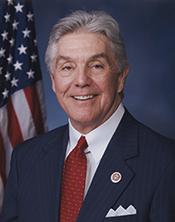
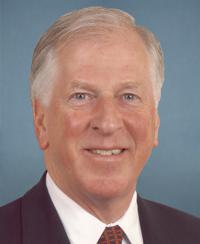
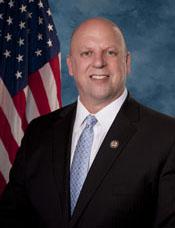
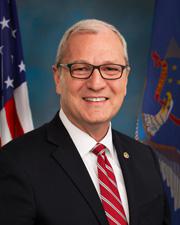
Sponsors and Cosponsors of HR 4167


Latest Bills
TRAPS Act
Bill HR 4936September 18, 2026
Apples to Apples Comparison Act of 2025
Bill HR 4093September 18, 2026
American Lending Fairness Act of 2026
Bill HR 7866September 18, 2026
Civil Investigative Demand Reform Act of 2025
Bill HR 1653September 18, 2026
American Reserve Modernization Act of 2026
Bill HR 8957September 18, 2026
Preventive Health Savings Act
Bill HR 4464September 18, 2026
PEARL Act
Bill HR 9327September 18, 2026
Medically Tailored Home-Delivered Meals Program Pilot Act
Bill HR 5439September 18, 2026
To designate the facility of the United States Postal Service located at 117 West Lovett Street in Charlotte, Michigan, as the "Francis C. Flaherty Post Office Building".
Bill HR 9570September 18, 2026
To designate the facility of the United States Postal Service located at 1019 Avenue H in Fort Madison, Iowa, as the "Martin L. Graber Post Office".
Bill HR 4707September 18, 2026