0
0
0
SENSE Act
4/7/2025, 3:21 PM
Summary of Bill HR 3797
The SENSE Act, also known as Bill 114 hr 3797, is a piece of legislation currently being considered by the US Congress. The main goal of the SENSE Act is to provide regulatory relief for coal-fired power plants in order to help them remain operational and competitive in the energy market.
The bill specifically targets regulations put in place by the Environmental Protection Agency (EPA) that have been seen as burdensome and costly for coal-fired power plants. These regulations include the Mercury and Air Toxics Standards (MATS) and the Cross-State Air Pollution Rule (CSAPR), which have been criticized for placing undue financial strain on coal plants and leading to closures across the country.
The SENSE Act aims to provide flexibility for coal plants to comply with these regulations by allowing them to use alternative compliance methods, such as emissions averaging and trading, rather than requiring costly upgrades or shutdowns. The bill also seeks to streamline the permitting process for coal plants and provide relief from certain reporting requirements. Supporters of the SENSE Act argue that it will help preserve jobs in the coal industry and ensure a reliable source of energy for the country. They believe that the bill strikes a balance between environmental protection and economic growth by allowing coal plants to continue operating while still meeting emissions standards. Opponents of the bill, however, argue that it undermines important environmental regulations and could lead to increased pollution and health risks for communities near coal plants. They believe that the focus should be on transitioning to cleaner energy sources rather than propping up the coal industry. Overall, the SENSE Act is a controversial piece of legislation that highlights the ongoing debate over the future of coal-fired power plants in the United States. Its fate in Congress remains uncertain as lawmakers continue to weigh the potential benefits and drawbacks of the bill.
The bill specifically targets regulations put in place by the Environmental Protection Agency (EPA) that have been seen as burdensome and costly for coal-fired power plants. These regulations include the Mercury and Air Toxics Standards (MATS) and the Cross-State Air Pollution Rule (CSAPR), which have been criticized for placing undue financial strain on coal plants and leading to closures across the country.
The SENSE Act aims to provide flexibility for coal plants to comply with these regulations by allowing them to use alternative compliance methods, such as emissions averaging and trading, rather than requiring costly upgrades or shutdowns. The bill also seeks to streamline the permitting process for coal plants and provide relief from certain reporting requirements. Supporters of the SENSE Act argue that it will help preserve jobs in the coal industry and ensure a reliable source of energy for the country. They believe that the bill strikes a balance between environmental protection and economic growth by allowing coal plants to continue operating while still meeting emissions standards. Opponents of the bill, however, argue that it undermines important environmental regulations and could lead to increased pollution and health risks for communities near coal plants. They believe that the focus should be on transitioning to cleaner energy sources rather than propping up the coal industry. Overall, the SENSE Act is a controversial piece of legislation that highlights the ongoing debate over the future of coal-fired power plants in the United States. Its fate in Congress remains uncertain as lawmakers continue to weigh the potential benefits and drawbacks of the bill.
Current Status of Bill HR 3797
Bill HR 3797 is currently in the status of Bill Introduced since October 22, 2015. Bill HR 3797 was introduced during Congress 114 and was introduced to the House on October 22, 2015. Bill HR 3797's most recent activity was Received in the Senate and Read twice and referred to the Committee on Environment and Public Works. as of March 16, 2016
Bipartisan Support of Bill HR 3797
Total Number of Sponsors
1Democrat Sponsors
0Republican Sponsors
1Unaffiliated Sponsors
0Total Number of Cosponsors
0Democrat Cosponsors
0Republican Cosponsors
0Unaffiliated Cosponsors
0Policy Area and Potential Impact of Bill HR 3797
Primary Policy Focus
Environmental ProtectionComments
Sponsors and Cosponsors of HR 3797
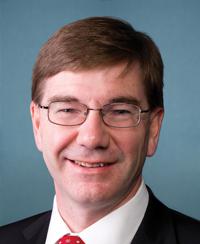
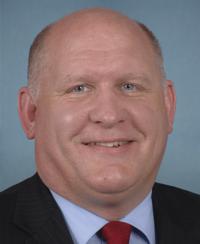
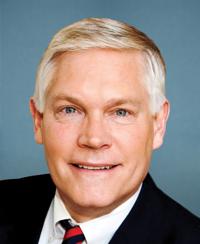
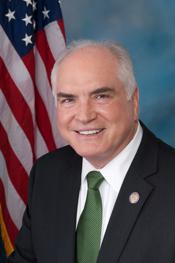
Latest Bills
TRAPS Act
Bill HR 4936September 18, 2026
Apples to Apples Comparison Act of 2025
Bill HR 4093September 18, 2026
American Lending Fairness Act of 2026
Bill HR 7866September 18, 2026
Civil Investigative Demand Reform Act of 2025
Bill HR 1653September 18, 2026
American Reserve Modernization Act of 2026
Bill HR 8957September 18, 2026
Preventive Health Savings Act
Bill HR 4464September 18, 2026
PEARL Act
Bill HR 9327September 18, 2026
Medically Tailored Home-Delivered Meals Program Pilot Act
Bill HR 5439September 18, 2026
To designate the facility of the United States Postal Service located at 117 West Lovett Street in Charlotte, Michigan, as the "Francis C. Flaherty Post Office Building".
Bill HR 9570September 18, 2026
To designate the facility of the United States Postal Service located at 1019 Avenue H in Fort Madison, Iowa, as the "Martin L. Graber Post Office".
Bill HR 4707September 18, 2026