0
0
0
Anti-Spoofing Act of 2016
4/7/2025, 3:08 PM
Summary of Bill HR 2669
Bill 114 hr 2669, also known as the Anti-Spoofing Act of 2016, is a piece of legislation introduced in the US Congress with the aim of combating the practice of spoofing. Spoofing is a deceptive tactic used by individuals or entities to manipulate caller ID information in order to deceive recipients into answering phone calls or responding to messages.
The bill specifically targets the use of spoofing in the context of telecommunications, including phone calls and text messages. It prohibits the use of misleading or inaccurate caller ID information with the intent to defraud, cause harm, or wrongfully obtain anything of value.
Under the Anti-Spoofing Act of 2016, individuals found guilty of violating the law could face fines and penalties, as well as potential criminal charges. The bill also empowers the Federal Communications Commission (FCC) to enforce the provisions of the legislation and take action against offenders. Overall, the Anti-Spoofing Act of 2016 seeks to protect consumers from falling victim to fraudulent practices and ensure the integrity of telecommunications services in the United States.
The bill specifically targets the use of spoofing in the context of telecommunications, including phone calls and text messages. It prohibits the use of misleading or inaccurate caller ID information with the intent to defraud, cause harm, or wrongfully obtain anything of value.
Under the Anti-Spoofing Act of 2016, individuals found guilty of violating the law could face fines and penalties, as well as potential criminal charges. The bill also empowers the Federal Communications Commission (FCC) to enforce the provisions of the legislation and take action against offenders. Overall, the Anti-Spoofing Act of 2016 seeks to protect consumers from falling victim to fraudulent practices and ensure the integrity of telecommunications services in the United States.
Current Status of Bill HR 2669
Bill HR 2669 is currently in the status of Bill Introduced since June 4, 2015. Bill HR 2669 was introduced during Congress 114 and was introduced to the House on June 4, 2015. Bill HR 2669's most recent activity was Received in the Senate and Read twice and referred to the Committee on Commerce, Science, and Transportation. as of November 15, 2016
Bipartisan Support of Bill HR 2669
Total Number of Sponsors
1Democrat Sponsors
1Republican Sponsors
0Unaffiliated Sponsors
0Total Number of Cosponsors
0Democrat Cosponsors
0Republican Cosponsors
0Unaffiliated Cosponsors
0Policy Area and Potential Impact of Bill HR 2669
Primary Policy Focus
Science, Technology, CommunicationsComments
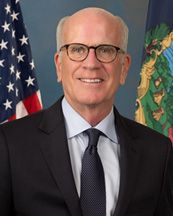
Sponsors and Cosponsors of HR 2669





Latest Bills
TRAPS Act
Bill HR 4936September 18, 2026
Apples to Apples Comparison Act of 2025
Bill HR 4093September 18, 2026
American Lending Fairness Act of 2026
Bill HR 7866September 18, 2026
Civil Investigative Demand Reform Act of 2025
Bill HR 1653September 18, 2026
American Reserve Modernization Act of 2026
Bill HR 8957September 18, 2026
Preventive Health Savings Act
Bill HR 4464September 18, 2026
PEARL Act
Bill HR 9327September 18, 2026
Medically Tailored Home-Delivered Meals Program Pilot Act
Bill HR 5439September 18, 2026
To designate the facility of the United States Postal Service located at 117 West Lovett Street in Charlotte, Michigan, as the "Francis C. Flaherty Post Office Building".
Bill HR 9570September 18, 2026
To designate the facility of the United States Postal Service located at 1019 Avenue H in Fort Madison, Iowa, as the "Martin L. Graber Post Office".
Bill HR 4707September 18, 2026