0
0
0
Veterans Entrepreneurship Act of 2015
4/7/2025, 3:07 PM
Summary of Bill HR 2499
Bill 114 hr 2499, also known as the Veterans Entrepreneurship Act of 2015, is a piece of legislation aimed at supporting veterans who are interested in starting their own businesses. The bill was introduced in the House of Representatives on May 21, 2015 by Representative Jerry McNerney from California.
The main purpose of the bill is to provide veterans with access to resources and support that will help them successfully launch and grow their own businesses. This includes expanding existing programs that provide training, counseling, and assistance to veteran entrepreneurs. The bill also aims to increase opportunities for veterans to secure government contracts for their businesses.
Additionally, the bill seeks to improve coordination between various government agencies that provide support to veteran entrepreneurs, such as the Small Business Administration and the Department of Veterans Affairs. This will help ensure that veterans have access to all available resources and that they are able to navigate the process of starting a business more easily. Overall, the Veterans Entrepreneurship Act of 2015 is designed to empower veterans who have served our country to achieve success as entrepreneurs. By providing them with the necessary tools and support, the bill aims to help veterans transition into civilian life and achieve economic independence through entrepreneurship.
The main purpose of the bill is to provide veterans with access to resources and support that will help them successfully launch and grow their own businesses. This includes expanding existing programs that provide training, counseling, and assistance to veteran entrepreneurs. The bill also aims to increase opportunities for veterans to secure government contracts for their businesses.
Additionally, the bill seeks to improve coordination between various government agencies that provide support to veteran entrepreneurs, such as the Small Business Administration and the Department of Veterans Affairs. This will help ensure that veterans have access to all available resources and that they are able to navigate the process of starting a business more easily. Overall, the Veterans Entrepreneurship Act of 2015 is designed to empower veterans who have served our country to achieve success as entrepreneurs. By providing them with the necessary tools and support, the bill aims to help veterans transition into civilian life and achieve economic independence through entrepreneurship.
Current Status of Bill HR 2499
Bill HR 2499 is currently in the status of Bill Introduced since May 21, 2015. Bill HR 2499 was introduced during Congress 114 and was introduced to the House on May 21, 2015. Bill HR 2499's most recent activity was Became Public Law No: 114-38. as of July 28, 2015
Bipartisan Support of Bill HR 2499
Total Number of Sponsors
1Democrat Sponsors
0Republican Sponsors
1Unaffiliated Sponsors
0Total Number of Cosponsors
0Democrat Cosponsors
0Republican Cosponsors
0Unaffiliated Cosponsors
0Policy Area and Potential Impact of Bill HR 2499
Primary Policy Focus
CommerceComments
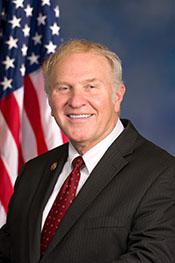
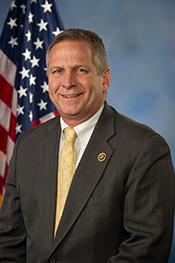
Sponsors and Cosponsors of HR 2499
Latest Bills
TRAPS Act
Bill HR 4936September 18, 2026
Apples to Apples Comparison Act of 2025
Bill HR 4093September 18, 2026
American Lending Fairness Act of 2026
Bill HR 7866September 18, 2026
Civil Investigative Demand Reform Act of 2025
Bill HR 1653September 18, 2026
American Reserve Modernization Act of 2026
Bill HR 8957September 18, 2026
Preventive Health Savings Act
Bill HR 4464September 18, 2026
PEARL Act
Bill HR 9327September 18, 2026
Medically Tailored Home-Delivered Meals Program Pilot Act
Bill HR 5439September 18, 2026
To designate the facility of the United States Postal Service located at 117 West Lovett Street in Charlotte, Michigan, as the "Francis C. Flaherty Post Office Building".
Bill HR 9570September 18, 2026
To designate the facility of the United States Postal Service located at 1019 Avenue H in Fort Madison, Iowa, as the "Martin L. Graber Post Office".
Bill HR 4707September 18, 2026