0
0
0
Secret Service Improvements Act of 2016
4/7/2025, 3:20 PM
Summary of Bill HR 1656
Bill 114 hr 1656, also known as the Secret Service Improvements Act of 2016, was introduced in the US Congress with the aim of enhancing the operations and effectiveness of the United States Secret Service. The bill sought to address various issues within the agency, including improving training and recruitment practices, increasing transparency and accountability, and enhancing coordination with other law enforcement agencies.
One key provision of the bill was the establishment of a National Center for the Study of Protective Services, which would conduct research and provide training to enhance the capabilities of the Secret Service. Additionally, the bill called for the creation of a Secret Service Advisory Board to provide independent oversight and guidance to the agency.
The Secret Service Improvements Act of 2016 also included measures to improve the agency's ability to combat cyber threats and protect critical infrastructure. This included provisions for increased collaboration with the Department of Homeland Security and other federal agencies to address emerging threats to national security. Overall, the bill aimed to strengthen the Secret Service and ensure that it is equipped to effectively carry out its mission of protecting the President, Vice President, and other high-level officials. It received bipartisan support in Congress and was ultimately signed into law by the President.
One key provision of the bill was the establishment of a National Center for the Study of Protective Services, which would conduct research and provide training to enhance the capabilities of the Secret Service. Additionally, the bill called for the creation of a Secret Service Advisory Board to provide independent oversight and guidance to the agency.
The Secret Service Improvements Act of 2016 also included measures to improve the agency's ability to combat cyber threats and protect critical infrastructure. This included provisions for increased collaboration with the Department of Homeland Security and other federal agencies to address emerging threats to national security. Overall, the bill aimed to strengthen the Secret Service and ensure that it is equipped to effectively carry out its mission of protecting the President, Vice President, and other high-level officials. It received bipartisan support in Congress and was ultimately signed into law by the President.
Current Status of Bill HR 1656
Bill HR 1656 is currently in the status of Bill Introduced since March 26, 2015. Bill HR 1656 was introduced during Congress 114 and was introduced to the House on March 26, 2015. Bill HR 1656's most recent activity was Placed on Senate Legislative Calendar under General Orders. Calendar No. 560. as of July 13, 2016
Bipartisan Support of Bill HR 1656
Total Number of Sponsors
1Democrat Sponsors
0Republican Sponsors
1Unaffiliated Sponsors
0Total Number of Cosponsors
0Democrat Cosponsors
0Republican Cosponsors
0Unaffiliated Cosponsors
0Policy Area and Potential Impact of Bill HR 1656
Primary Policy Focus
Crime and Law EnforcementComments
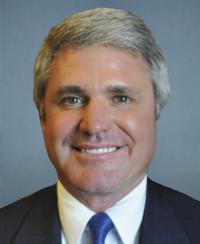
Sponsors and Cosponsors of HR 1656


Latest Bills
TRAPS Act
Bill HR 4936September 18, 2026
Apples to Apples Comparison Act of 2025
Bill HR 4093September 18, 2026
American Lending Fairness Act of 2026
Bill HR 7866September 18, 2026
Civil Investigative Demand Reform Act of 2025
Bill HR 1653September 18, 2026
American Reserve Modernization Act of 2026
Bill HR 8957September 18, 2026
Preventive Health Savings Act
Bill HR 4464September 18, 2026
PEARL Act
Bill HR 9327September 18, 2026
Medically Tailored Home-Delivered Meals Program Pilot Act
Bill HR 5439September 18, 2026
To designate the facility of the United States Postal Service located at 117 West Lovett Street in Charlotte, Michigan, as the "Francis C. Flaherty Post Office Building".
Bill HR 9570September 18, 2026
To designate the facility of the United States Postal Service located at 1019 Avenue H in Fort Madison, Iowa, as the "Martin L. Graber Post Office".
Bill HR 4707September 18, 2026