0
0
0
Public Power Risk Management Act of 2013
4/7/2025, 3:13 PM
Summary of Bill HR 1038
Bill 113 hr 1038, also known as the Public Power Risk Management Act of 2013, is a piece of legislation introduced in the US Congress. The purpose of this bill is to provide public power utilities with the ability to manage financial risks associated with their operations.
The bill aims to establish a program that would allow public power utilities to enter into financial transactions, such as swaps and other derivatives, in order to hedge against fluctuations in energy prices and other market risks. This would help these utilities to better manage their finances and ensure the stability of their operations.
Additionally, the bill includes provisions to ensure transparency and accountability in the use of these financial instruments. It requires public power utilities to report on their risk management activities and to disclose any potential conflicts of interest. Overall, the Public Power Risk Management Act of 2013 seeks to provide public power utilities with the tools they need to effectively manage financial risks and ensure the reliable delivery of electricity to their customers.
The bill aims to establish a program that would allow public power utilities to enter into financial transactions, such as swaps and other derivatives, in order to hedge against fluctuations in energy prices and other market risks. This would help these utilities to better manage their finances and ensure the stability of their operations.
Additionally, the bill includes provisions to ensure transparency and accountability in the use of these financial instruments. It requires public power utilities to report on their risk management activities and to disclose any potential conflicts of interest. Overall, the Public Power Risk Management Act of 2013 seeks to provide public power utilities with the tools they need to effectively manage financial risks and ensure the reliable delivery of electricity to their customers.
Current Status of Bill HR 1038
Bill HR 1038 is currently in the status of Bill Introduced since March 11, 2013. Bill HR 1038 was introduced during Congress 113 and was introduced to the House on March 11, 2013. Bill HR 1038's most recent activity was Received in the Senate and Read twice and referred to the Committee on Agriculture, Nutrition, and Forestry. as of June 13, 2013
Bipartisan Support of Bill HR 1038
Total Number of Sponsors
1Democrat Sponsors
0Republican Sponsors
1Unaffiliated Sponsors
0Total Number of Cosponsors
0Democrat Cosponsors
0Republican Cosponsors
0Unaffiliated Cosponsors
0Policy Area and Potential Impact of Bill HR 1038
Primary Policy Focus
Finance and Financial SectorComments
Sponsors and Cosponsors of HR 1038
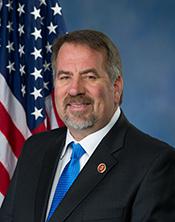
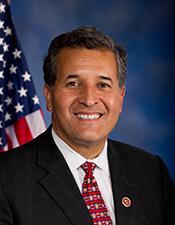

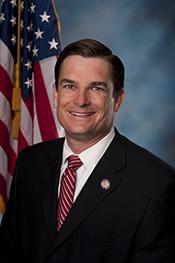


Latest Bills
TRAPS Act
Bill HR 4936September 18, 2026
Apples to Apples Comparison Act of 2025
Bill HR 4093September 18, 2026
American Lending Fairness Act of 2026
Bill HR 7866September 18, 2026
Civil Investigative Demand Reform Act of 2025
Bill HR 1653September 18, 2026
American Reserve Modernization Act of 2026
Bill HR 8957September 18, 2026
Preventive Health Savings Act
Bill HR 4464September 18, 2026
PEARL Act
Bill HR 9327September 18, 2026
Medically Tailored Home-Delivered Meals Program Pilot Act
Bill HR 5439September 18, 2026
To designate the facility of the United States Postal Service located at 117 West Lovett Street in Charlotte, Michigan, as the "Francis C. Flaherty Post Office Building".
Bill HR 9570September 18, 2026
To designate the facility of the United States Postal Service located at 1019 Avenue H in Fort Madison, Iowa, as the "Martin L. Graber Post Office".
Bill HR 4707September 18, 2026