0
0
0
Providing for consideration of the bill (S. 181) to amend title VII of the Civil Rights Act of 1964 and the Age Discrimination in Employment Act of 1967, and to modify the operation of the Americans with Disabilities Act of 1990 and the Rehabilitation Act of 1973, to clarify that a discriminatory compensation decision or other practice that is unlawful under such Acts occurs each time compensation is paid pursuant to the discriminatory compensation decision or other practice, and for other purposes.
4/7/2025, 3:18 PM
Summary of Bill HRES 87
Bill H.Res. 87, also known as the Paycheck Fairness Act, is a piece of legislation that aims to amend several existing civil rights and employment acts in order to address issues of discrimination in the workplace. Specifically, the bill seeks to amend Title VII of the Civil Rights Act of 1964, the Age Discrimination in Employment Act of 1967, the Americans with Disabilities Act of 1990, and the Rehabilitation Act of 1973.
One of the key provisions of the bill is to clarify that a discriminatory compensation decision or practice that is unlawful under these acts occurs each time compensation is paid pursuant to the discriminatory decision or practice. This means that if an employer is found to have engaged in discriminatory compensation practices, they can be held accountable for each instance of discriminatory pay.
The Paycheck Fairness Act also aims to strengthen protections for workers by prohibiting employers from retaliating against employees who discuss or disclose their wages. This is intended to promote pay transparency and help address the gender pay gap and other forms of wage discrimination. Overall, the bill seeks to promote fairness and equality in the workplace by addressing discriminatory compensation practices and strengthening protections for workers. It is an important piece of legislation that aims to ensure that all employees are treated fairly and receive equal pay for equal work.
One of the key provisions of the bill is to clarify that a discriminatory compensation decision or practice that is unlawful under these acts occurs each time compensation is paid pursuant to the discriminatory decision or practice. This means that if an employer is found to have engaged in discriminatory compensation practices, they can be held accountable for each instance of discriminatory pay.
The Paycheck Fairness Act also aims to strengthen protections for workers by prohibiting employers from retaliating against employees who discuss or disclose their wages. This is intended to promote pay transparency and help address the gender pay gap and other forms of wage discrimination. Overall, the bill seeks to promote fairness and equality in the workplace by addressing discriminatory compensation practices and strengthening protections for workers. It is an important piece of legislation that aims to ensure that all employees are treated fairly and receive equal pay for equal work.
Current Status of Bill HRES 87
Bill HRES 87 is currently in the status of Bill Introduced since January 26, 2009. Bill HRES 87 was introduced during Congress 111 and was introduced to the House on January 26, 2009. Bill HRES 87's most recent activity was Motion to reconsider laid on the table Agreed to without objection. as of January 27, 2009
Bipartisan Support of Bill HRES 87
Total Number of Sponsors
1Democrat Sponsors
1Republican Sponsors
0Unaffiliated Sponsors
0Total Number of Cosponsors
0Democrat Cosponsors
0Republican Cosponsors
0Unaffiliated Cosponsors
0Policy Area and Potential Impact of Bill HRES 87
Primary Policy Focus
CongressComments
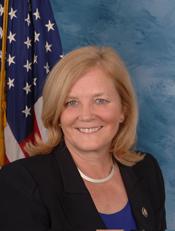
Sponsors and Cosponsors of HRES 87
Latest Bills
TRAPS Act
Bill HR 4936September 18, 2026
Apples to Apples Comparison Act of 2025
Bill HR 4093September 18, 2026
American Lending Fairness Act of 2026
Bill HR 7866September 18, 2026
Civil Investigative Demand Reform Act of 2025
Bill HR 1653September 18, 2026
American Reserve Modernization Act of 2026
Bill HR 8957September 18, 2026
Preventive Health Savings Act
Bill HR 4464September 18, 2026
PEARL Act
Bill HR 9327September 18, 2026
Medically Tailored Home-Delivered Meals Program Pilot Act
Bill HR 5439September 18, 2026
To designate the facility of the United States Postal Service located at 117 West Lovett Street in Charlotte, Michigan, as the "Francis C. Flaherty Post Office Building".
Bill HR 9570September 18, 2026
To designate the facility of the United States Postal Service located at 1019 Avenue H in Fort Madison, Iowa, as the "Martin L. Graber Post Office".
Bill HR 4707September 18, 2026