0
0
0
Chesapeake Bay Science, Education, and Ecosystem Enhancement Act of 2009
4/7/2025, 3:18 PM
Summary of Bill HR 1771
Bill 111 HR 1771, also known as the Chesapeake Bay Science, Education, and Ecosystem Enhancement Act of 2009, is a piece of legislation aimed at improving the health and sustainability of the Chesapeake Bay ecosystem. The bill focuses on three main areas: science, education, and ecosystem enhancement.
In terms of science, the bill calls for increased funding for research and monitoring of the Chesapeake Bay ecosystem. This includes studying water quality, wildlife populations, and the impact of human activities on the bay. By investing in scientific research, policymakers hope to better understand the challenges facing the Chesapeake Bay and develop effective solutions to address them.
The bill also emphasizes the importance of education in promoting conservation and stewardship of the Chesapeake Bay. It calls for increased funding for educational programs that teach students and the public about the importance of the bay and how they can help protect it. By raising awareness and promoting environmental literacy, policymakers hope to inspire future generations to take action to preserve the Chesapeake Bay. Lastly, the bill includes provisions for ecosystem enhancement, such as restoring wetlands, planting trees, and reducing pollution in the Chesapeake Bay watershed. These efforts are aimed at improving water quality, supporting wildlife habitats, and enhancing the overall health of the bay ecosystem. Overall, Bill 111 HR 1771 seeks to address the complex challenges facing the Chesapeake Bay ecosystem through a combination of scientific research, education, and ecosystem enhancement initiatives. By investing in these areas, policymakers hope to protect and preserve the Chesapeake Bay for future generations.
In terms of science, the bill calls for increased funding for research and monitoring of the Chesapeake Bay ecosystem. This includes studying water quality, wildlife populations, and the impact of human activities on the bay. By investing in scientific research, policymakers hope to better understand the challenges facing the Chesapeake Bay and develop effective solutions to address them.
The bill also emphasizes the importance of education in promoting conservation and stewardship of the Chesapeake Bay. It calls for increased funding for educational programs that teach students and the public about the importance of the bay and how they can help protect it. By raising awareness and promoting environmental literacy, policymakers hope to inspire future generations to take action to preserve the Chesapeake Bay. Lastly, the bill includes provisions for ecosystem enhancement, such as restoring wetlands, planting trees, and reducing pollution in the Chesapeake Bay watershed. These efforts are aimed at improving water quality, supporting wildlife habitats, and enhancing the overall health of the bay ecosystem. Overall, Bill 111 HR 1771 seeks to address the complex challenges facing the Chesapeake Bay ecosystem through a combination of scientific research, education, and ecosystem enhancement initiatives. By investing in these areas, policymakers hope to protect and preserve the Chesapeake Bay for future generations.
Current Status of Bill HR 1771
Bill HR 1771 is currently in the status of Bill Introduced since March 26, 2009. Bill HR 1771 was introduced during Congress 111 and was introduced to the House on March 26, 2009. Bill HR 1771's most recent activity was Received in the Senate and Read twice and referred to the Committee on Commerce, Science, and Transportation. as of October 1, 2009
Bipartisan Support of Bill HR 1771
Total Number of Sponsors
1Democrat Sponsors
1Republican Sponsors
0Unaffiliated Sponsors
0Total Number of Cosponsors
0Democrat Cosponsors
0Republican Cosponsors
0Unaffiliated Cosponsors
0Policy Area and Potential Impact of Bill HR 1771
Primary Policy Focus
Public Lands and Natural ResourcesComments
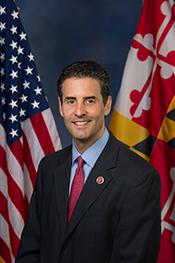
Sponsors and Cosponsors of HR 1771


Latest Bills
TRAPS Act
Bill HR 4936September 18, 2026
Apples to Apples Comparison Act of 2025
Bill HR 4093September 18, 2026
American Lending Fairness Act of 2026
Bill HR 7866September 18, 2026
Civil Investigative Demand Reform Act of 2025
Bill HR 1653September 18, 2026
American Reserve Modernization Act of 2026
Bill HR 8957September 18, 2026
Preventive Health Savings Act
Bill HR 4464September 18, 2026
PEARL Act
Bill HR 9327September 18, 2026
Medically Tailored Home-Delivered Meals Program Pilot Act
Bill HR 5439September 18, 2026
To designate the facility of the United States Postal Service located at 117 West Lovett Street in Charlotte, Michigan, as the "Francis C. Flaherty Post Office Building".
Bill HR 9570September 18, 2026
To designate the facility of the United States Postal Service located at 1019 Avenue H in Fort Madison, Iowa, as the "Martin L. Graber Post Office".
Bill HR 4707September 18, 2026