0
0
0
Emergency Extended Unemployment Compensation Act of 2008
4/7/2025, 3:24 PM
Summary of Bill HR 5749
Bill 110 hr 5749, also known as the Emergency Extended Unemployment Compensation Act of 2008, was introduced in the US Congress to address the growing issue of unemployment during the economic recession of 2008. The bill aimed to provide additional financial assistance to individuals who had exhausted their regular unemployment benefits.
The key provisions of the bill included extending the duration of unemployment benefits for eligible individuals by up to 13 weeks. This extension was intended to help those who were struggling to find employment during the economic downturn and provide them with much-needed financial support.
Additionally, the bill included provisions to ensure that individuals receiving extended unemployment benefits were actively seeking work and participating in job training programs to improve their chances of finding employment. Overall, the Emergency Extended Unemployment Compensation Act of 2008 was designed to provide temporary relief to individuals facing long-term unemployment due to the economic crisis. The bill aimed to support those in need while also encouraging them to actively seek employment opportunities and improve their skills for future job prospects.
The key provisions of the bill included extending the duration of unemployment benefits for eligible individuals by up to 13 weeks. This extension was intended to help those who were struggling to find employment during the economic downturn and provide them with much-needed financial support.
Additionally, the bill included provisions to ensure that individuals receiving extended unemployment benefits were actively seeking work and participating in job training programs to improve their chances of finding employment. Overall, the Emergency Extended Unemployment Compensation Act of 2008 was designed to provide temporary relief to individuals facing long-term unemployment due to the economic crisis. The bill aimed to support those in need while also encouraging them to actively seek employment opportunities and improve their skills for future job prospects.
Current Status of Bill HR 5749
Bill HR 5749 is currently in the status of Bill Introduced since April 9, 2008. Bill HR 5749 was introduced during Congress 110 and was introduced to the House on April 9, 2008. Bill HR 5749's most recent activity was Read the second time. Placed on Senate Legislative Calendar under General Orders. Calendar No. 780 under authority of the order of the Senate of 06/12/2008. as of June 13, 2008
Bipartisan Support of Bill HR 5749
Total Number of Sponsors
1Democrat Sponsors
1Republican Sponsors
0Unaffiliated Sponsors
0Total Number of Cosponsors
0Democrat Cosponsors
0Republican Cosponsors
0Unaffiliated Cosponsors
0Policy Area and Potential Impact of Bill HR 5749
Primary Policy Focus
Labor and EmploymentComments
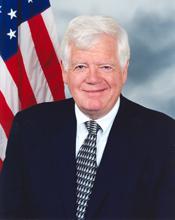
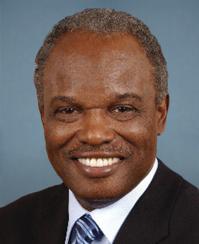
Sponsors and Cosponsors of HR 5749




Latest Bills
TRAPS Act
Bill HR 4936September 18, 2026
Apples to Apples Comparison Act of 2025
Bill HR 4093September 18, 2026
American Lending Fairness Act of 2026
Bill HR 7866September 18, 2026
Civil Investigative Demand Reform Act of 2025
Bill HR 1653September 18, 2026
American Reserve Modernization Act of 2026
Bill HR 8957September 18, 2026
Preventive Health Savings Act
Bill HR 4464September 18, 2026
PEARL Act
Bill HR 9327September 18, 2026
Medically Tailored Home-Delivered Meals Program Pilot Act
Bill HR 5439September 18, 2026
To designate the facility of the United States Postal Service located at 117 West Lovett Street in Charlotte, Michigan, as the "Francis C. Flaherty Post Office Building".
Bill HR 9570September 18, 2026
To designate the facility of the United States Postal Service located at 1019 Avenue H in Fort Madison, Iowa, as the "Martin L. Graber Post Office".
Bill HR 4707September 18, 2026