0
0
0
Worker Protection Against Combustible Dust Explosions and Fires Act of 2008
4/7/2025, 3:24 PM
Summary of Bill HR 5522
Bill 110 hr 5522, also known as the Worker Protection Against Combustible Dust Explosions and Fires Act of 2008, aims to address the issue of combustible dust explosions and fires in the workplace.
The bill requires the Occupational Safety and Health Administration (OSHA) to develop and implement a standard to prevent combustible dust explosions and fires in the workplace. This standard would include requirements for controlling dust accumulations, conducting hazard assessments, and implementing safety measures to protect workers from the risks associated with combustible dust.
Additionally, the bill requires employers to provide training to workers on the hazards of combustible dust and how to safely handle and control it. Employers would also be required to develop and implement a written combustible dust safety program to ensure compliance with the new standard. The bill also establishes a Combustible Dust Advisory Committee to provide recommendations to OSHA on the development and implementation of the new standard. This committee would be composed of representatives from labor organizations, industry groups, and other stakeholders. Overall, the Worker Protection Against Combustible Dust Explosions and Fires Act of 2008 aims to improve workplace safety and protect workers from the dangers of combustible dust explosions and fires.
The bill requires the Occupational Safety and Health Administration (OSHA) to develop and implement a standard to prevent combustible dust explosions and fires in the workplace. This standard would include requirements for controlling dust accumulations, conducting hazard assessments, and implementing safety measures to protect workers from the risks associated with combustible dust.
Additionally, the bill requires employers to provide training to workers on the hazards of combustible dust and how to safely handle and control it. Employers would also be required to develop and implement a written combustible dust safety program to ensure compliance with the new standard. The bill also establishes a Combustible Dust Advisory Committee to provide recommendations to OSHA on the development and implementation of the new standard. This committee would be composed of representatives from labor organizations, industry groups, and other stakeholders. Overall, the Worker Protection Against Combustible Dust Explosions and Fires Act of 2008 aims to improve workplace safety and protect workers from the dangers of combustible dust explosions and fires.
Current Status of Bill HR 5522
Bill HR 5522 is currently in the status of Bill Introduced since March 4, 2008. Bill HR 5522 was introduced during Congress 110 and was introduced to the House on March 4, 2008. Bill HR 5522's most recent activity was Received in the Senate and Read twice and referred to the Committee on Health, Education, Labor, and Pensions. as of May 1, 2008
Bipartisan Support of Bill HR 5522
Total Number of Sponsors
1Democrat Sponsors
1Republican Sponsors
0Unaffiliated Sponsors
0Total Number of Cosponsors
0Democrat Cosponsors
0Republican Cosponsors
0Unaffiliated Cosponsors
0Policy Area and Potential Impact of Bill HR 5522
Primary Policy Focus
Labor and EmploymentComments
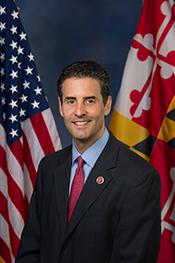
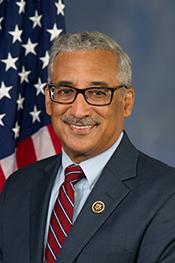
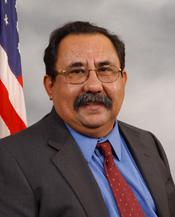
Sponsors and Cosponsors of HR 5522



Latest Bills
TRAPS Act
Bill HR 4936September 18, 2026
Apples to Apples Comparison Act of 2025
Bill HR 4093September 18, 2026
American Lending Fairness Act of 2026
Bill HR 7866September 18, 2026
Civil Investigative Demand Reform Act of 2025
Bill HR 1653September 18, 2026
American Reserve Modernization Act of 2026
Bill HR 8957September 18, 2026
Preventive Health Savings Act
Bill HR 4464September 18, 2026
PEARL Act
Bill HR 9327September 18, 2026
Medically Tailored Home-Delivered Meals Program Pilot Act
Bill HR 5439September 18, 2026
To designate the facility of the United States Postal Service located at 117 West Lovett Street in Charlotte, Michigan, as the "Francis C. Flaherty Post Office Building".
Bill HR 9570September 18, 2026
To designate the facility of the United States Postal Service located at 1019 Avenue H in Fort Madison, Iowa, as the "Martin L. Graber Post Office".
Bill HR 4707September 18, 2026