0
0
0
Captive Primate Safety Act
4/7/2025, 3:24 PM
Summary of Bill HR 2964
The Captive Primate Safety Act, also known as Bill 110 hr 2964, is a piece of legislation that aims to protect both humans and primates by regulating the private ownership of certain primates in the United States. The bill specifically targets the ownership of non-human primates, such as monkeys, chimpanzees, and lemurs, by individuals who are not licensed or authorized to care for these animals.
The main purpose of the Captive Primate Safety Act is to prevent incidents of harm or injury caused by primates that are kept as pets or in private collections. These animals can pose a danger to both their owners and the general public due to their strength, agility, and potential for aggression. By restricting the ownership of primates to accredited zoos, sanctuaries, and research facilities, the bill aims to ensure that these animals are kept in safe and appropriate environments.
Under the provisions of the Captive Primate Safety Act, individuals who currently own non-human primates would be required to either transfer ownership to a qualified facility or obtain the necessary permits and licenses to continue caring for these animals. The bill also includes penalties for individuals who violate the regulations, including fines and potential imprisonment. Overall, the Captive Primate Safety Act is designed to promote the welfare of both humans and primates by regulating the ownership of these animals and ensuring that they are kept in suitable and secure environments. By restricting private ownership and promoting responsible care practices, the bill seeks to reduce the risks associated with keeping primates as pets and protect both the animals and the public from potential harm.
The main purpose of the Captive Primate Safety Act is to prevent incidents of harm or injury caused by primates that are kept as pets or in private collections. These animals can pose a danger to both their owners and the general public due to their strength, agility, and potential for aggression. By restricting the ownership of primates to accredited zoos, sanctuaries, and research facilities, the bill aims to ensure that these animals are kept in safe and appropriate environments.
Under the provisions of the Captive Primate Safety Act, individuals who currently own non-human primates would be required to either transfer ownership to a qualified facility or obtain the necessary permits and licenses to continue caring for these animals. The bill also includes penalties for individuals who violate the regulations, including fines and potential imprisonment. Overall, the Captive Primate Safety Act is designed to promote the welfare of both humans and primates by regulating the ownership of these animals and ensuring that they are kept in suitable and secure environments. By restricting private ownership and promoting responsible care practices, the bill seeks to reduce the risks associated with keeping primates as pets and protect both the animals and the public from potential harm.
Current Status of Bill HR 2964
Bill HR 2964 is currently in the status of Bill Introduced since July 10, 2007. Bill HR 2964 was introduced during Congress 110 and was introduced to the House on July 10, 2007. Bill HR 2964's most recent activity was Read twice. Placed on Senate Legislative Calendar under General Orders. Calendar No. 928. as of August 1, 2008
Bipartisan Support of Bill HR 2964
Total Number of Sponsors
1Democrat Sponsors
1Republican Sponsors
0Unaffiliated Sponsors
0Total Number of Cosponsors
0Democrat Cosponsors
0Republican Cosponsors
0Unaffiliated Cosponsors
0Policy Area and Potential Impact of Bill HR 2964
Primary Policy Focus
AnimalsComments
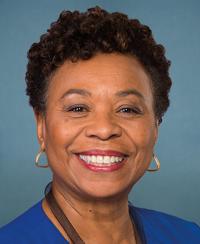
Sponsors and Cosponsors of HR 2964




Latest Bills
TRAPS Act
Bill HR 4936September 18, 2026
Apples to Apples Comparison Act of 2025
Bill HR 4093September 18, 2026
American Lending Fairness Act of 2026
Bill HR 7866September 18, 2026
Civil Investigative Demand Reform Act of 2025
Bill HR 1653September 18, 2026
American Reserve Modernization Act of 2026
Bill HR 8957September 18, 2026
Preventive Health Savings Act
Bill HR 4464September 18, 2026
PEARL Act
Bill HR 9327September 18, 2026
Medically Tailored Home-Delivered Meals Program Pilot Act
Bill HR 5439September 18, 2026
To designate the facility of the United States Postal Service located at 117 West Lovett Street in Charlotte, Michigan, as the "Francis C. Flaherty Post Office Building".
Bill HR 9570September 18, 2026
To designate the facility of the United States Postal Service located at 1019 Avenue H in Fort Madison, Iowa, as the "Martin L. Graber Post Office".
Bill HR 4707September 18, 2026