0
0
0
Sewage Overflow Community Right-to-Know Act
4/7/2025, 3:25 PM
Summary of Bill HR 2452
Bill 110 hr 2452, also known as the Sewage Overflow Community Right-to-Know Act, is a piece of legislation currently being considered by the US Congress. The main purpose of this bill is to address the issue of sewage overflows in communities across the country.
The bill requires publicly owned treatment works (POTWs) to notify the public, local governments, and the Environmental Protection Agency (EPA) of any sewage overflows that occur. This notification must be made within four hours of the overflow being discovered. Additionally, POTWs must provide annual reports to the EPA detailing the number and volume of overflows that occurred during the year.
Furthermore, the bill requires the EPA to establish a publicly accessible national database that tracks sewage overflows and provides information on the frequency, volume, and location of these incidents. This database will help communities and policymakers better understand the extent of the sewage overflow problem and take steps to address it. Overall, the Sewage Overflow Community Right-to-Know Act aims to increase transparency and accountability regarding sewage overflows, ultimately leading to improved water quality and public health in communities across the United States.
The bill requires publicly owned treatment works (POTWs) to notify the public, local governments, and the Environmental Protection Agency (EPA) of any sewage overflows that occur. This notification must be made within four hours of the overflow being discovered. Additionally, POTWs must provide annual reports to the EPA detailing the number and volume of overflows that occurred during the year.
Furthermore, the bill requires the EPA to establish a publicly accessible national database that tracks sewage overflows and provides information on the frequency, volume, and location of these incidents. This database will help communities and policymakers better understand the extent of the sewage overflow problem and take steps to address it. Overall, the Sewage Overflow Community Right-to-Know Act aims to increase transparency and accountability regarding sewage overflows, ultimately leading to improved water quality and public health in communities across the United States.
Current Status of Bill HR 2452
Bill HR 2452 is currently in the status of Bill Introduced since May 23, 2007. Bill HR 2452 was introduced during Congress 110 and was introduced to the House on May 23, 2007. Bill HR 2452's most recent activity was Read twice and referred to the Committee on Environment and Public Works. as of August 1, 2008
Bipartisan Support of Bill HR 2452
Total Number of Sponsors
1Democrat Sponsors
1Republican Sponsors
0Unaffiliated Sponsors
0Total Number of Cosponsors
0Democrat Cosponsors
0Republican Cosponsors
0Unaffiliated Cosponsors
0Policy Area and Potential Impact of Bill HR 2452
Primary Policy Focus
Environmental ProtectionComments
Sponsors and Cosponsors of HR 2452

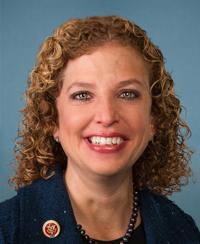



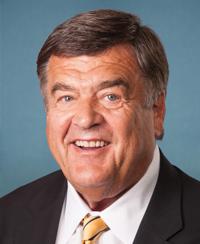
Latest Bills
TRAPS Act
Bill HR 4936September 18, 2026
Apples to Apples Comparison Act of 2025
Bill HR 4093September 18, 2026
American Lending Fairness Act of 2026
Bill HR 7866September 18, 2026
Civil Investigative Demand Reform Act of 2025
Bill HR 1653September 18, 2026
American Reserve Modernization Act of 2026
Bill HR 8957September 18, 2026
Preventive Health Savings Act
Bill HR 4464September 18, 2026
PEARL Act
Bill HR 9327September 18, 2026
Medically Tailored Home-Delivered Meals Program Pilot Act
Bill HR 5439September 18, 2026
To designate the facility of the United States Postal Service located at 117 West Lovett Street in Charlotte, Michigan, as the "Francis C. Flaherty Post Office Building".
Bill HR 9570September 18, 2026
To designate the facility of the United States Postal Service located at 1019 Avenue H in Fort Madison, Iowa, as the "Martin L. Graber Post Office".
Bill HR 4707September 18, 2026