0
0
0
A resolution recognizing January 27, 2020, as the anniversary of the first refugee and Muslim ban, calling on Congress to defund the Migrant Protection Protocols, and urging the President to restore refugee resettlement to historic norms.
2/8/2022, 11:21 PM
Congressional Summary of SRES 484
This resolution reaffirms the United States' proud history of refugee resettlement, recognizes January 27, 2020, as the anniversary of the first refugee and Muslim ban, and calls on the United States to resettle a robust number of refugees to meet global needs in FY2020 and FY2021.
Read the Full Bill
Current Status of Bill SRES 484
Bill SRES 484 is currently in the status of Bill Introduced since January 28, 2020. Bill SRES 484 was introduced during Congress 116 and was introduced to the Senate on January 28, 2020. Bill SRES 484's most recent activity was Referred to the Committee on the Judiciary. (text: CR S641) as of January 28, 2020
Bipartisan Support of Bill SRES 484
Total Number of Sponsors
1Democrat Sponsors
1Republican Sponsors
0Unaffiliated Sponsors
0Total Number of Cosponsors
16Democrat Cosponsors
15Republican Cosponsors
0Unaffiliated Cosponsors
1Policy Area and Potential Impact of Bill SRES 484
Primary Policy Focus
ImmigrationPotential Impact Areas
- Commemorative events and holidays
- Congressional oversight
- Foreign aid and international relief
- Immigration status and procedures
- International organizations and cooperation
- Presidents and presidential powers, Vice Presidents
- Refugees, asylum, displaced persons
- Religion
Alternate Title(s) of Bill SRES 484
A resolution recognizing January 27, 2020, as the anniversary of the first refugee and Muslim ban, calling on Congress to defund the Migrant Protection Protocols, and urging the President to restore refugee resettlement to historic norms.
A resolution recognizing January 27, 2020, as the anniversary of the first refugee and Muslim ban, calling on Congress to defund the Migrant Protection Protocols, and urging the President to restore refugee resettlement to historic norms.
Comments
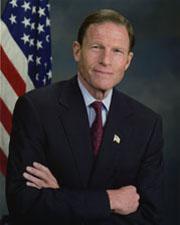
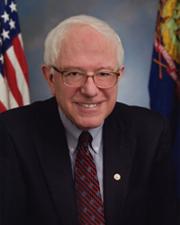
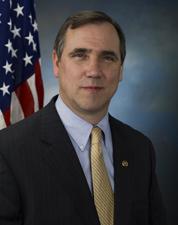
Sponsors and Cosponsors of SRES 484



Latest Bills
TRAPS Act
Bill HR 4936September 18, 2026
Apples to Apples Comparison Act of 2025
Bill HR 4093September 18, 2026
American Lending Fairness Act of 2026
Bill HR 7866September 18, 2026
Civil Investigative Demand Reform Act of 2025
Bill HR 1653September 18, 2026
American Reserve Modernization Act of 2026
Bill HR 8957September 18, 2026
Preventive Health Savings Act
Bill HR 4464September 18, 2026
PEARL Act
Bill HR 9327September 18, 2026
Medically Tailored Home-Delivered Meals Program Pilot Act
Bill HR 5439September 18, 2026
To designate the facility of the United States Postal Service located at 117 West Lovett Street in Charlotte, Michigan, as the "Francis C. Flaherty Post Office Building".
Bill HR 9570September 18, 2026
To designate the facility of the United States Postal Service located at 1019 Avenue H in Fort Madison, Iowa, as the "Martin L. Graber Post Office".
Bill HR 4707September 18, 2026