0
To amend the Cybersecurity Enhancement Act of 2014 to make improvements to the Federal Cyber Scholarship for Service Program, and for other purposes.
2/14/2025, 1:33 PM
Summary of Bill HR 494
The main goal of this bill is to make improvements to the existing program in order to better address the growing need for cybersecurity professionals in the federal government. Some of the key provisions of the bill include increasing the number of scholarships available, expanding the eligibility criteria for applicants, and enhancing the program's outreach efforts to attract a more diverse pool of candidates.
Additionally, the bill seeks to strengthen the program's partnerships with academic institutions and federal agencies in order to better align the curriculum with the needs of the federal government. This will help ensure that students are receiving the necessary training and skills to effectively contribute to cybersecurity efforts within the government. Overall, the Federal Cyber Scholarship for Service Program Improvement Act of 2021 aims to bolster the federal government's cybersecurity workforce by making enhancements to the existing scholarship program. By investing in the education and training of future cybersecurity professionals, the bill seeks to strengthen the nation's cybersecurity defenses and protect against cyber threats.
Congressional Summary of HR 494
This bill makes certain changes to the CyberCorps Scholarship for Service program, including increasing available scholarship amounts to cover up to five years of eligible tuition.
The program offers scholarships to students pursuing higher education in cybersecurity and related fields, including artificial intelligence, quantum computing, and aerospace. Under current law, the scholarship covers up to three years of tuition. Recipients must generally commit to work in cybersecurity for a government agency or institution of higher education following completion of their degree program for a period equivalent to the duration of the scholarship. If a recipient fails to fulfill the postgraduation work requirements, some or all of the scholarship must be repaid or treated as a loan.
The bill also provides statutory authority for the National Science Foundation to treat as a Federal Direct Unsubsidized Loan the full amount of any scholarship award that is treated as a loan. Under current law, Federal Direct Unsubsidized Loans are subject to certain conditions (e.g., interest rates and repayment schedules) and are eligible for student loan forgiveness under the Public Service Loan Forgiveness program.
Read the Full Bill
Current Status of Bill HR 494
Bipartisan Support of Bill HR 494
Total Number of Sponsors
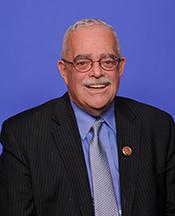
2Democrat Sponsors
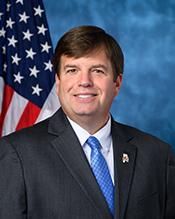
2Republican Sponsors
0Unaffiliated Sponsors
0Total Number of Cosponsors
1Democrat Cosponsors
0Republican Cosponsors
1Unaffiliated Cosponsors
0Policy Area and Potential Impact of Bill HR 494
Primary Policy Focus
Alternate Title(s) of Bill HR 494
Comments

Raegan Kane
10 months ago
I don't like this bill. How will it impact me in the long run?