0
0
0
Preventing Our Next Natural Disaster Act
2/12/2025, 9:00 AM
Summary of Bill HR 403
Bill 119 HR 403, also known as the "Pre-Disaster Mitigation Act of 2021," aims to improve efforts to prevent natural disasters before they occur. The bill focuses on enhancing predisaster mitigation strategies to reduce the impact of future disasters on communities across the United States.
Key provisions of the bill include:
1. Increasing funding for predisaster mitigation programs: The bill allocates additional resources to support initiatives that help communities prepare for and mitigate the effects of natural disasters. This includes funding for projects such as infrastructure improvements, hazard mapping, and community education programs. 2. Enhancing coordination between federal, state, and local agencies: The bill seeks to improve collaboration and communication between different levels of government to ensure a more effective response to natural disasters. This includes establishing partnerships with non-governmental organizations and private sector entities to enhance disaster preparedness efforts. 3. Promoting innovative approaches to disaster mitigation: The bill encourages the use of new technologies and strategies to enhance predisaster mitigation efforts. This includes promoting the use of green infrastructure, resilient building practices, and other innovative solutions to reduce the impact of natural disasters on communities. Overall, Bill 119 HR 403 aims to strengthen the nation's ability to prepare for and mitigate the effects of natural disasters. By investing in predisaster mitigation strategies and promoting collaboration between government agencies and other stakeholders, the bill seeks to reduce the impact of future disasters and protect communities across the United States.
Key provisions of the bill include:
1. Increasing funding for predisaster mitigation programs: The bill allocates additional resources to support initiatives that help communities prepare for and mitigate the effects of natural disasters. This includes funding for projects such as infrastructure improvements, hazard mapping, and community education programs. 2. Enhancing coordination between federal, state, and local agencies: The bill seeks to improve collaboration and communication between different levels of government to ensure a more effective response to natural disasters. This includes establishing partnerships with non-governmental organizations and private sector entities to enhance disaster preparedness efforts. 3. Promoting innovative approaches to disaster mitigation: The bill encourages the use of new technologies and strategies to enhance predisaster mitigation efforts. This includes promoting the use of green infrastructure, resilient building practices, and other innovative solutions to reduce the impact of natural disasters on communities. Overall, Bill 119 HR 403 aims to strengthen the nation's ability to prepare for and mitigate the effects of natural disasters. By investing in predisaster mitigation strategies and promoting collaboration between government agencies and other stakeholders, the bill seeks to reduce the impact of future disasters and protect communities across the United States.
Congressional Summary of HR 403
Preventing Our Next Natural Disaster Act
This bill modifies the Building Resilient Infrastructure and Communities (BRIC) grant program of the Federal Emergency Management Agency (FEMA).
Specifically, the bill
- increases the amount that may be set aside from FEMA's Disaster Relief Fund for BRIC from 6% to 15% of certain disaster grant amounts;
- authorizes FEMA to set aside 2% from the BRIC 15% set-aside for assistance with community planning and capacity building;
- provides a 90% federal cost share for BRIC grants to environmental justice communities, and increases the maximum number of people in small impoverished communities, which are also eligible for the 90% BRIC federal cost share; and
- authorizes FEMA to develop guidance regarding how to incorporate climate change into the National Risk Index, benefit-cost analyses, and improved codes, specifications, and standards to address natural hazards.
FEMA must
- prioritize BRIC assistance for high hazard risk communities, environmental justice communities, communities with low tax revenue base per capita, and communities with a low rate of code adoption and enforcement and infrastructure maintenance expenditures;
- provide community outreach on project planning and grant administration; and
- establish a central federal database to consolidate funding data collected by all local, state, and federal agencies involved in post-disaster response and pre-disaster mitigation spending and categorize the data by type of project, funding source, and hazard types using a user-friendly database and interactive map.
Read the Full Bill
Current Status of Bill HR 403
Bill HR 403 is currently in the status of Bill Introduced since January 14, 2025. Bill HR 403 was introduced during Congress 119 and was introduced to the House on January 14, 2025. Bill HR 403's most recent activity was Referred to the Subcommittee on Economic Development, Public Buildings, and Emergency Management. as of January 15, 2025
Bipartisan Support of Bill HR 403
Total Number of Sponsors
5Democrat Sponsors
5Republican Sponsors
0Unaffiliated Sponsors
0Total Number of Cosponsors
1Democrat Cosponsors
1Republican Cosponsors
0Unaffiliated Cosponsors
0Policy Area and Potential Impact of Bill HR 403
Primary Policy Focus
Alternate Title(s) of Bill HR 403
To enhance predisaster mitigation to prevent future natural disasters, and for other purposes.
To enhance predisaster mitigation to prevent future natural disasters, and for other purposes.
Comments
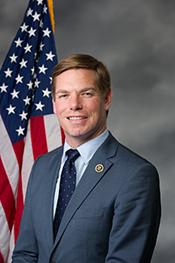
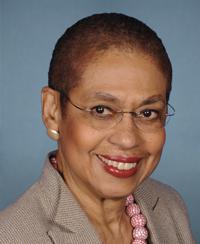
Sponsors and Cosponsors of HR 403

Latest Bills
Providing for congressional disapproval under chapter 8 of title 5, United States Code, of the rule submitted by the Bureau of Land Management relating to "Central Yukon Record of Decision and Approved Resource Management Plan".
Bill HJRES 106December 12, 2025
Providing for congressional disapproval under chapter 8 of title 5, United States Code, of the rule submitted by the Bureau of Land Management relating to "North Dakota Field Office Record of Decision and Approved Resource Management Plan".
Bill HJRES 105December 12, 2025
Holocaust Expropriated Art Recovery Act of 2025
Bill S 1884December 12, 2025
Providing for congressional disapproval under chapter 8 of title 5, United States Code, of the rule submitted by the Bureau of Land Management relating to "Miles City Field Office Record of Decision and Approved Resource Management Plan Amendment".
Bill HJRES 104December 12, 2025
Enduring Justice for Victims of Trafficking Act
Bill S 2584December 12, 2025
National Defense Authorization Act for Fiscal Year 2026
Bill S 1071December 12, 2025
Technical Corrections to the Northwestern New Mexico Rural Water Projects Act, Taos Pueblo Indian Water Rights Settlement Act, and Aamodt Litigation Settlement Act
Bill S 640December 12, 2025
Department of Defense Appropriations Act, 2026
Bill HR 4016December 12, 2025
End the Fed’s Big Bank Bailout Act
Bill S 2113December 12, 2025
Federal Reserve Transparency Act of 2025
Bill S 2327December 12, 2025