0
0

To implement a 5-year pilot program establishing a performance-based pay structure for certain Federal employees in order to enhance productivity, accountability, and employee satisfaction in public service.

1/8/2025, 1:40 PM

Summary of Bill HR 201

Bill 119 HR 201, also known as the Performance-Based Pay Pilot Program Act, aims to create a 5-year pilot program that will establish a performance-based pay structure for certain Federal employees. The goal of this program is to improve productivity, accountability, and employee satisfaction within the public service sector.

Under this bill, participating Federal employees will be evaluated based on their performance and productivity levels, rather than receiving standard pay raises or promotions based solely on tenure. This shift towards a performance-based pay structure is intended to incentivize employees to work harder and more efficiently, ultimately leading to better outcomes for the public.

The pilot program will be carefully monitored and evaluated over the course of 5 years to determine its effectiveness in achieving its goals. If successful, the program may be expanded to include more Federal employees in the future. Overall, Bill 119 HR 201 represents a potential shift in how Federal employees are compensated, with a focus on rewarding high performance and improving overall efficiency within the public service sector.

Congressional Summary of HR 201

Federal Employee Performance and Accountability Act of 2025

This bill establishes a pilot program making pay increases for certain federal employees contingent on job performance.

Under the bill, each executive agency must identify employees to participate in the five-year pilot program from among employees classified at or above the GS-11 level and holding positions with clearly measurable performance criteria. Each agency must select 1%-10% of its employees to participate in the program. An agency may opt out if participation potentially risks national security or public safety.

The bill provides that a participating agency

  • must increase an employee's pay by up to 10% if the employee significantly exceeded established performance metrics during the preceding year, 
  • may not increase the pay of an employee who met established performance metrics during the preceding year, and 
  • must reduce by 10% the pay of an employee who rates below expectations for the preceding year.

Participating employees are ineligible for annual or locality-based pay increases authorized under current law during the pilot.

The bill also requires agencies to establish performance plans and evaluation systems for participating employees. Agencies must also provide training and resources to help participating employees understand and meet performance requirements.

Participating agencies must report cost savings, productivity metrics, and other information to the Office of Management and Budget (OMB) every year. OMB and the Government Accountability Office must jointly report on the final outcome of the program.
 

Current Status of Bill HR 201

Bill HR 201 is currently in the status of Bill Introduced since January 3, 2025. Bill HR 201 was introduced during Congress 119 and was introduced to the House on January 3, 2025.  Bill HR 201's most recent activity was Referred to the House Committee on Oversight and Government Reform. as of January 3, 2025

Bipartisan Support of Bill HR 201

Total Number of Sponsors
5
Democrat Sponsors
0
Republican Sponsors
5
Unaffiliated Sponsors
0
Total Number of Cosponsors
0
Democrat Cosponsors
0
Republican Cosponsors
0
Unaffiliated Cosponsors
0

Policy Area and Potential Impact of Bill HR 201

Primary Policy Focus

Alternate Title(s) of Bill HR 201

To implement a 5-year pilot program establishing a performance-based pay structure for certain Federal employees in order to enhance productivity, accountability, and employee satisfaction in public service.

Comments

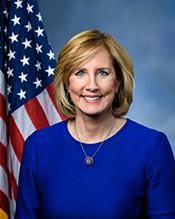
Sponsors and Cosponsors of HR 201

Latest Bills

Providing amounts for the expenses of the Committee on Ethics in the One Hundred Nineteenth Congress.
Bill HRES 131December 12, 2025
Providing for congressional disapproval under chapter 8 of title 5, United States Code, of the rule submitted by the Bureau of Land Management relating to "Central Yukon Record of Decision and Approved Resource Management Plan".
Bill HJRES 106December 12, 2025
Expressing the sense of the House of Representatives in condemning the Government of the People's Republic of China for its harassment and efforts to intimidate American citizens and other individuals on United States soil with the goal of suppressing speech and narratives the People's Republic of China finds unwelcome.
Bill HRES 130December 12, 2025
Providing for congressional disapproval under chapter 8 of title 5, United States Code, of the rule submitted by the Bureau of Land Management relating to "North Dakota Field Office Record of Decision and Approved Resource Management Plan".
Bill HJRES 105December 12, 2025
Providing for congressional disapproval under chapter 8 of title 5, United States Code, of the rule submitted by the Bureau of Land Management relating to "Miles City Field Office Record of Decision and Approved Resource Management Plan Amendment".
Bill HJRES 104December 12, 2025
Providing amounts for the expenses of the Select Committee on the Strategic Competition Between the United States and the Chinese Communist Party in the One Hundred Nineteenth Congress.
Bill HRES 104December 12, 2025
Critical Access for Veterans Care Act
Bill S 1868December 12, 2025
OATH Act of 2025
Bill S 1665December 12, 2025
A bill to extend the authority for modifications to the Second Division Memorial in the District of Columbia.
Bill S 1353December 12, 2025
Saving Our Veterans Lives Act of 2025
Bill S 926December 12, 2025