0
0
0
A bill to require Senate approval before the United States assumes any obligation under a WHO pandemic agreement and to suspend funding for the WHO until such agreement is ratified by the Senate.
8/2/2024, 10:56 AM
Summary of Bill S 4937
Bill 118 s 4937, also known as the "WHO Pandemic Agreement Approval Act," is a proposed piece of legislation that aims to require Senate approval before the United States can enter into any obligations under a World Health Organization (WHO) pandemic agreement. The bill also seeks to suspend funding for the WHO until such an agreement is ratified by the Senate.
The main purpose of this bill is to ensure that the United States has a say in any pandemic agreements made by the WHO, as well as to hold the organization accountable for its actions. By requiring Senate approval before the US can assume any obligations under a WHO pandemic agreement, the bill aims to give Congress a voice in decisions that could have significant implications for public health and national security.
Additionally, by suspending funding for the WHO until a pandemic agreement is ratified by the Senate, the bill aims to put pressure on the organization to be transparent and accountable in its actions. This provision is intended to ensure that the WHO is held to a high standard and that US taxpayer dollars are being used effectively and responsibly. Overall, Bill 118 s 4937 is a significant piece of legislation that seeks to protect US interests and ensure that the WHO is held accountable for its actions in addressing global health crises. It will be interesting to see how this bill progresses through Congress and what impact it may have on US involvement in international pandemic response efforts.
The main purpose of this bill is to ensure that the United States has a say in any pandemic agreements made by the WHO, as well as to hold the organization accountable for its actions. By requiring Senate approval before the US can assume any obligations under a WHO pandemic agreement, the bill aims to give Congress a voice in decisions that could have significant implications for public health and national security.
Additionally, by suspending funding for the WHO until a pandemic agreement is ratified by the Senate, the bill aims to put pressure on the organization to be transparent and accountable in its actions. This provision is intended to ensure that the WHO is held to a high standard and that US taxpayer dollars are being used effectively and responsibly. Overall, Bill 118 s 4937 is a significant piece of legislation that seeks to protect US interests and ensure that the WHO is held accountable for its actions in addressing global health crises. It will be interesting to see how this bill progresses through Congress and what impact it may have on US involvement in international pandemic response efforts.
Current Status of Bill S 4937
Bill S 4937 is currently in the status of Bill Introduced since August 1, 2024. Bill S 4937 was introduced during Congress 118 and was introduced to the Senate on August 1, 2024. Bill S 4937's most recent activity was Read twice and referred to the Committee on Foreign Relations. as of August 1, 2024
Bipartisan Support of Bill S 4937
Total Number of Sponsors
1Democrat Sponsors
0Republican Sponsors
1Unaffiliated Sponsors
0Total Number of Cosponsors
24Democrat Cosponsors
0Republican Cosponsors
24Unaffiliated Cosponsors
0Policy Area and Potential Impact of Bill S 4937
Primary Policy Focus
Alternate Title(s) of Bill S 4937
A bill to require Senate approval before the United States assumes any obligation under a WHO pandemic agreement and to suspend funding for the WHO until such agreement is ratified by the Senate.
A bill to require Senate approval before the United States assumes any obligation under a WHO pandemic agreement and to suspend funding for the WHO until such agreement is ratified by the Senate.
Comments
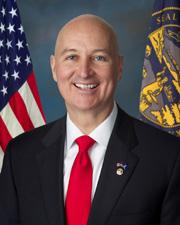
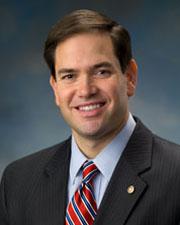
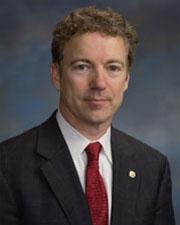
Sponsors and Cosponsors of S 4937



Latest Bills
Providing amounts for the expenses of the Committee on Ethics in the One Hundred Nineteenth Congress.
Bill HRES 131December 12, 2025
Providing for congressional disapproval under chapter 8 of title 5, United States Code, of the rule submitted by the Bureau of Land Management relating to "Central Yukon Record of Decision and Approved Resource Management Plan".
Bill HJRES 106December 12, 2025
Expressing the sense of the House of Representatives in condemning the Government of the People's Republic of China for its harassment and efforts to intimidate American citizens and other individuals on United States soil with the goal of suppressing speech and narratives the People's Republic of China finds unwelcome.
Bill HRES 130December 12, 2025
Providing for congressional disapproval under chapter 8 of title 5, United States Code, of the rule submitted by the Bureau of Land Management relating to "North Dakota Field Office Record of Decision and Approved Resource Management Plan".
Bill HJRES 105December 12, 2025
Providing for congressional disapproval under chapter 8 of title 5, United States Code, of the rule submitted by the Bureau of Land Management relating to "Miles City Field Office Record of Decision and Approved Resource Management Plan Amendment".
Bill HJRES 104December 12, 2025
Providing amounts for the expenses of the Select Committee on the Strategic Competition Between the United States and the Chinese Communist Party in the One Hundred Nineteenth Congress.
Bill HRES 104December 12, 2025
Critical Access for Veterans Care Act
Bill S 1868December 12, 2025
OATH Act of 2025
Bill S 1665December 12, 2025
A bill to extend the authority for modifications to the Second Division Memorial in the District of Columbia.
Bill S 1353December 12, 2025
Saving Our Veterans Lives Act of 2025
Bill S 926December 12, 2025