0
0
0
Expressing the sense of the House of Representatives that the Justices of the Supreme Court should make themselves subject to the existing and operative ethics guidelines set out in the Code of Conduct for United States Judges, or should promulgate their own code of conduct.
12/15/2023, 3:51 PM
Summary of Bill HRES 402
Bill 118 HRES 402, titled "Expressing the sense of the House of Representatives that the Justices of the Supreme Court should make themselves subject to the existing and operative ethics guidelines set out in the Code of Conduct for United States Judges, or should promulgate their own code of conduct," is a resolution introduced in the House of Representatives.
The purpose of this resolution is to urge the Justices of the Supreme Court to adhere to the ethics guidelines outlined in the Code of Conduct for United States Judges. The resolution emphasizes the importance of transparency and accountability in the judicial branch and calls on the Justices to either follow the existing guidelines or establish their own code of conduct.
The resolution does not propose any specific legislative changes or penalties for non-compliance. Instead, it serves as a statement of the House of Representatives' position on the issue of judicial ethics and aims to encourage the Justices to uphold high ethical standards in their decision-making and conduct. Overall, Bill 118 HRES 402 seeks to promote integrity and trust in the Supreme Court by urging the Justices to align themselves with established ethics guidelines or create their own code of conduct to guide their behavior.
The purpose of this resolution is to urge the Justices of the Supreme Court to adhere to the ethics guidelines outlined in the Code of Conduct for United States Judges. The resolution emphasizes the importance of transparency and accountability in the judicial branch and calls on the Justices to either follow the existing guidelines or establish their own code of conduct.
The resolution does not propose any specific legislative changes or penalties for non-compliance. Instead, it serves as a statement of the House of Representatives' position on the issue of judicial ethics and aims to encourage the Justices to uphold high ethical standards in their decision-making and conduct. Overall, Bill 118 HRES 402 seeks to promote integrity and trust in the Supreme Court by urging the Justices to align themselves with established ethics guidelines or create their own code of conduct to guide their behavior.
Congressional Summary of HRES 402
This resolution expresses the sense of the House of Representatives that the Justices of the Supreme Court should subject themselves to the ethics guidelines set out in the Code of Conduct for U.S. Judges or promulgate their own code of conduct.
Read the Full Bill
Current Status of Bill HRES 402
Bill HRES 402 is currently in the status of Bill Introduced since May 15, 2023. Bill HRES 402 was introduced during Congress 118 and was introduced to the House on May 15, 2023. Bill HRES 402's most recent activity was Referred to the House Committee on the Judiciary. as of May 15, 2023
Bipartisan Support of Bill HRES 402
Total Number of Sponsors
1Democrat Sponsors
1Republican Sponsors
0Unaffiliated Sponsors
0Total Number of Cosponsors
0Democrat Cosponsors
0Republican Cosponsors
0Unaffiliated Cosponsors
0Policy Area and Potential Impact of Bill HRES 402
Primary Policy Focus
LawAlternate Title(s) of Bill HRES 402
Expressing the sense of the House of Representatives that the Justices of the Supreme Court should make themselves subject to the existing and operative ethics guidelines set out in the Code of Conduct for United States Judges, or should promulgate their own code of conduct.
Expressing the sense of the House of Representatives that the Justices of the Supreme Court should make themselves subject to the existing and operative ethics guidelines set out in the Code of Conduct for United States Judges, or should promulgate their own code of conduct.
Comments
Sponsors and Cosponsors of HRES 402
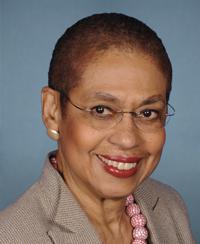
Latest Bills
National Defense Authorization Act for Fiscal Year 2026
Bill S 1071December 13, 2025
Enduring Justice for Victims of Trafficking Act
Bill S 2584December 13, 2025
Technical Corrections to the Northwestern New Mexico Rural Water Projects Act, Taos Pueblo Indian Water Rights Settlement Act, and Aamodt Litigation Settlement Act
Bill S 640December 13, 2025
Incentivizing New Ventures and Economic Strength Through Capital Formation Act of 2025
Bill HR 3383December 13, 2025
BOWOW Act of 2025
Bill HR 4638December 13, 2025
Northern Mariana Islands Small Business Access Act
Bill HR 3496December 13, 2025
Wildfire Risk Evaluation Act
Bill HR 3924December 13, 2025
Energy Choice Act
Bill HR 3699December 13, 2025
ESTUARIES Act
Bill HR 3962December 13, 2025
Improving Interagency Coordination for Pipeline Reviews Act
Bill HR 3668December 13, 2025