0
0
0
Ending Normal Trade Relations with China Act of 2023
12/20/2024, 9:05 AM
Summary of Bill HR 4673
Bill 118 hr 4673, also known as the Ending Normal Trade Relations with China Act of 2023, is a piece of legislation introduced in the US Congress. The main purpose of this bill is to terminate the normal trade relations status that the United States has with China.
If passed, this bill would have significant implications for the economic relationship between the two countries. Normal trade relations status allows for lower tariffs and other trade barriers between the US and China, making it easier for businesses in both countries to engage in trade. By ending this status, the US would be able to impose higher tariffs and other restrictions on Chinese imports.
Supporters of the bill argue that China engages in unfair trade practices, such as intellectual property theft and currency manipulation, that harm American businesses and workers. They believe that ending normal trade relations with China would help level the playing field and protect American interests. Opponents of the bill, on the other hand, argue that it could lead to a trade war between the US and China, which could have negative consequences for both countries' economies. They also point out that China is a major trading partner for the US, and ending normal trade relations could disrupt supply chains and increase prices for American consumers. Overall, the Ending Normal Trade Relations with China Act of 2023 is a controversial piece of legislation that has the potential to significantly impact the economic relationship between the US and China. It is currently being debated in Congress, and its outcome remains uncertain.
If passed, this bill would have significant implications for the economic relationship between the two countries. Normal trade relations status allows for lower tariffs and other trade barriers between the US and China, making it easier for businesses in both countries to engage in trade. By ending this status, the US would be able to impose higher tariffs and other restrictions on Chinese imports.
Supporters of the bill argue that China engages in unfair trade practices, such as intellectual property theft and currency manipulation, that harm American businesses and workers. They believe that ending normal trade relations with China would help level the playing field and protect American interests. Opponents of the bill, on the other hand, argue that it could lead to a trade war between the US and China, which could have negative consequences for both countries' economies. They also point out that China is a major trading partner for the US, and ending normal trade relations could disrupt supply chains and increase prices for American consumers. Overall, the Ending Normal Trade Relations with China Act of 2023 is a controversial piece of legislation that has the potential to significantly impact the economic relationship between the US and China. It is currently being debated in Congress, and its outcome remains uncertain.
Congressional Summary of HR 4673
Ending Normal Trade Relations with China Act of 2023
This bill withdraws normal trade relations treatment (i.e., nondiscriminatory treatment) from China.
Further, the bill (1) sets the applicable duty rates on U.S. imports from China as the rates listed in column 2 of the U.S. Harmonized Tariff Schedule, and (2) authorizes the President to further increase the applicable duty rates.
These provisions become effective two years after the bill's enactment.
Current Status of Bill HR 4673
Bill HR 4673 is currently in the status of Bill Introduced since July 17, 2023. Bill HR 4673 was introduced during Congress 118 and was introduced to the House on July 17, 2023. Bill HR 4673's most recent activity was Referred to the Subcommittee on Trade. as of December 17, 2024
Bipartisan Support of Bill HR 4673
Total Number of Sponsors
2Democrat Sponsors
0Republican Sponsors
2Unaffiliated Sponsors
0Total Number of Cosponsors
0Democrat Cosponsors
0Republican Cosponsors
0Unaffiliated Cosponsors
0Policy Area and Potential Impact of Bill HR 4673
Primary Policy Focus
Foreign Trade and International FinanceComments
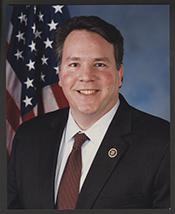
Sponsors and Cosponsors of HR 4673

Latest Bills
Providing amounts for the expenses of the Committee on Ethics in the One Hundred Nineteenth Congress.
Bill HRES 131December 12, 2025
Providing for congressional disapproval under chapter 8 of title 5, United States Code, of the rule submitted by the Bureau of Land Management relating to "Central Yukon Record of Decision and Approved Resource Management Plan".
Bill HJRES 106December 12, 2025
Expressing the sense of the House of Representatives in condemning the Government of the People's Republic of China for its harassment and efforts to intimidate American citizens and other individuals on United States soil with the goal of suppressing speech and narratives the People's Republic of China finds unwelcome.
Bill HRES 130December 12, 2025
Providing for congressional disapproval under chapter 8 of title 5, United States Code, of the rule submitted by the Bureau of Land Management relating to "North Dakota Field Office Record of Decision and Approved Resource Management Plan".
Bill HJRES 105December 12, 2025
Providing for congressional disapproval under chapter 8 of title 5, United States Code, of the rule submitted by the Bureau of Land Management relating to "Miles City Field Office Record of Decision and Approved Resource Management Plan Amendment".
Bill HJRES 104December 12, 2025
Providing amounts for the expenses of the Select Committee on the Strategic Competition Between the United States and the Chinese Communist Party in the One Hundred Nineteenth Congress.
Bill HRES 104December 12, 2025
Critical Access for Veterans Care Act
Bill S 1868December 12, 2025
OATH Act of 2025
Bill S 1665December 12, 2025
A bill to extend the authority for modifications to the Second Division Memorial in the District of Columbia.
Bill S 1353December 12, 2025
Saving Our Veterans Lives Act of 2025
Bill S 926December 12, 2025
Ending Normal Trade Relations with China Act of 2023
Bill S 906December 15, 2023